

Hey there! As a gas hose supplier, I often get asked this question: "Which is better, a flexible or rigid gas hose?" Well, let's dive right into it and break down the pros and cons of each to help you make an informed decision.
Flexible Gas Hoses
Flexible gas hoses are super popular, and it's easy to see why. First off, they're incredibly versatile. You can bend them around corners, maneuver them into tight spaces, and adjust their position as needed. This flexibility makes them a great choice for all sorts of applications, whether you're using them in a residential kitchen, a commercial cooking setup, or even for outdoor grilling.
One of the biggest advantages of flexible gas hoses is their ease of installation. You don't need to be a professional plumber to get them up and running. With a few basic tools, you can connect the hose to your gas appliance and the gas source in no time. This can save you both time and money on installation costs.
Another plus is that flexible gas hoses are generally more resistant to vibrations and movements. In a busy kitchen, for example, appliances can vibrate as they operate. A flexible hose can absorb these vibrations without cracking or leaking, which helps to ensure a safe and reliable gas supply.
We offer a great range of flexible gas hoses, like our Natural LPG Gas Hose. It's designed to handle natural gas and LPG with ease, and its flexible nature makes it suitable for a variety of setups.
However, flexible gas hoses aren't without their drawbacks. Over time, the constant bending and flexing can cause wear and tear on the hose material. This can lead to the development of small cracks or leaks, which can be a safety hazard. It's important to regularly inspect your flexible gas hose for any signs of damage and replace it if necessary.
Rigid Gas Hoses
On the other hand, rigid gas hoses have their own set of advantages. One of the main benefits is their durability. Rigid hoses are typically made from materials like metal, which are strong and resistant to damage. They can withstand high pressures and are less likely to develop leaks or cracks compared to flexible hoses.
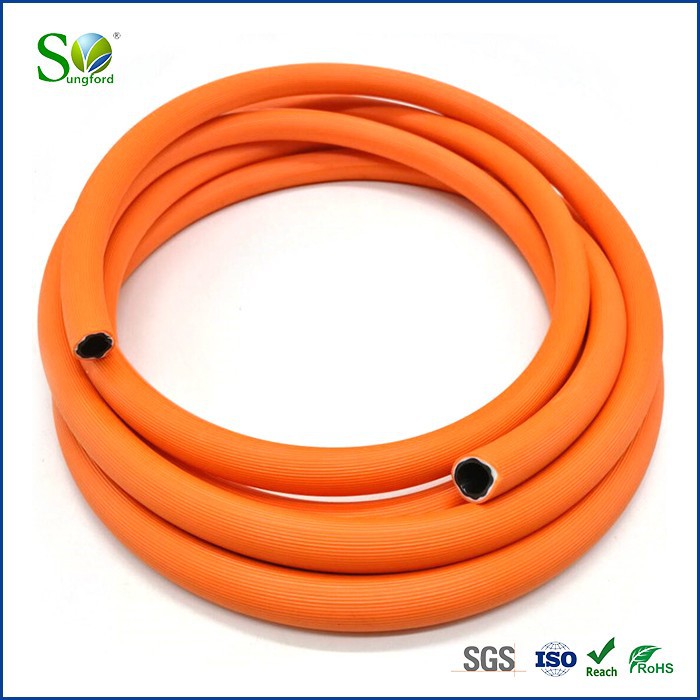

Rigid gas hoses also offer better protection against physical damage. They're less likely to be accidentally kinked or crushed, which can happen with flexible hoses. This makes them a good choice for areas where there's a risk of the hose being bumped or knocked around.
In terms of safety, rigid gas hoses are often considered more reliable in the long run. Since they're less prone to wear and tear, they can provide a more consistent and secure gas supply. This is especially important in commercial settings where safety regulations are strict.
Our PVC Gas Hose is a great example of a rigid gas hose. It's made from high-quality PVC material that's designed to last. It's suitable for a variety of gas applications and offers excellent resistance to corrosion and chemicals.
But rigid gas hoses do have some limitations. The biggest one is their lack of flexibility. Installing a rigid gas hose can be more challenging, especially in tight or awkward spaces. You may need to hire a professional plumber to ensure that the hose is installed correctly. This can add to the overall cost of the installation.
Another issue is that rigid gas hoses are more difficult to modify or reposition once they're installed. If you need to make changes to your gas setup, you may have to replace the entire hose, which can be expensive and time-consuming.
Which One Should You Choose?
So, which is better, a flexible or rigid gas hose? Well, it really depends on your specific needs and circumstances.
If you're looking for an easy-to-install, versatile option that can be used in a variety of settings, a flexible gas hose is probably the way to go. It's a great choice for residential applications, small businesses, and outdoor use. Just make sure to inspect it regularly for any signs of damage.
On the other hand, if you need a durable, long-lasting solution that offers maximum safety and reliability, a rigid gas hose is a better option. It's ideal for commercial kitchens, industrial settings, and areas where there's a high risk of physical damage.
As a gas hose supplier, I'm here to help you make the right choice. If you're not sure which type of hose is best for your situation, feel free to reach out to me. I can provide you with more information and advice based on your specific requirements.
Contact Us for Your Gas Hose Needs
Whether you're in the market for a flexible or rigid gas hose, we've got you covered. We offer a wide range of high-quality gas hoses at competitive prices. Our team of experts is always on hand to answer any questions you may have and help you find the perfect hose for your needs.
If you're interested in purchasing a gas hose, or if you just want to learn more about our products, don't hesitate to get in touch. We're here to make the process as easy and hassle-free as possible.
So, what are you waiting for? Take the first step towards a safe and reliable gas supply by contacting us today.
References
- Industry standards and guidelines for gas hoses
- Manufacturer specifications for flexible and rigid gas hoses
- Safety regulations for gas installations in residential and commercial settings