

As a trusted supplier of high - quality Hose Clampls, I often receive inquiries from customers about the suitability of our products for various applications, especially in fuel systems. This blog post aims to provide a comprehensive answer to the question: Can hose clamps be used in fuel systems?
Understanding Fuel Systems
Before delving into the use of hose clamps in fuel systems, it's essential to understand the nature of these systems. A fuel system in an automotive or other machinery context is responsible for storing, delivering, and metering fuel to the engine. It consists of components such as fuel tanks, fuel lines, fuel pumps, and injectors. The fuel used can be gasoline, diesel, ethanol blends, or other alternative fuels.
These systems operate under specific conditions, including varying pressures, temperatures, and exposure to different chemicals. For instance, in a gasoline engine, the fuel pressure in the fuel rail can range from 30 to 80 psi (pounds per square inch), depending on the engine design. Diesel engines typically have even higher fuel pressures, sometimes exceeding 2000 psi.
Requirements for Hose Clamps in Fuel Systems
When considering using hose clamps in fuel systems, several key requirements must be met:
1. Chemical Resistance
Fuels and their additives can be corrosive to certain materials. Gasoline, for example, contains hydrocarbons and additives that can break down some types of rubber and metal over time. Ethanol - blended fuels are even more aggressive as ethanol can absorb water, which can lead to corrosion in the fuel system. Therefore, hose clamps used in fuel systems must be made of materials that are resistant to these chemicals. Stainless steel is a popular choice due to its excellent corrosion resistance.
2. Pressure Resistance
As mentioned earlier, fuel systems operate under pressure. The hose clamps must be able to withstand the pressure exerted by the fuel without loosening or failing. A clamp that fails to maintain a tight seal can lead to fuel leaks, which are not only a waste of fuel but also a significant safety hazard. High - quality hose clamps are designed with a strong clamping force to ensure a secure connection even under high - pressure conditions.
3. Temperature Resistance
Fuel systems can experience a wide range of temperatures. In cold weather, the fuel may thicken, and the components may contract. In hot weather, the fuel can expand, and the temperature under the hood of a vehicle can rise significantly. Hose clamps need to maintain their integrity and clamping force across this temperature range. Some materials may become brittle in cold temperatures or lose their strength in high temperatures, so choosing the right material is crucial.
Types of Hose Clamps Suitable for Fuel Systems
1. Worm Gear Clamps
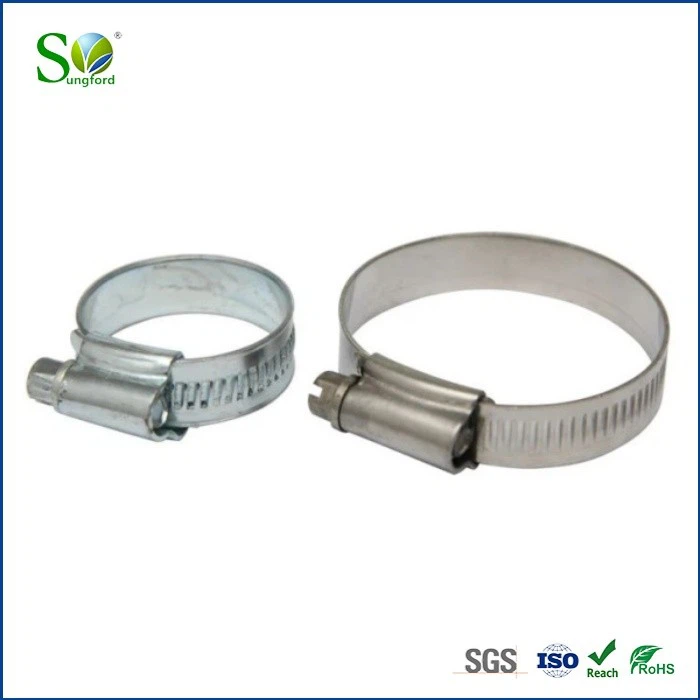
Worm gear clamps are one of the most commonly used types of hose clamps in fuel systems. They consist of a band of metal with a worm gear mechanism that allows for easy adjustment of the clamping force. These clamps can be tightened to a specific torque, ensuring a consistent and reliable seal. They are available in various sizes and materials, with stainless steel being a popular choice for fuel system applications due to its chemical and corrosion resistance.
2. Spring Clamps
Spring clamps are another option for fuel systems. They are designed with a spring - loaded mechanism that provides a constant clamping force. These clamps are easy to install and remove, making them convenient for maintenance and repair work. However, they may not be suitable for high - pressure applications as their clamping force may be limited compared to worm gear clamps.
3. T - Bolt Clamps
T - bolt clamps are known for their high clamping force and are often used in applications where a strong and reliable seal is required. They are commonly used in heavy - duty fuel systems, such as those found in large trucks and industrial equipment. The T - bolt design allows for even distribution of the clamping force around the circumference of the hose, reducing the risk of leaks.
Installation Considerations
Proper installation of hose clamps in fuel systems is crucial for their effectiveness. Here are some important installation tips:
1. Clean the Surfaces
Before installing the hose clamp, make sure the surfaces of the hose and the fitting are clean and free of debris. Any dirt or contaminants can prevent a proper seal and lead to leaks.
2. Position the Clamp Correctly
The hose clamp should be positioned at the correct location on the hose. It should be centered over the fitting to ensure an even distribution of the clamping force. Avoid over - tightening the clamp, as this can damage the hose and reduce its lifespan.
3. Use the Right Tools
Use the appropriate tools for tightening the hose clamp. For worm gear clamps, a screwdriver or a specialized clamp - tightening tool can be used. Make sure to tighten the clamp to the recommended torque specification to ensure a proper seal.
Safety and Compliance
When using hose clamps in fuel systems, safety should be the top priority. Fuel leaks can pose a serious fire hazard, so it's essential to ensure that the hose clamps meet all relevant safety standards. In many countries, there are regulations regarding the use of components in fuel systems, and it's important to comply with these regulations.
Benefits of Using Our Hose Clamps in Fuel Systems
As a Hose Clampls supplier, we take pride in offering products that meet the highest standards for fuel system applications. Our hose clamps are made of high - quality materials, such as stainless steel, which provide excellent chemical, pressure, and temperature resistance.
We also offer a wide range of sizes and types of hose clamps to suit different fuel system requirements. Whether you need a worm gear clamp for a small - scale automotive application or a T - bolt clamp for a heavy - duty industrial fuel system, we have the right product for you.
In addition to our high - quality products, we provide excellent customer service. Our team of experts is available to answer your questions and provide technical support to ensure that you choose the right hose clamps for your fuel system.
Complementary Products: Hose Couplings
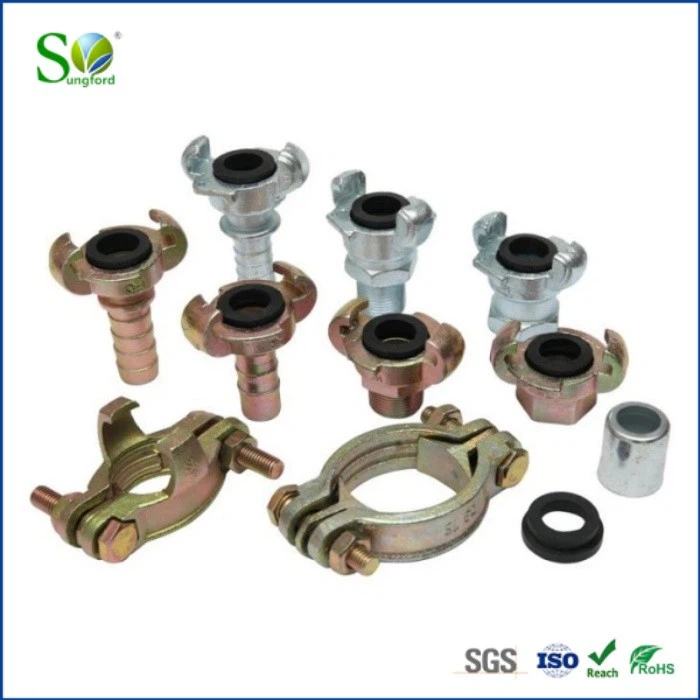
In addition to hose clamps, Hose Couplings are also essential components in fuel systems. Hose couplings are used to connect hoses to different components in the fuel system, such as fuel tanks, pumps, and injectors. They come in various types, including threaded couplings, quick - connect couplings, and flanged couplings.
Our range of hose couplings is designed to work seamlessly with our hose clamps, providing a complete solution for your fuel system needs. Like our hose clamps, our hose couplings are made of high - quality materials and are designed to meet the strict requirements of fuel systems.
Conclusion
In conclusion, hose clamps can be used in fuel systems as long as they meet the necessary requirements for chemical resistance, pressure resistance, and temperature resistance. By choosing the right type of hose clamp, installing it correctly, and ensuring compliance with safety standards, you can ensure a reliable and safe fuel system.
If you are in the market for high - quality hose clamps or Hose Couplings for your fuel system, we invite you to contact us for a detailed discussion about your specific needs. Our team is ready to assist you in selecting the most suitable products and providing you with the best solutions. Let's work together to ensure the efficiency and safety of your fuel systems.
References
- Automotive Fuel Systems Handbook, SAE International
- ASTM International Standards for Fuel System Components
- Engineering Manuals of Leading Automotive Manufacturers