

As a seasoned supplier of hose fittings, I often get asked whether there are any special tools required for installing hose fittings. The answer isn't a simple yes or no; it depends on several factors, including the type of hose fittings, the hose material, and the application. In this blog post, I'll delve into the different types of hose fittings and the tools that might be needed for their installation.
Types of Hose Fittings and Associated Installation Tools
1. Hose Clamps
Hose clamps are one of the most common types of hose fittings used to secure hoses onto fittings or nipples. They come in various designs, such as worm gear clamps, constant tension clamps, and spring clamps.

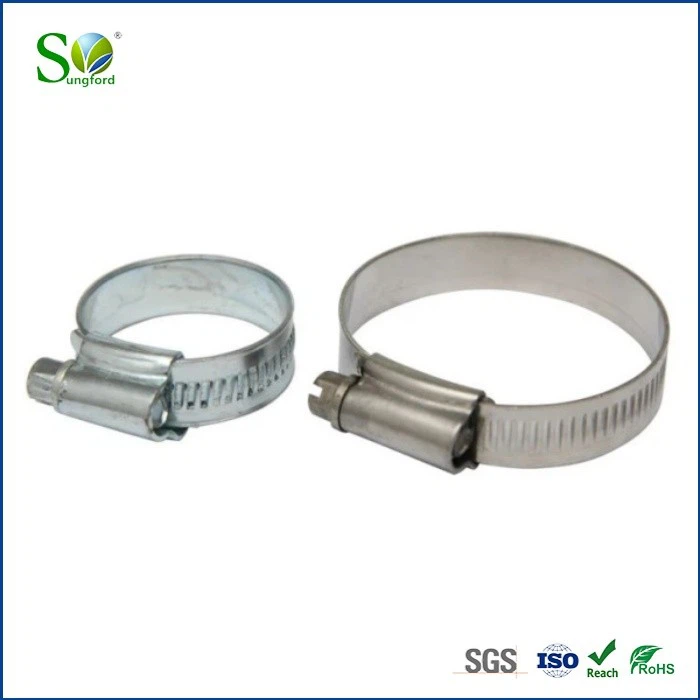
- Worm Gear Clamps: These are the most widely used type of hose clamps. To install worm gear clamps, you'll need a screwdriver or a socket wrench, depending on the size of the clamp. A flat - head or Phillips - head screwdriver can be used for smaller clamps, while a socket wrench is more suitable for larger ones. You simply insert the tool into the screw mechanism of the clamp and turn it to tighten the clamp around the hose. Hose Clampls are available in different sizes and materials, and the right tool selection can ensure a proper and secure installation.
- Constant Tension Clamps: These clamps maintain a consistent level of pressure on the hose. Installation of constant tension clamps usually requires a special tool designed specifically for that type of clamp. This tool is used to open and close the clamp around the hose. Some constant tension clamps are designed to be installed by hand, but for a more precise and reliable installation, using the appropriate tool is recommended.
- Spring Clamps: Spring clamps are easy to install and often require no additional tools. You can simply squeeze the clamp open by hand and place it around the hose and fitting. Then, release the pressure, and the clamp will hold the hose in place. However, for larger or more rigid spring clamps, a pair of pliers might be helpful to open the clamp more easily.
2. Hose Couplings
Hose couplings are used to connect two hoses or a hose to a fitting. There are different types of hose couplings, such as threaded couplings, quick - connect couplings, and barbed couplings.
- Threaded Couplings: Installing threaded couplings typically requires a wrench. A pipe wrench or an adjustable wrench can be used to tighten the threaded coupling onto the hose or fitting. The size of the wrench depends on the size of the coupling. It's important to ensure that the threads are properly aligned before tightening to prevent leaks. Hose Couplings with threaded connections are commonly used in plumbing and industrial applications, and using the right wrench can make the installation process more efficient.
- Quick - Connect Couplings: Quick - connect couplings are designed for easy and fast installation. In most cases, these couplings can be installed by hand without the need for special tools. You simply push the coupling onto the hose or fitting until it clicks into place. However, some quick - connect couplings may require a small amount of force, and a pair of pliers can be used to assist with the installation if necessary.
- Barbed Couplings: Barbed couplings are inserted into the end of the hose. To install barbed couplings, you may need a lubricant to ease the insertion process. Additionally, a pair of pliers can be used to hold the coupling in place while you push the hose onto the barbs. It's important to ensure that the hose is pushed far enough onto the barbs to create a secure seal.
Other Factors Affecting Tool Requirements
1. Hose Material
The material of the hose also plays a role in determining the tools needed for installation. For example, if you're working with a rigid hose, such as a metal - reinforced hose, you may need more force to install the fittings. This could require the use of more powerful tools, such as a large - sized wrench or a hydraulic press in some industrial applications. On the other hand, a flexible rubber hose may be easier to work with and may require less force and simpler tools for installation.
2. Application
The application of the hose and fittings can also influence the tool requirements. In a high - pressure application, such as in a hydraulic system, it's crucial to ensure a tight and leak - free connection. This may require the use of torque wrenches to achieve the correct level of tightness on threaded fittings. In a low - pressure application, such as a garden hose connection, simpler tools or even hand - installation may be sufficient.
Importance of Using the Right Tools
Using the right tools for installing hose fittings is essential for several reasons. Firstly, it ensures a proper and secure installation. A poorly installed hose fitting can lead to leaks, which can be dangerous in some applications, such as in chemical or fuel systems. Secondly, using the correct tools can prevent damage to the hose and fittings. For example, using the wrong size wrench on a threaded coupling can strip the threads, rendering the coupling useless.
Tips for Installation
- Read the Manufacturer's Instructions: Before starting the installation process, always read the manufacturer's instructions for both the hose fittings and the tools. This will provide you with specific information on how to install the fittings correctly and safely.
- Inspect the Tools and Fittings: Check the tools for any damage or wear before use. Also, inspect the hose fittings for any defects, such as cracks or misaligned threads.
- Use Lubricants: When installing barbed or threaded fittings, using a suitable lubricant can make the installation process easier and help create a better seal.
Conclusion
In conclusion, while there are some cases where hose fittings can be installed without special tools, in many situations, using the appropriate tools is necessary for a proper and secure installation. As a hose fittings supplier, I recommend that you carefully consider the type of hose fittings, the hose material, and the application when selecting the tools for installation. If you have any questions about which tools are suitable for your specific needs, don't hesitate to reach out to us. We're here to provide you with the best advice and high - quality hose fittings. Whether you're a professional installer or a DIY enthusiast, we can help you find the right solutions for your projects. Contact us today to discuss your requirements and start the procurement process.
References
- "Handbook of Hose Fittings and Couplings" - A comprehensive guide on hose fittings and their installation.
- Manufacturer's specifications for various hose fittings and tools.