

Hey there! I'm a supplier of hose couplings, and today I wanna talk about how to test the integrity of a hose coupling. It's super important, whether you're using them in industrial settings, for home DIY projects, or any other applications. A faulty hose coupling can lead to leaks, loss of pressure, and even pose safety risks. So, let's dive right in and explore the different ways to ensure your hose couplings are in top - notch condition.
Visual Inspection
The first and easiest way to start testing the integrity of a hose coupling is through a visual inspection. This is something you can do quickly and without any special tools.
Take a good look at the coupling for any obvious signs of damage. Check for cracks, which can be small and hard to spot at first glance. Cracks can develop over time due to wear and tear, exposure to harsh chemicals, or extreme temperatures. Even a tiny crack can cause a leak down the line, so it's crucial to be thorough.
Also, look for signs of corrosion. Corrosion can weaken the coupling and make it more likely to fail. If you're using the coupling in a wet or humid environment, or if it comes into contact with corrosive substances, corrosion is a real concern. Rust is a common form of corrosion, and you'll usually see it as a reddish - brown discoloration on the metal parts of the coupling.
Another thing to check is the connection between the coupling and the hose. Make sure the hose is properly inserted into the coupling and that the locking mechanism, if there is one, is engaged correctly. Loose connections are a major cause of leaks. If you notice that the hose seems to be slipping out of the coupling or that the locking parts are damaged, it's a sign that there might be an issue.
Pressure Testing
Once you've done the visual inspection, it's time to move on to pressure testing. This is a more in - depth way to test the integrity of the hose coupling.
To perform a pressure test, you'll need a pressure gauge and a way to apply pressure to the hose system. There are different methods for applying pressure, depending on the type of hose and coupling you're using.

If you're dealing with a small - scale hose system, like a garden hose, you can use a simple hand - held pump to build up pressure. Attach the pressure gauge to the coupling and start pumping air or water into the system. As you increase the pressure, keep an eye on the gauge and watch for any sudden drops in pressure. A drop in pressure could indicate a leak in the coupling or somewhere else in the hose system.
For larger industrial hose systems, you might need to use a more powerful pressure source, like an air compressor or a hydraulic pump. These systems can handle much higher pressures, and it's important to follow all safety procedures when using them. Make sure the pressure you're applying is within the rated pressure of the hose coupling. Exceeding the rated pressure can cause the coupling to fail catastrophically.
When conducting a pressure test, it's also a good idea to listen for any hissing sounds. A hissing sound is a clear sign of a leak. You can also run your hand along the coupling and the hose to feel for any escaping air or water.
Leak Detection with Soapy Water
If you suspect a leak but can't detect it through pressure testing or visual inspection, you can use a simple soapy water solution. This is a very effective and inexpensive way to find small leaks.
Mix some dish soap with water in a spray bottle. Then, spray the soapy water onto the hose coupling and the areas around it. If there's a leak, the escaping air or water will cause bubbles to form. You can easily spot these bubbles, even if the leak is very small.
This method is especially useful for finding leaks in hard - to - reach areas or in couplings that are made of materials that are difficult to inspect visually. Just make sure to dry the coupling thoroughly after using the soapy water to prevent corrosion.
Material Compatibility Testing
In addition to the above tests, it's important to consider material compatibility. Different hose couplings are made from different materials, and they need to be compatible with the fluids or gases they'll be carrying.
For example, if you're using a coupling to transfer a corrosive chemical, you need to make sure the coupling is made from a material that can withstand the chemical. Using an incompatible material can lead to degradation of the coupling over time, which can compromise its integrity.
To test material compatibility, you can consult the manufacturer's specifications for the hose coupling and the fluid or gas you're using. You can also perform small - scale tests by exposing a sample of the coupling material to the fluid or gas for a short period and observing any changes. If you notice any signs of corrosion, swelling, or other damage, it means the material is not compatible.
Regular Maintenance and Retesting
Testing the integrity of a hose coupling isn't a one - time thing. Regular maintenance and retesting are essential to ensure long - term reliability.
Set up a schedule for inspecting and testing your hose couplings. Depending on the frequency of use and the environment in which they're used, you might need to do these tests monthly, quarterly, or annually.
During maintenance, clean the couplings regularly to remove any dirt, debris, or chemical residues. This can help prevent corrosion and other forms of damage. You can use a mild detergent and a soft brush to clean the couplings.
If you find any issues during testing, make sure to replace the coupling or make the necessary repairs as soon as possible. Don't ignore small problems, as they can turn into big ones over time.
Why Choose Our Hose Couplings
As a supplier of Hose Couplings, we take pride in offering high - quality products. Our couplings are made from top - grade materials and are designed to meet the highest industry standards.
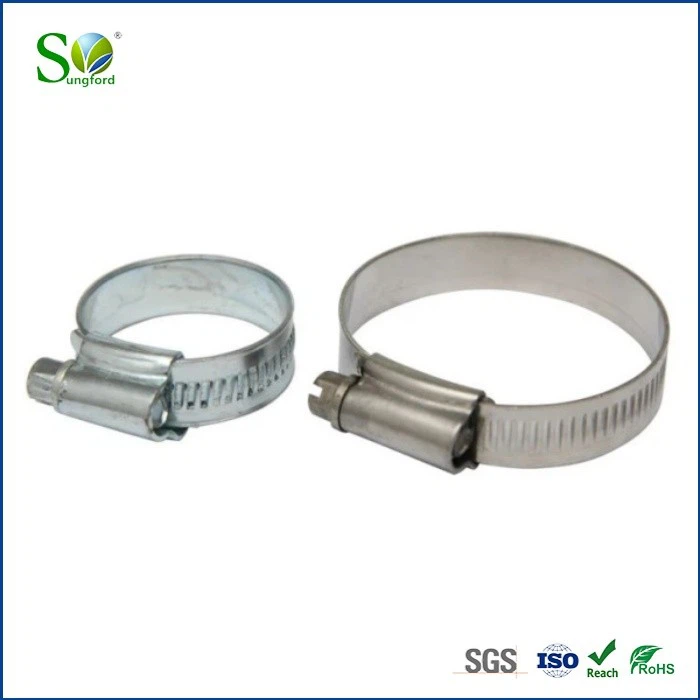
We also provide Hose Clampls that are perfect for securing your hoses to the couplings. These clamps are strong and reliable, ensuring a tight and leak - free connection.
If you're in the market for hose couplings or need to replace your existing ones, we're here to help. Our team of experts can assist you in choosing the right coupling for your specific needs. We offer a wide range of couplings in different sizes, materials, and configurations to suit various applications.
Whether you're a small business owner, a DIY enthusiast, or part of a large industrial operation, we have the products and knowledge to meet your requirements. So, don't hesitate to get in touch with us if you have any questions or if you're ready to place an order. We're looking forward to working with you and helping you ensure the integrity of your hose systems.
References
- "Hose Fitting Handbook" by an industry expert
- Manufacturer's guidelines for hose couplings and related products
- Technical papers on fluid transfer systems and hose integrity testing