

Hey there! As a PVC air hose supplier, I've seen firsthand how crucial it is to pick the right PVC air hose for your needs. Whether you're a DIY enthusiast, a professional mechanic, or someone running an industrial operation, getting the correct hose can make a world of difference in terms of performance, safety, and cost - effectiveness. So, let's dive into how you can choose the right PVC air hose.
1. Consider the Application
First things first, you need to figure out what you're going to use the PVC air hose for. Different applications have different requirements.
- Pneumatic Tools: If you're using pneumatic tools like nail guns, impact wrenches, or paint sprayers, you'll need a hose that can handle the air flow and pressure these tools demand. For this purpose, a Pneumatic PVC Air Hose is a great choice. These hoses are designed to provide a consistent and reliable air supply to your pneumatic tools, ensuring they work efficiently.
- Air Compressors: When it comes to connecting your air compressor to other equipment, a Compressor PVC Air Hose is essential. These hoses are built to withstand the high - pressure output of air compressors. They need to be durable enough to handle the constant flow of compressed air without leaking or bursting.
- High - Pressure Situations: In industrial settings or for specialized applications where high pressure is required, a High Pressure PVC Air Hose is the way to go. These hoses are engineered to handle extreme pressure levels, making them suitable for tasks like powering heavy - duty machinery or operating in high - pressure pneumatic systems.
2. Evaluate the Pressure Rating
The pressure rating of a PVC air hose is one of the most important factors to consider. It indicates the maximum amount of pressure the hose can safely handle. You don't want to use a hose with a pressure rating that's too low for your application, as it could lead to leaks, bursts, or even dangerous situations.
On the other hand, using a hose with a much higher pressure rating than necessary can be overkill and more expensive. So, check the pressure requirements of your equipment (like your air compressor or pneumatic tools) and choose a hose with a pressure rating that meets or slightly exceeds those requirements.
3. Look at the Hose Diameter
The diameter of the PVC air hose affects the air flow. A larger diameter hose allows for more air to flow through it, which is beneficial if you need a high volume of air for your application. For example, if you're using multiple pneumatic tools simultaneously or a tool that requires a large amount of air, a wider - diameter hose will ensure a sufficient air supply.
However, larger diameter hoses can also be more cumbersome to handle and may cost more. So, balance your need for air flow with the practicality of using the hose. Smaller diameter hoses are more flexible and easier to manage, but they may not be suitable for high - volume applications.
4. Think About the Hose Length
The length of the PVC air hose is another crucial consideration. If you need to reach a far - away work area, you'll obviously need a longer hose. But keep in mind that the longer the hose, the more resistance there will be to the air flow. This can result in a drop in pressure at the end of the hose, which may affect the performance of your equipment.
If you find that you need a long hose, you might want to consider using a larger diameter hose to compensate for the pressure drop. Also, make sure to avoid coiling the hose tightly, as this can further restrict the air flow.
5. Check the Hose Material and Construction
The quality of the PVC material used in the hose and its construction play a big role in its durability and performance.
- Material Quality: High - quality PVC hoses are more resistant to abrasion, chemicals, and UV rays. They'll last longer and won't degrade as quickly, even when exposed to harsh environments. Cheaper hoses may be made from lower - quality PVC, which can crack, split, or become brittle over time.
- Reinforcement: Some PVC air hoses are reinforced with materials like polyester or nylon. Reinforcement adds strength to the hose, making it more resistant to kinking and bursting. If you're working in a rough environment or using high - pressure equipment, a reinforced hose is a must.
6. Consider the Flexibility and Bend Radius
Flexibility is important, especially if you need to move the hose around a lot or work in tight spaces. A flexible hose is easier to maneuver and won't get in your way as much.
The bend radius of the hose is also a key factor. The bend radius refers to the minimum radius at which the hose can be bent without kinking or restricting the air flow. A smaller bend radius means the hose can be bent more sharply without causing problems. This is useful when you need to route the hose around obstacles or in confined areas.
7. Look at the Fittings
The fittings on the PVC air hose are just as important as the hose itself. They need to be compatible with your equipment and provide a secure connection. Make sure the fittings are made of high - quality materials and are properly sized.
Leaky fittings can cause a loss of pressure and reduce the efficiency of your system. So, check the fittings for any signs of damage or wear before using the hose. If possible, choose hoses with quick - connect fittings, as they make it easy to attach and detach the hose from your equipment.
8. Check for Certifications and Standards
Reputable PVC air hoses should meet certain industry standards and certifications. These standards ensure that the hose has been tested for safety and performance. Look for hoses that are compliant with standards like ISO or ASTM. Certifications give you peace of mind that you're buying a quality product that meets the necessary requirements.
9. Consider the Cost
Cost is always a factor when making a purchase. While you don't want to skimp on quality, you also don't want to overspend. Compare the prices of different PVC air hoses based on their features, quality, and performance. Sometimes, a slightly more expensive hose may be a better long - term investment, as it will last longer and perform better.
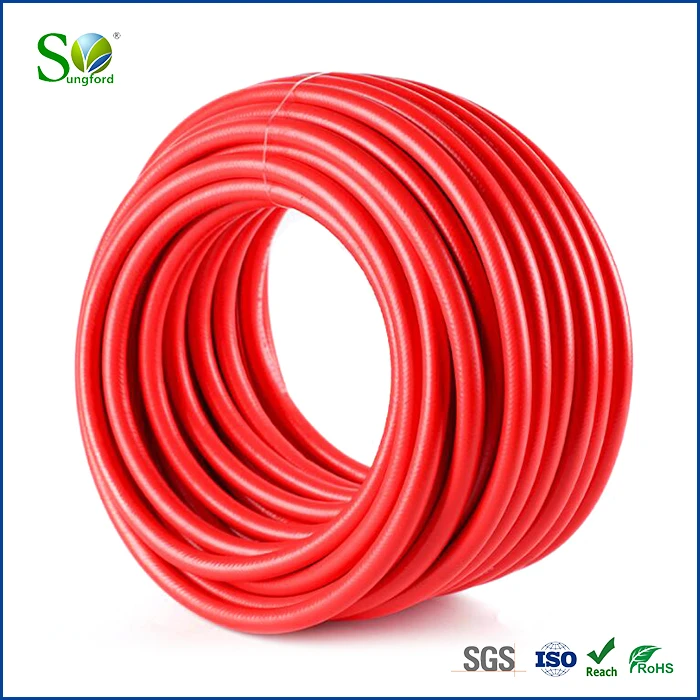

10. Read Reviews and Get Recommendations
Before making a final decision, it's a good idea to read reviews from other users. Online reviews can give you valuable insights into the real - world performance of a particular PVC air hose. You can also ask for recommendations from colleagues, friends, or professionals in your industry. Their experiences can help you avoid making a wrong choice.
In conclusion, choosing the right PVC air hose involves considering multiple factors such as the application, pressure rating, diameter, length, material, flexibility, fittings, certifications, cost, and user reviews. By taking the time to evaluate these aspects, you can ensure that you select a hose that meets your specific needs and provides reliable performance.
If you're in the market for a high - quality PVC air hose, I'd love to help you find the perfect one for your requirements. Whether you need a pneumatic hose for your tools, a compressor hose, or a high - pressure hose for industrial use, we have a wide range of options to choose from. Feel free to reach out to us to start a conversation about your procurement needs.
References
- General knowledge from years of experience as a PVC air hose supplier.
- Industry standards and guidelines for PVC air hoses.