

Hey there! I'm a supplier of hose fittings, and I often get asked how to select the right hose fitting for a specific fluid. It's a crucial question because using the wrong fitting can lead to leaks, contamination, or even system failure. So, let's dive into the factors you need to consider when making this important decision.
Fluid Compatibility
The first and most important factor is fluid compatibility. Different fluids have different chemical properties, and you need to make sure that the hose fitting material can withstand the fluid without corroding, degrading, or reacting with it. For example, if you're dealing with water, most common materials like brass, stainless steel, or PVC will work just fine. But if you're handling chemicals, acids, or oils, you'll need to choose a material that's resistant to those substances.

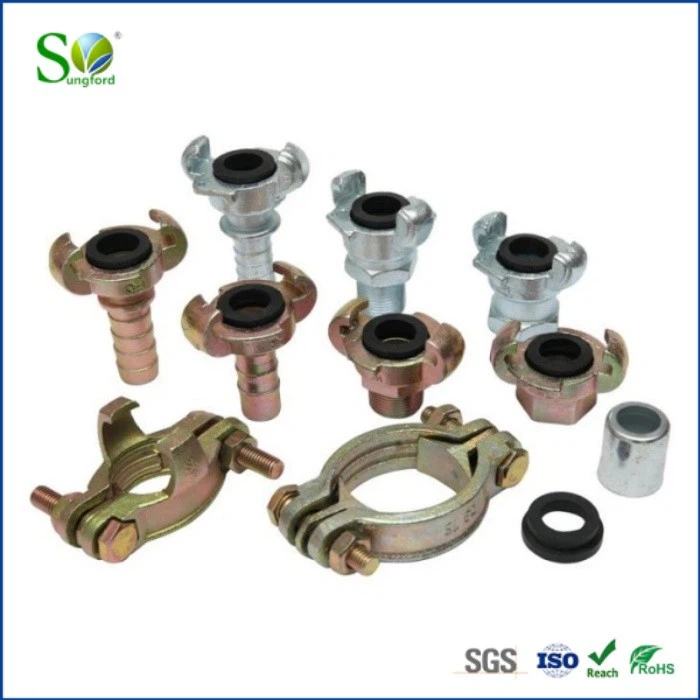
- Metals: Metals like brass and stainless steel are popular choices for hose fittings because they're strong, durable, and have good corrosion resistance. Brass is a cost-effective option for general-purpose applications, while stainless steel is more suitable for harsh environments or when dealing with corrosive fluids.
- Plastics: Plastics like PVC, nylon, and polypropylene are lightweight, inexpensive, and resistant to many chemicals. They're often used in low-pressure applications or when flexibility is required. However, they may not be suitable for high-temperature or high-pressure applications.
- Rubber: Rubber hose fittings are flexible, shock-absorbent, and resistant to abrasion. They're commonly used in automotive, industrial, and hydraulic applications. But like plastics, they may not be compatible with all fluids, so it's important to check the chemical resistance of the rubber material.
Pressure Rating
Another important factor to consider is the pressure rating of the hose fitting. The pressure rating indicates the maximum pressure that the fitting can safely handle without leaking or failing. You need to make sure that the pressure rating of the fitting is higher than the maximum pressure of the fluid in your system.
- Static Pressure: Static pressure is the pressure of the fluid when it's not flowing. It's usually measured in pounds per square inch (psi) or bar. When selecting a hose fitting, you need to consider the static pressure of the fluid in your system and choose a fitting with a pressure rating that's higher than this value.
- Dynamic Pressure: Dynamic pressure is the pressure of the fluid when it's flowing. It's usually higher than the static pressure and can cause additional stress on the hose fitting. You need to consider the dynamic pressure of the fluid in your system and choose a fitting with a pressure rating that can handle this additional stress.
Temperature Range
The temperature range of the fluid is also an important factor to consider. Different materials have different temperature limits, and you need to make sure that the hose fitting material can withstand the temperature of the fluid without deforming, cracking, or losing its strength.
- High-Temperature Applications: If you're dealing with high-temperature fluids, you'll need to choose a hose fitting material that can withstand the heat. Metals like stainless steel and brass are good choices for high-temperature applications because they have high melting points and good thermal conductivity.
- Low-Temperature Applications: If you're dealing with low-temperature fluids, you'll need to choose a hose fitting material that can remain flexible and strong at low temperatures. Rubber and plastics are good choices for low-temperature applications because they have low glass transition temperatures and good cold resistance.
Size and Thread Type
The size and thread type of the hose fitting are also important factors to consider. You need to make sure that the fitting is the right size for your hose and that the thread type matches the thread on your equipment.
- Hose Size: The size of the hose fitting is usually specified by the inner diameter (ID) of the hose. You need to make sure that the fitting has the same ID as your hose to ensure a proper fit.
- Thread Type: The thread type of the hose fitting is usually specified by the thread pitch, diameter, and thread form. You need to make sure that the thread type of the fitting matches the thread on your equipment to ensure a proper seal.
Application and Environment
Finally, you need to consider the application and environment in which the hose fitting will be used. Different applications and environments have different requirements, and you need to choose a fitting that's suitable for your specific needs.
- Automotive Applications: In automotive applications, hose fittings are often used to connect various components of the engine, fuel system, and cooling system. You need to choose a fitting that's resistant to vibration, heat, and chemicals.
- Industrial Applications: In industrial applications, hose fittings are often used to connect pipes, valves, and other equipment in manufacturing plants, refineries, and chemical processing facilities. You need to choose a fitting that's resistant to high pressure, high temperature, and corrosive chemicals.
- Marine Applications: In marine applications, hose fittings are often used to connect pipes, valves, and other equipment on boats and ships. You need to choose a fitting that's resistant to saltwater, corrosion, and UV radiation.
Examples of Hose Fittings
Now that you know the factors to consider when selecting a hose fitting, let's take a look at some examples of hose fittings and their applications.
- Hose Clampls: Hose clamps are used to secure hoses to fittings or other components. They're available in a variety of sizes and materials, including stainless steel, galvanized steel, and plastic. Hose clamps are commonly used in automotive, industrial, and plumbing applications.
- Hose Couplings: Hose couplings are used to connect two hoses or a hose to a fitting or other component. They're available in a variety of sizes, materials, and styles, including quick-connect couplings, threaded couplings, and push-to-connect couplings. Hose couplings are commonly used in automotive, industrial, and hydraulic applications.
Conclusion
Selecting the right hose fitting for a specific fluid is a crucial decision that can have a significant impact on the performance and safety of your system. By considering the factors discussed in this blog post, you can make an informed decision and choose a fitting that's suitable for your specific needs.
If you're still unsure which hose fitting is right for your application, don't hesitate to contact us. We're a leading supplier of hose fittings, and we have a team of experts who can help you choose the right fitting for your specific needs. We offer a wide range of hose fittings in different sizes, materials, and styles, and we can also provide custom solutions to meet your unique requirements.
So, if you're in the market for high-quality hose fittings, give us a call or send us an email today. We look forward to working with you!
References
- ASME B31.1 - Power Piping
- ASTM D2000 - Standard Classification System for Rubber Products in Automotive Applications
- ISO 14743 - Rubber and Plastic Hoses and Hose Assemblies - Vocabulary