

As a supplier of hose clamps, one of the most frequently asked questions I encounter is about the maximum pressure these components can withstand. Understanding the pressure limits of hose clamps is crucial for ensuring the safety and efficiency of any fluid or gas transfer system. In this blog post, I'll delve into the factors that influence the pressure - bearing capacity of hose clamps and provide insights to help you make informed decisions for your applications.
Factors Affecting the Maximum Pressure of Hose Clamps
Material Composition
The material from which a hose clamp is made plays a significant role in determining its pressure resistance. Common materials include stainless steel, carbon steel, and plastic.
Stainless steel is a popular choice due to its excellent corrosion resistance and high strength. It can withstand relatively high pressures, making it suitable for a wide range of industrial applications. For instance, in chemical processing plants where corrosive fluids are transferred, stainless - steel hose clamps can maintain their integrity under pressure and resist chemical attack.

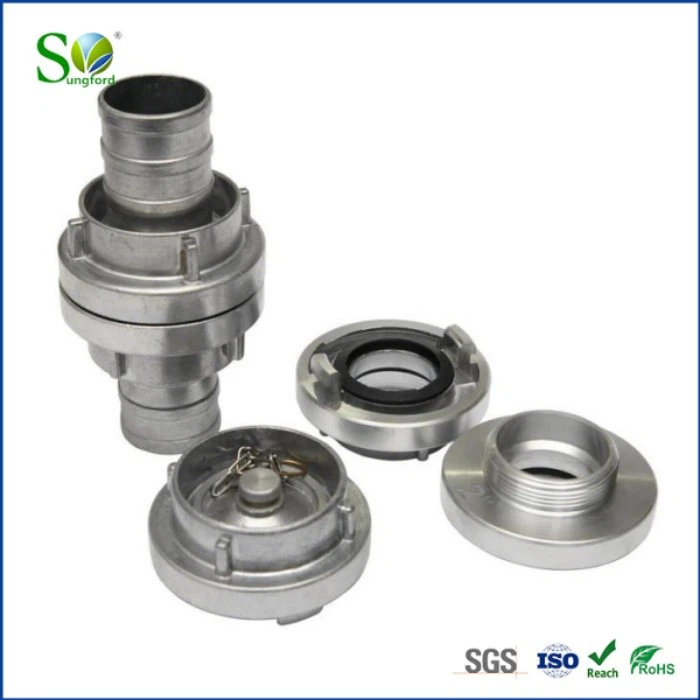
Carbon steel is another option. It is strong and cost - effective, but it is more prone to corrosion compared to stainless steel. In applications where the environment is less corrosive and high pressure is required, carbon steel hose clamps can be a viable choice.
Plastic hose clamps are lightweight and inexpensive. However, they have lower pressure - bearing capacities compared to metal clamps. They are typically used in low - pressure applications such as in automotive cooling systems or home plumbing where the pressure is relatively low.
Design and Construction
The design of a hose clamp also affects its ability to withstand pressure. There are different types of hose clamps, including worm - drive clamps, constant - tension clamps, and T - bolt clamps.
Worm - drive clamps are the most common type. They consist of a band with a screw mechanism that tightens the band around the hose. The maximum pressure they can withstand depends on the width and thickness of the band. A wider and thicker band can distribute the clamping force more evenly, allowing the clamp to hold the hose more securely under pressure.
Constant - tension clamps are designed to maintain a consistent clamping force regardless of temperature changes or vibrations. They are often used in applications where a stable connection is required, such as in fuel lines. These clamps can withstand moderate to high pressures, depending on their size and construction.
T - bolt clamps are heavy - duty clamps that use a T - shaped bolt to tighten the band. They are capable of withstanding very high pressures and are commonly used in high - pressure hydraulic systems.
Hose Compatibility
The type of hose being used in conjunction with the hose clamp is also an important factor. Different hoses have different pressure ratings, and the hose clamp must be able to support the hose under the maximum pressure it is designed to handle.
For example, a high - pressure rubber hose may require a more robust hose clamp compared to a low - pressure PVC hose. The inner diameter and wall thickness of the hose also affect the clamping force required. A larger - diameter hose may need a wider clamp to ensure a proper seal, while a thicker - walled hose may require a higher clamping force.
Determining the Maximum Pressure for Specific Applications
To determine the maximum pressure that a hose clamp can withstand in a specific application, it is essential to consider all the factors mentioned above.
First, identify the type of fluid or gas that will be flowing through the hose. If it is a corrosive substance, stainless - steel clamps may be the best choice. If it is a high - pressure hydraulic fluid, a T - bolt clamp might be more appropriate.
Next, check the pressure rating of the hose. This information is usually provided by the hose manufacturer. The hose clamp should be selected to support the hose at or above its maximum pressure rating.
It is also a good practice to consult the manufacturer's specifications for the hose clamps. Reputable manufacturers will provide detailed information about the pressure - bearing capacity of their products based on different operating conditions.
Real - World Examples of Pressure Requirements
Let's take a look at some real - world examples to better understand the pressure requirements for different applications.
In the automotive industry, radiator hoses typically operate at relatively low pressures, usually around 15 - 20 psi (pounds per square inch). A worm - drive clamp made of stainless steel or plastic can easily handle these pressures. However, fuel lines in modern cars can operate at much higher pressures, sometimes up to 60 psi or more. In such cases, constant - tension or T - bolt clamps may be required to ensure a secure connection.
In industrial applications, high - pressure hydraulic systems can operate at pressures ranging from 1000 psi to over 5000 psi. T - bolt clamps are commonly used in these systems due to their high pressure - bearing capacity. Chemical processing plants also require hose clamps that can withstand high pressures and resist corrosion. Stainless - steel clamps are often the preferred choice in these environments.
Our Range of Hose Clamps and Their Pressure Capabilities
As a hose clamps supplier, we offer a wide range of products to meet different pressure requirements. Our Hose Clampls come in various materials, designs, and sizes.
Our stainless - steel worm - drive clamps are suitable for a wide range of applications, from low - pressure home plumbing to moderate - pressure industrial systems. They can withstand pressures up to 100 psi, depending on the size and thickness of the band.
For high - pressure applications, we offer T - bolt clamps made of high - strength stainless steel. These clamps can withstand pressures up to 5000 psi, making them ideal for hydraulic systems and other high - pressure applications.
We also provide Hose Couplings that are compatible with our hose clamps. These couplings are designed to ensure a secure and leak - free connection, further enhancing the performance of the overall system.
Importance of Choosing the Right Hose Clamp
Choosing the right hose clamp is not only important for ensuring the safety and efficiency of the system but also for preventing costly downtime and repairs. A hose clamp that is not capable of withstanding the required pressure can lead to leaks, which can cause damage to the equipment, contaminate the environment, and even pose a safety hazard.
By selecting the appropriate hose clamp based on the pressure requirements, material compatibility, and design, you can ensure a reliable and long - lasting connection.
Contact Us for Your Hose Clamp Needs
If you are in need of high - quality hose clamps for your applications, we are here to help. Our team of experts can assist you in selecting the right hose clamps based on your specific requirements. Whether you need a clamp for a low - pressure home project or a high - pressure industrial system, we have the products and knowledge to meet your needs.
Don't hesitate to contact us for more information or to start a procurement discussion. We look forward to working with you to ensure the success of your projects.
References
- "Handbook of Hose Fittings and Couplings" - A comprehensive guide on hose - related components and their applications.
- Manufacturer's specifications for various hose clamps and hoses.