

Hey there! I'm a supplier of hose fittings, and I've seen my fair share of damaged hose fittings over the years. It's a real pain, not just for the customer but for us suppliers too. Damaged fittings mean unhappy customers, and that's the last thing we want. So, I thought I'd share some tips on how to protect a hose fitting from physical damage.
First off, let's talk about what causes physical damage to hose fittings. There are a few common culprits. One of the biggest is improper installation. If a hose fitting isn't installed correctly, it can be put under a lot of stress, which can lead to cracks, leaks, or even complete failure. Another common cause is abrasion. If a hose fitting rubs against a sharp edge or rough surface, it can wear down the material over time, making it more susceptible to damage. And then there's impact damage. A hard knock or a drop can cause a hose fitting to crack or break, especially if it's made of a brittle material.
So, how can you protect your hose fittings from these types of damage? Well, the first step is to choose the right fitting for the job. Not all hose fittings are created equal, and different applications require different types of fittings. For example, if you're using a hose in a high-pressure environment, you'll need a fitting that can handle the pressure. Similarly, if you're using a hose in a corrosive environment, you'll need a fitting that's made of a corrosion-resistant material.
When it comes to installation, it's important to follow the manufacturer's instructions carefully. Make sure you use the right tools and techniques, and don't overtighten the fitting. Overtightening can cause the fitting to crack or break, and it can also damage the hose. If you're not sure how to install a hose fitting correctly, don't be afraid to ask for help. Most suppliers, including us, are happy to provide installation instructions and advice.
Another important step in protecting your hose fittings is to use proper support. Hoses can be heavy, especially when they're full of fluid, and if they're not supported properly, they can put a lot of stress on the fittings. Make sure you use hose clamps or other support devices to keep the hose in place and prevent it from sagging or pulling on the fittings. You can find a variety of Hose Clampls on our website that are designed to provide reliable support for your hoses.
In addition to proper support, you should also try to avoid exposing your hose fittings to sharp edges or rough surfaces. If you need to run a hose through an area where there are sharp edges, you can use a protective sleeve or guard to prevent the hose from rubbing against the edges. This can help to extend the life of the hose and the fittings.
When it comes to impact damage, one of the best things you can do is to store your hoses and fittings properly. Make sure you keep them in a safe place where they won't be knocked or dropped. If you're transporting hoses and fittings, use a padded container or case to protect them from damage.
Another way to protect your hose fittings from physical damage is to inspect them regularly. Look for signs of wear, such as cracks, leaks, or corrosion. If you notice any damage, replace the fitting as soon as possible. Ignoring a damaged fitting can lead to more serious problems down the road, including leaks, spills, and even equipment failure.
Finally, it's important to choose a high-quality hose fitting in the first place. Cheaper fittings may seem like a good deal, but they're often made of lower-quality materials and may not be as durable. Investing in a high-quality fitting can save you money in the long run by reducing the need for frequent replacements. You can find a wide range of high-quality Hose Couplings on our website, all of which are designed to provide reliable performance and long-lasting durability.
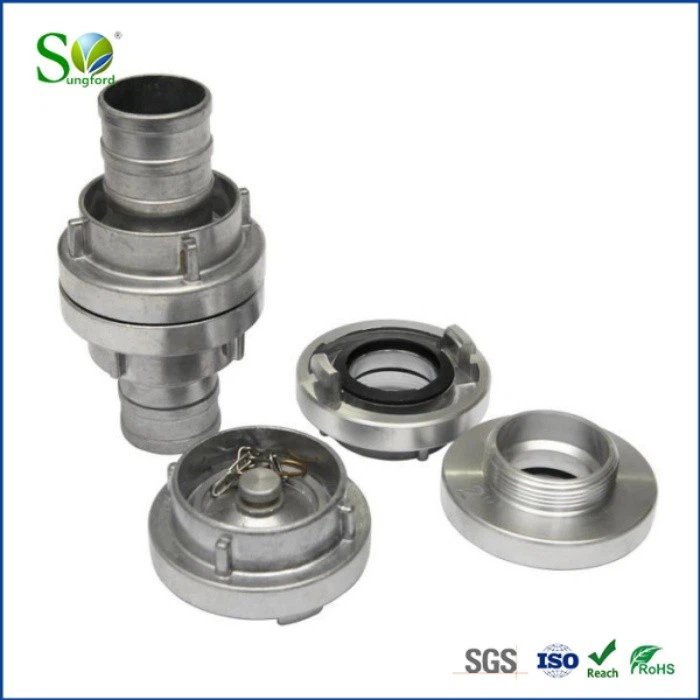

In conclusion, protecting a hose fitting from physical damage requires a combination of proper selection, installation, support, and maintenance. By following these tips, you can help to ensure that your hose fittings last as long as possible and perform at their best. If you have any questions or need help choosing the right hose fitting for your application, don't hesitate to contact us. We're here to help you find the best solution for your needs.
Whether you're a small business owner or a large industrial manufacturer, we have the expertise and the products to meet your hose fitting needs. Our team of experts is always available to provide you with personalized advice and support, and we offer a wide range of products at competitive prices. So, if you're in the market for hose fittings, why not give us a try? We're confident that you'll be happy with our products and our service.
References
- Industry standards and guidelines for hose fitting installation and maintenance.
- Manufacturer's specifications and instructions for hose fittings.