

Hose clamps, also known as hose clips or hose bands, are simple yet incredibly versatile devices used in a wide range of applications across various industries. As a leading supplier of hose clamps, I've had the privilege of witnessing firsthand the diverse ways these unassuming components play a crucial role in countless systems. In this blog post, I'll delve into the many uses of hose clamps and explain why they are an essential part of so many operations.
Automotive Industry
One of the most common applications for hose clamps is in the automotive industry. They are used to secure hoses in a variety of systems, including the cooling system, fuel system, and vacuum system. In the cooling system, hose clamps ensure that coolant hoses are tightly connected to the radiator, water pump, and engine block, preventing leaks that could lead to overheating and engine damage. Similarly, in the fuel system, hose clamps keep fuel hoses in place, preventing fuel leaks that could pose a serious safety hazard.
In addition to their role in preventing leaks, hose clamps also help to maintain the integrity of the hoses themselves. By providing a secure connection, they prevent the hoses from vibrating loose or being pulled off, which could cause damage to the hose or the surrounding components. This is especially important in high - pressure systems, where a loose hose could result in a sudden loss of pressure and system failure.
Plumbing and HVAC Systems
Hose clamps are also widely used in plumbing and HVAC (Heating, Ventilation, and Air Conditioning) systems. In plumbing, they are used to connect flexible hoses to pipes, faucets, and appliances such as washing machines and dishwashers. This ensures a watertight seal, preventing leaks that could cause water damage to your home or business. For example, when installing a new washing machine, a hose clamp is used to secure the water supply hose to the machine, ensuring that water flows smoothly and without any leaks.
In HVAC systems, hose clamps are used to connect ductwork, refrigerant lines, and ventilation hoses. They help to maintain proper airflow and prevent air leaks, which can reduce the efficiency of the system and increase energy costs. A properly installed hose clamp can ensure that the HVAC system operates at peak performance, providing comfortable temperatures and good air quality.
Industrial Machinery
Industrial machinery often relies on hose clamps to keep various fluid and gas - carrying hoses in place. In manufacturing plants, they are used in hydraulic systems, pneumatic systems, and chemical processing equipment. Hydraulic systems, which use pressurized fluid to transmit power, require a secure connection between hoses and cylinders, valves, and pumps. Hose clamps ensure that these connections are leak - free, allowing the hydraulic system to operate efficiently and safely.
In pneumatic systems, which use compressed air to power tools and equipment, hose clamps are used to connect air hoses to valves and fittings. This prevents air leaks, which can waste energy and reduce the performance of the pneumatic tools. Chemical processing equipment also uses hose clamps to connect hoses carrying corrosive or hazardous chemicals. The right type of hose clamp, made from a material resistant to the chemicals being transported, is crucial to prevent leaks and ensure the safety of the workers and the environment.
Marine and Agricultural Applications
In the marine industry, hose clamps are used to secure hoses in boats and ships. They are used in the engine cooling system, fuel system, and bilge pump system. Saltwater can be highly corrosive, so marine - grade hose clamps made from materials such as stainless steel are often used to ensure long - term durability. These clamps prevent leaks that could lead to engine damage or flooding in the bilge.
In agriculture, hose clamps are used in irrigation systems, fertilizer spraying equipment, and milking machines. In irrigation systems, they are used to connect hoses to sprinklers, valves, and pumps, ensuring that water is distributed evenly across the fields. In fertilizer spraying equipment, hose clamps keep the hoses in place, preventing leaks of the potentially harmful chemicals. And in milking machines, they ensure a hygienic and leak - free connection between the milk hoses and the milking units.
Types of Hose Clamps
There are several types of hose clamps available, each designed for specific applications. The most common type is the worm - drive hose clamp, which consists of a metal band with a screw mechanism. The screw can be tightened or loosened to adjust the diameter of the clamp, allowing it to fit different sizes of hoses. This type of clamp is easy to install and remove, making it a popular choice for many applications.
Another type is the spring - loaded hose clamp, which uses a spring to apply constant pressure around the hose. This type of clamp is ideal for applications where the hose may expand or contract due to temperature changes or vibrations. Spring - loaded clamps are often used in automotive and industrial applications.
There are also T - bolt hose clamps, which are used in high - pressure applications. These clamps have a T - shaped bolt that provides a more secure and evenly distributed clamping force compared to other types of clamps. They are commonly used in heavy - duty industrial machinery and automotive engines.
The Importance of Quality Hose Clamps
Using high - quality hose clamps is essential for ensuring the reliability and safety of your systems. Inferior quality clamps may not provide a proper seal, leading to leaks and potential system failures. They may also corrode or break over time, especially in harsh environments. As a hose clamps supplier, I always recommend using clamps that are made from high - quality materials and meet industry standards.

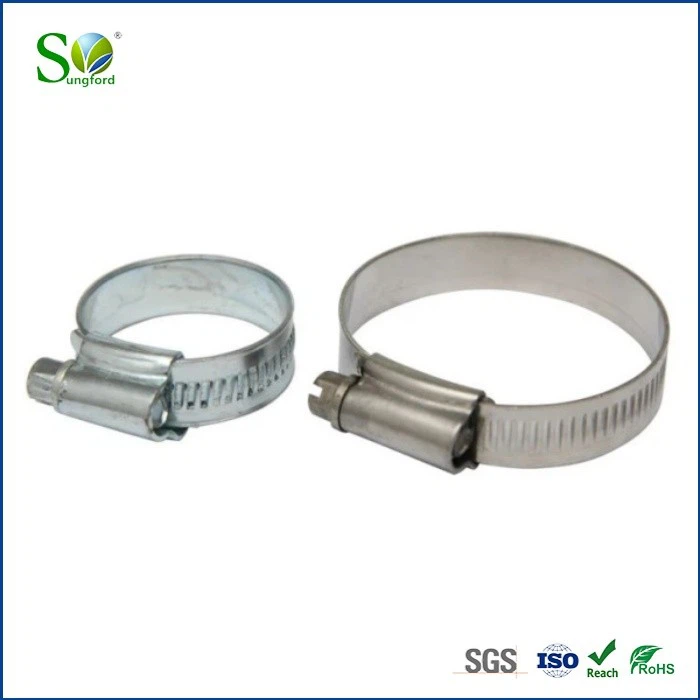
When choosing hose clamps, it's important to consider factors such as the size of the hose, the pressure and temperature of the fluid or gas being transported, and the environment in which the clamp will be used. For example, if you're using a hose clamp in a marine environment, you'll need a clamp that is resistant to saltwater corrosion. If you're using it in a high - pressure hydraulic system, you'll need a clamp that can withstand the high forces.
Where to Find the Right Hose Clamps
If you're in need of hose clamps for your specific application, look no further. As a trusted supplier, we offer a wide range of hose clamps to meet your needs. Whether you need worm - drive clamps, spring - loaded clamps, or T - bolt clamps, we have the right product for you. You can also explore our selection of Hose Couplings to find the perfect fittings to complement your hose clamps. And for all your hose clamp needs, visit our Hose Clampls page.
If you have any questions about which hose clamps are right for your application or if you'd like to discuss a large - scale purchase, please don't hesitate to contact us. Our team of experts is ready to assist you in finding the best solutions for your needs. We're committed to providing high - quality products and excellent customer service, and we look forward to working with you on your next project.
References
- "Automotive Handbook" by Robert Bosch GmbH
- "Plumbing Engineering: Design and Installation" by Joseph L. Ayers
- "Industrial Hydraulics Handbook" by Eaton Corporation