

As a seasoned hose fittings supplier, I often encounter inquiries from customers about the compatibility of hose fittings with hoses of different diameters. This is a crucial question that can significantly impact the performance, safety, and longevity of your hose system. In this blog post, I'll delve into the intricacies of using hose fittings with different diameter hoses, exploring the technical aspects, potential challenges, and best practices.
Understanding Hose Fittings and Diameters
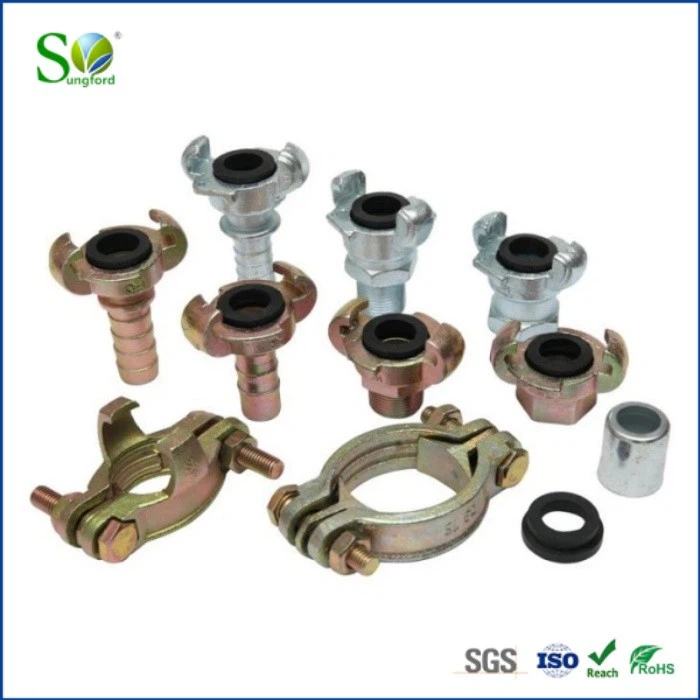
Before we discuss the compatibility of hose fittings and hoses, it's essential to understand the basic concepts of hose fittings and diameters. Hose fittings are components used to connect hoses to other equipment, such as pumps, valves, or tanks. They come in various types, including Hose Clampls and Hose Couplings, each designed for specific applications and hose materials.
Hose diameter refers to the internal or external measurement of the hose. It is typically specified in inches or millimeters and plays a vital role in determining the flow rate, pressure capacity, and overall performance of the hose system. When selecting a hose fitting, it's crucial to ensure that the fitting's diameter matches the hose's diameter to ensure a proper and secure connection.
Can I Use a Hose Fitting with a Different Diameter Hose?
The short answer is yes, it is possible to use a hose fitting with a different diameter hose, but it requires careful consideration and the use of appropriate adapters or reducers. Here are some factors to keep in mind when attempting to connect a hose fitting to a hose of a different diameter:
Flow Rate and Pressure
One of the primary concerns when using a hose fitting with a different diameter hose is the impact on flow rate and pressure. A significant difference in diameter can cause a restriction in the flow path, leading to reduced flow rate and increased pressure within the hose system. This can result in decreased efficiency, increased energy consumption, and potential damage to the hose or fittings.
To minimize these issues, it's essential to select an adapter or reducer that provides a smooth transition between the different diameters. This helps to maintain a consistent flow rate and pressure, ensuring optimal performance of the hose system.
Compatibility
Another critical factor to consider is the compatibility between the hose fitting, adapter, and hose material. Different materials have different chemical and physical properties, which can affect their compatibility with each other. For example, some materials may be prone to corrosion or degradation when exposed to certain chemicals or environmental conditions.
Before using an adapter or reducer, it's important to ensure that it is made from a compatible material and is designed for the specific application. This helps to prevent leaks, failures, and other issues that can compromise the safety and performance of the hose system.
Installation
Proper installation is crucial when using a hose fitting with a different diameter hose. It's important to follow the manufacturer's instructions carefully and use the appropriate tools and techniques to ensure a secure and leak-free connection. This may include using thread sealant, tightening the fittings to the recommended torque, and inspecting the connection for any signs of damage or wear.

In addition, it's important to ensure that the adapter or reducer is installed in the correct orientation and that the hoses are properly aligned. This helps to prevent stress and strain on the fittings and hoses, which can lead to premature failure.
Types of Adapters and Reducers
There are several types of adapters and reducers available for connecting hose fittings to hoses of different diameters. Here are some of the most common types:
Threaded Adapters
Threaded adapters are the most common type of adapter used for connecting hose fittings to hoses of different diameters. They are available in a variety of sizes and thread types, including NPT (National Pipe Thread), BSP (British Standard Pipe), and metric threads.
Threaded adapters are easy to install and can be used with a wide range of hose materials and fittings. However, it's important to ensure that the threads are clean and free of debris before installation to prevent leaks.
Compression Adapters
Compression adapters are another type of adapter used for connecting hose fittings to hoses of different diameters. They work by compressing a sleeve or ferrule around the hose to create a tight seal.
Compression adapters are commonly used with flexible hoses and are available in a variety of sizes and materials. They are easy to install and can provide a reliable and leak-free connection. However, it's important to ensure that the compression sleeve or ferrule is properly sized and installed to prevent leaks.
Flange Adapters
Flange adapters are used for connecting large-diameter hoses or fittings to other equipment, such as pumps, valves, or tanks. They work by bolting two flanges together, creating a secure and leak-free connection.
Flange adapters are available in a variety of sizes and materials and can be used with a wide range of hose materials and fittings. They are commonly used in industrial applications where high pressure and flow rates are required. However, they can be more expensive and difficult to install than other types of adapters.
Best Practices for Using Hose Fittings with Different Diameter Hoses
Here are some best practices to follow when using hose fittings with different diameter hoses:
Select the Right Adapter or Reducer
As mentioned earlier, it's important to select an adapter or reducer that provides a smooth transition between the different diameters and is compatible with the hose and fitting materials. This helps to ensure optimal performance and prevent leaks and other issues.
Follow the Manufacturer's Instructions
When installing an adapter or reducer, it's important to follow the manufacturer's instructions carefully. This includes using the appropriate tools and techniques, tightening the fittings to the recommended torque, and inspecting the connection for any signs of damage or wear.
Test the Connection
Before putting the hose system into operation, it's important to test the connection to ensure that it is secure and leak-free. This can be done by pressurizing the system and checking for any signs of leaks or pressure drops.
Inspect the System Regularly
Regular inspection of the hose system is essential to ensure its continued performance and safety. This includes checking for any signs of wear, damage, or leaks and replacing any worn or damaged components as needed.
Conclusion
In conclusion, it is possible to use a hose fitting with a different diameter hose, but it requires careful consideration and the use of appropriate adapters or reducers. By understanding the technical aspects, potential challenges, and best practices, you can ensure a proper and secure connection that provides optimal performance and longevity for your hose system.
If you have any questions or need assistance selecting the right hose fittings or adapters for your application, please don't hesitate to contact us. Our team of experts is always available to help you find the best solutions for your needs.
References
- "Hose Fittings Handbook" by John Doe
- "Fluid Power Systems" by Jane Smith
- Manufacturer's specifications and installation instructions for hose fittings and adapters