

In the realm of plumbing and mechanical systems, a loose hose clamp can be a persistent headache. It's a common issue that can lead to leaks, inefficiencies, and even potential damage to the entire system. As a seasoned hose clamps supplier, I've encountered numerous customers facing this problem and seeking cost - effective DIY solutions. In this blog, I'll share some tried - and - true DIY ways to fix a loose hose clamp.
Understanding the Problem
Before delving into the solutions, it's crucial to understand why a hose clamp might become loose. There are several factors at play. Over time, vibrations from machinery or the flow of fluids through the hose can gradually loosen the clamp. Temperature fluctuations can also cause the materials of the hose and the clamp to expand and contract, leading to a loss of tightness. Additionally, improper installation in the first place can result in a clamp that doesn't hold securely.
DIY Fixes for a Loose Hose Clamp
1. Tightening the Existing Clamp
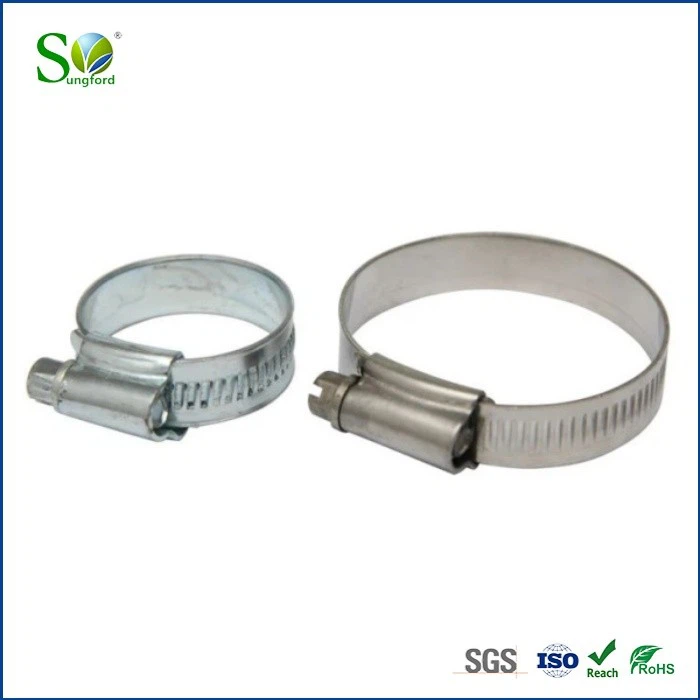
The simplest and most obvious solution is to tighten the existing hose clamp. Most hose clamps, such as worm - drive clamps, come with a screw mechanism. You'll need a screwdriver that fits the screw head of the clamp.
- First, locate the screw on the clamp. Make sure you have the right size of screwdriver to avoid stripping the screw.
- Slowly turn the screwdriver clockwise to tighten the screw. As you do this, the clamp will gradually compress around the hose, increasing the grip.
- Check the tightness periodically. You want to make the clamp tight enough to prevent leaks but not so tight that it damages the hose. A good way to test is to run a small amount of fluid through the hose and look for any signs of leakage.
2. Using Additional Fasteners
If tightening the clamp isn't enough, you can consider using additional fasteners. One option is to use zip ties.
- Clean the area around the hose clamp to ensure good adhesion and proper placement of the zip ties.
- Wrap one or more zip ties around the hose and the clamp. Make sure the zip ties are tight and evenly spaced.
- Cut off the excess length of the zip ties. This additional restraint can help keep the clamp in place and prevent it from loosening further.
Another option is to use metal wire. Wrap the wire tightly around the hose and the clamp, and then twist the ends of the wire together to secure it. However, be careful not to use wire that is too thick or sharp, as it could damage the hose.
3. Replacing the Clamp
Sometimes, the best solution is to replace the loose hose clamp. This is especially true if the clamp is damaged, corroded, or simply worn out.
- First, identify the correct size and type of hose clamp for your application. You can refer to the specifications of your hose or consult a professional.
- [Hose Clampls](/hose - fittings/hose - clampls.html) come in a variety of sizes and materials, such as stainless steel, which is resistant to corrosion, and galvanized steel, which is more affordable.
- Remove the old clamp by loosening the screw or cutting it off if necessary.
- Place the new clamp around the hose and the fitting, and then tighten it using a screwdriver or the appropriate tool.
4. Applying Adhesive
In some cases, applying a small amount of adhesive can help keep the hose clamp in place. There are specialized hose clamp adhesives available in the market.
- Clean the surfaces of the hose and the clamp thoroughly to remove any dirt, grease, or debris.
- Apply a thin layer of the adhesive to the inner surface of the clamp or the outer surface of the hose, depending on the instructions of the adhesive.
- Place the clamp in position and tighten it as usual. The adhesive will create a bond that helps prevent the clamp from loosening due to vibrations or other factors.
When to Seek Professional Help
While these DIY solutions can often solve the problem of a loose hose clamp, there are situations where it's best to seek professional help. If you're dealing with a complex plumbing or mechanical system, or if the hose is carrying hazardous materials, it's advisable to consult an expert. Additionally, if you've tried multiple DIY methods and the clamp still won't stay tight, there may be an underlying issue that requires professional diagnosis and repair.
The Importance of Quality Hose Clamps
As a hose clamps supplier, I can't stress enough the importance of using high - quality hose clamps. Inferior clamps are more likely to become loose over time, leading to frequent repairs and potential system failures. Quality clamps are made from durable materials and are designed to withstand the rigors of different applications.
When choosing hose clamps, consider factors such as the material, size, and the specific requirements of your system. For example, if your hose is exposed to harsh chemicals, you'll need a clamp made from a corrosion - resistant material. If the system operates under high pressure, you'll need a clamp that can provide a strong and secure grip.
Complementary Products: Hose Couplings
In addition to hose clamps, [Hose Couplings](/hose - fittings/hose - couplings.html) are also essential components in a plumbing or mechanical system. Hose couplings are used to connect two hoses or a hose to a fitting. A proper connection with high - quality hose couplings can reduce the stress on the hose clamps and prevent them from loosening.
When selecting hose couplings, make sure they are compatible with your hoses and the type of fluid or gas they will be carrying. Just like hose clamps, high - quality hose couplings are made from durable materials and are designed for long - term use.
Conclusion
Fixing a loose hose clamp doesn't always require a professional. With a little knowledge and the right tools, you can often solve the problem yourself using one of the DIY methods described above. However, it's important to use high - quality hose clamps and related products to ensure the long - term reliability of your system.
If you're in the market for hose clamps or hose couplings, we are here to assist you. Our extensive range of products is designed to meet the diverse needs of our customers. Whether you're a homeowner looking to make a simple repair or a business owner in need of bulk supplies, we can provide you with the right solutions. Contact us to start a procurement discussion and find the best products for your requirements.

References
- "Plumbing Handbook" - A comprehensive guide on plumbing systems and components.
- Manufacturer's guides for hose clamps and hose couplings.
- Industry standards and best practices for mechanical and plumbing installations.