

Hey there! As a supplier of PVC food grade hoses, I often get asked about the storage requirements for these essential products. In this blog post, I'll share some insights on how to properly store PVC food grade hoses to ensure their quality and longevity.
First off, let's understand why proper storage is so important. PVC food grade hoses are used in a variety of applications where hygiene and safety are top priorities, such as in the food and beverage industry, pharmaceuticals, and dairy processing. If these hoses are not stored correctly, they can be exposed to factors that may compromise their integrity, leading to contamination, degradation, or reduced performance.
Temperature and Humidity
One of the key factors to consider when storing PVC food grade hoses is the temperature and humidity of the storage environment. PVC is a thermoplastic material, which means its properties can be affected by temperature changes. Extreme heat can cause the hose to become soft and lose its shape, while extreme cold can make it brittle and more prone to cracking.
Ideally, PVC food grade hoses should be stored in a cool, dry place with a temperature range between 10°C and 30°C (50°F and 86°F). Avoid storing them in areas that are exposed to direct sunlight or near heat sources, such as radiators or heaters. High humidity can also be a problem, as it can promote the growth of mold and mildew on the hose surface. To prevent this, keep the relative humidity in the storage area below 60%.
Protection from Physical Damage
Another important aspect of storing PVC food grade hoses is protecting them from physical damage. Hoses can be easily damaged by sharp objects, abrasion, or excessive bending. When storing them, make sure they are not compressed or kinked, as this can cause internal damage and reduce their lifespan.
It's a good idea to store hoses on racks or in cabinets where they can be kept straight and organized. If you need to stack hoses, place a soft, non-abrasive material between each layer to prevent scratching. Avoid dragging hoses across rough surfaces or exposing them to sharp edges.
Chemical Exposure
PVC food grade hoses are designed to be resistant to a wide range of chemicals, but they can still be affected by certain substances. Avoid storing hoses in areas where they may come into contact with solvents, acids, alkalis, or other chemicals that could cause corrosion or degradation.
If you need to clean the hoses, use a mild detergent and warm water. Avoid using harsh chemicals or abrasive cleaners, as these can damage the hose surface. After cleaning, make sure the hoses are thoroughly dried before storing them.
Protection from UV Radiation
UV radiation from sunlight can cause PVC to degrade over time, leading to discoloration, cracking, and reduced flexibility. To protect hoses from UV damage, store them in a shaded area or cover them with a UV-resistant tarp or sheet.
If you need to use hoses outdoors, consider using UV-stabilized PVC hoses, which are specifically designed to resist the effects of UV radiation. These hoses are more expensive than standard PVC hoses, but they offer better long-term performance and durability.
Inspection and Maintenance
Regular inspection and maintenance are essential for ensuring the quality and safety of PVC food grade hoses. Before storing hoses, inspect them for any signs of damage, such as cracks, cuts, or leaks. If you find any damaged hoses, replace them immediately to prevent contamination or other problems.

During storage, periodically check the hoses for signs of degradation or damage. If you notice any changes in the hose's appearance or performance, such as discoloration, stiffness, or reduced flexibility, it may be time to replace them.
Specific Storage Considerations for Different Types of PVC Food Grade Hoses
Different types of PVC food grade hoses may have specific storage requirements based on their construction and intended use. Here are some examples:
- Food Grade Braided PVC Tubing: This type of hose is reinforced with a braided layer to provide additional strength and flexibility. When storing braided PVC tubing, make sure it is not over-twisted or kinked, as this can damage the braid and reduce its effectiveness.
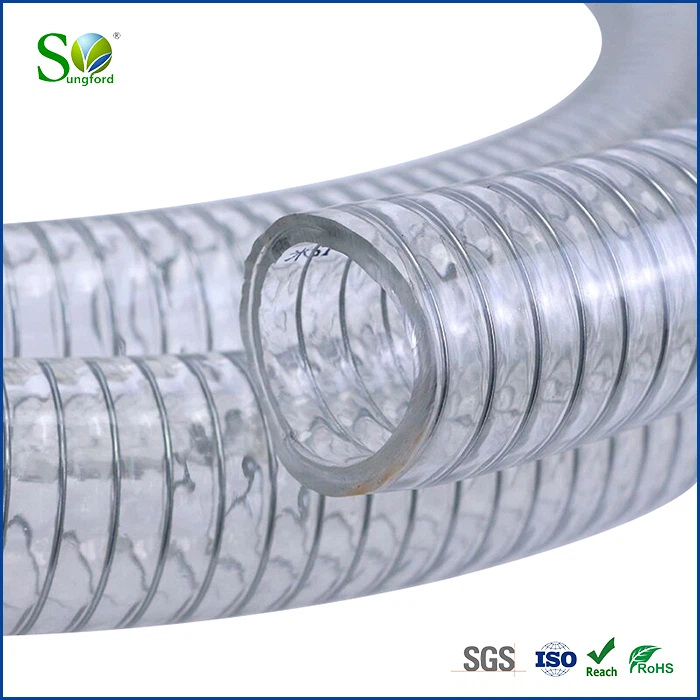
- Food Grade PVC Steel Wire Hose: These hoses are reinforced with a steel wire helix to provide additional strength and rigidity. When storing steel wire hoses, make sure they are not bent or compressed beyond their recommended minimum bend radius, as this can cause the wire to break or become deformed.
- Food Grade Clear Vinyl Tubing: Clear vinyl tubing is often used in applications where visibility is important, such as in food and beverage processing. When storing clear vinyl tubing, keep it away from direct sunlight and heat sources, as these can cause the tubing to become cloudy or discolored.
Conclusion
Proper storage is essential for ensuring the quality and longevity of PVC food grade hoses. By following the guidelines outlined in this blog post, you can help protect your hoses from damage, contamination, and degradation, and ensure they perform at their best when you need them.
If you have any questions about the storage requirements for PVC food grade hoses or need help selecting the right hoses for your application, please don't hesitate to contact us. We're here to help you find the best solutions for your needs and ensure the safety and quality of your products.
References
- "PVC Hose Storage Guidelines," Hose Manufacturer's Association
- "Food Grade Hose Selection and Maintenance," Food Safety Magazine
- "Best Practices for Storing Plastic Hoses," Plastics News