

Is it necessary to insulate a gas hose? This is a question that often arises among users and installers of gas systems. As a gas hose supplier, I've encountered numerous inquiries on this topic. In this blog post, I'll explore the reasons behind gas hose insulation, its benefits, potential drawbacks, and help you decide whether it's a necessary step for your gas hose applications.
Understanding Gas Hoses
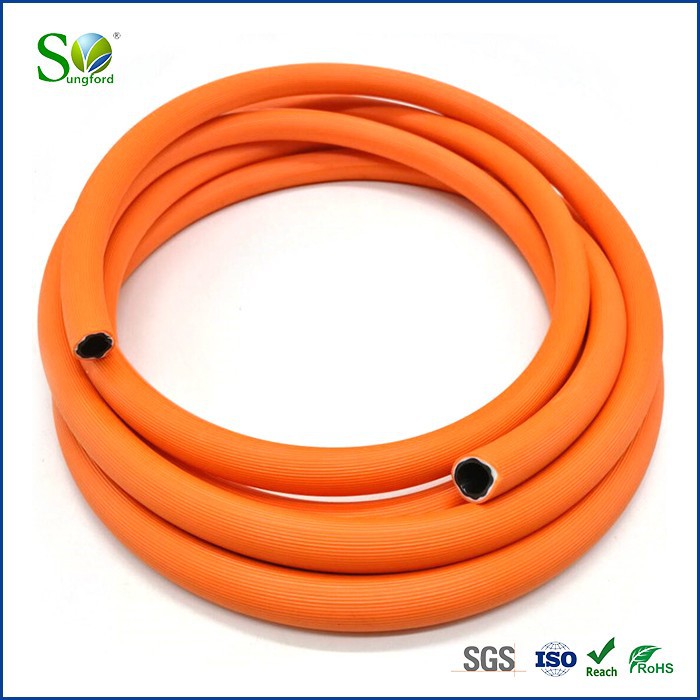
Before delving into the insulation question, let's briefly understand gas hoses. Gas hoses are essential components in various gas systems, used to transfer gases from a source to the point of use. They come in different types and materials to suit different applications. For instance, our Natural LPG Gas Hose is designed specifically for handling natural liquefied petroleum gas (LPG), while the PVC Gas Hose is made from polyvinyl chloride and is suitable for a range of gas applications.

Reasons for Insulating Gas Hoses
Temperature Regulation
One of the primary reasons for insulating a gas hose is temperature regulation. Gas hoses can be exposed to extreme temperatures, both hot and cold. In cold environments, the gas inside the hose can contract, leading to a decrease in pressure. This can affect the performance of the gas system, causing appliances to operate inefficiently or even malfunction. Insulation helps to maintain a more stable temperature inside the hose, ensuring consistent gas flow and pressure.
Conversely, in hot environments, the gas can expand, which may also lead to pressure fluctuations. Insulation acts as a barrier, reducing the heat transfer from the surroundings to the gas inside the hose. This helps to prevent over - pressurization and potential damage to the hose and the connected gas system.
Protection from External Elements
Insulation provides an additional layer of protection for gas hoses against external elements. It can shield the hose from physical damage, such as abrasion, cuts, and impacts. For example, in industrial settings where gas hoses may be exposed to heavy machinery or moving parts, insulation can prevent accidental damage that could lead to gas leaks.
Moreover, insulation can protect the hose from chemical exposure. Some gases may react with certain chemicals in the environment, and insulation can act as a barrier to prevent these reactions from occurring. It also helps to protect the hose from UV radiation, which can cause the material of the hose to degrade over time.
Safety Enhancement
Insulating a gas hose can enhance safety. In the event of a gas leak, insulation can slow down the spread of the gas. This gives users more time to detect the leak and take appropriate measures, such as shutting off the gas supply. Additionally, insulation can reduce the risk of ignition if there is a gas leak near a heat source. By maintaining a more stable temperature, it minimizes the chances of the gas reaching its ignition point.
Benefits of Insulating Gas Hoses
Improved Energy Efficiency
As mentioned earlier, insulation helps to maintain a stable gas temperature, which in turn improves the efficiency of the gas system. When the gas is at the right temperature and pressure, appliances can operate more efficiently, consuming less gas to achieve the same level of performance. This can lead to significant cost savings over time, especially for large - scale gas users.
Extended Hose Lifespan
By protecting the gas hose from external elements and temperature fluctuations, insulation can significantly extend the lifespan of the hose. A well - insulated hose is less likely to suffer from premature wear and tear, reducing the frequency of hose replacements. This not only saves money on replacement costs but also reduces the downtime associated with hose replacement in industrial or commercial settings.
Potential Drawbacks of Insulating Gas Hoses
Cost
One of the main drawbacks of insulating gas hoses is the additional cost. Insulation materials and the labor required for installation can add to the overall cost of the gas hose system. For some users, especially those on a tight budget, this may be a significant factor to consider. However, it's important to weigh the upfront cost against the long - term benefits, such as energy savings and extended hose lifespan.
Installation Complexity
Insulating a gas hose can be a complex process, especially for large or complex gas systems. It requires proper planning and installation techniques to ensure that the insulation is effective. Incorrect installation can lead to gaps or air pockets in the insulation, which can reduce its effectiveness. In some cases, professional installation may be required, which adds to the overall cost.
When Is Insulation Necessary?
The decision to insulate a gas hose depends on several factors. In general, insulation is recommended in the following situations:
- Extreme Temperature Environments: If the gas hose is exposed to very high or very low temperatures, insulation is almost always necessary. This includes outdoor installations in regions with harsh climates, as well as industrial settings where the hoses are near heat sources or in cold storage areas.
- High - Risk Areas: In areas where there is a high risk of physical damage, chemical exposure, or gas leaks, insulation can provide an extra layer of protection. For example, in chemical plants, construction sites, or areas with heavy foot or vehicle traffic.
- Long - Distance Gas Transmission: When gas is transmitted over long distances through hoses, insulation can help to maintain a stable gas temperature and pressure throughout the pipeline. This ensures consistent performance of the gas system at the end - use point.
Conclusion
In conclusion, whether it is necessary to insulate a gas hose depends on the specific circumstances of its use. While insulation offers numerous benefits, including temperature regulation, protection from external elements, safety enhancement, improved energy efficiency, and extended hose lifespan, it also comes with some drawbacks, such as cost and installation complexity.
As a gas hose supplier, I recommend carefully assessing your gas hose application to determine if insulation is necessary. If you are unsure, our team of experts can provide you with detailed advice based on your specific requirements. We offer a wide range of gas hoses, including Natural LPG Gas Hose and PVC Gas Hose, and can assist you in finding the right insulation solution for your needs.
If you are interested in purchasing gas hoses or need more information about gas hose insulation, please feel free to contact us. We are ready to discuss your requirements and provide you with the best possible solutions for your gas hose applications.
References
- American Gas Association. "Gas Safety and Installation Guidelines."
- International Organization for Standardization (ISO). "Standards for Gas Hoses and Related Equipment."
- National Fire Protection Association (NFPA). "Codes and Standards for Gas Systems."