

Hey there! I'm a supplier of gas hoses, and I often get asked about how to connect multiple appliances to a single gas hose. It's a common question, especially for those looking to make the most of their gas supply at home or in a small business setting. In this blog, I'll share some tips and tricks on how to do it safely and effectively.
First things first, it's crucial to understand the basics of gas hoses. There are different types of gas hoses available in the market, each designed for specific applications. For instance, PVC Gas Hose is a popular choice due to its flexibility and affordability. It's suitable for a wide range of household appliances like gas stoves, heaters, and grills. On the other hand, Natural LPG Gas Hose is specifically designed for use with natural liquefied petroleum gas (LPG). It's more durable and can handle higher pressure, making it ideal for industrial or commercial applications.
Now, let's get into the nitty-gritty of connecting multiple appliances to a single gas hose. The first step is to assess your gas supply and the appliances you want to connect. You need to make sure that your gas supply can handle the combined demand of all the appliances. Check the gas pressure and flow rate specifications of your gas source and compare them with the requirements of your appliances. If you're unsure, it's always a good idea to consult a professional gas fitter.
Once you've determined that your gas supply is sufficient, you'll need to choose the right gas hose and fittings. The size and length of the gas hose will depend on the distance between your gas source and the appliances, as well as the gas flow requirements. Make sure to choose a hose that is rated for the type of gas you're using and has the appropriate diameter to ensure proper gas flow.
When it comes to fittings, you'll need to use a manifold or a splitter to connect multiple appliances to a single gas hose. A manifold is a device that distributes gas from a single inlet to multiple outlets. It's a more professional and reliable option, especially for larger setups. A splitter, on the other hand, is a simpler device that divides the gas flow into two or more branches. It's suitable for smaller setups with only a few appliances.
Here's a step-by-step guide on how to connect multiple appliances to a single gas hose using a manifold:
- Turn off the gas supply: Before you start any work on your gas system, make sure to turn off the gas supply at the source. This will prevent any gas leaks and ensure your safety.
- Install the manifold: Mount the manifold in a convenient location near your gas source. Make sure it's securely fastened and level.
- Connect the gas hose to the manifold: Use a suitable fitting to connect the gas hose to the inlet of the manifold. Make sure the connection is tight and leak-free.
- Connect the appliances to the manifold: Use individual gas hoses to connect each appliance to the outlets of the manifold. Again, make sure the connections are tight and leak-free.
- Test for leaks: Once all the connections are made, turn on the gas supply and use a leak detector solution to check for any gas leaks. Apply the solution to all the connections and look for bubbles. If you see any bubbles, tighten the connection or replace the fitting.
- Turn on the appliances: After you've confirmed that there are no gas leaks, you can turn on the appliances and test them to make sure they're working properly.
If you're using a splitter instead of a manifold, the process is similar, but you'll need to connect the splitter to the gas hose and then connect the individual appliances to the branches of the splitter. Just make sure to follow the same safety precautions and test for leaks.
It's important to note that connecting multiple appliances to a single gas hose can increase the risk of gas leaks and other safety hazards. That's why it's crucial to follow all the safety guidelines and regulations when working with gas systems. Here are some additional safety tips to keep in mind:

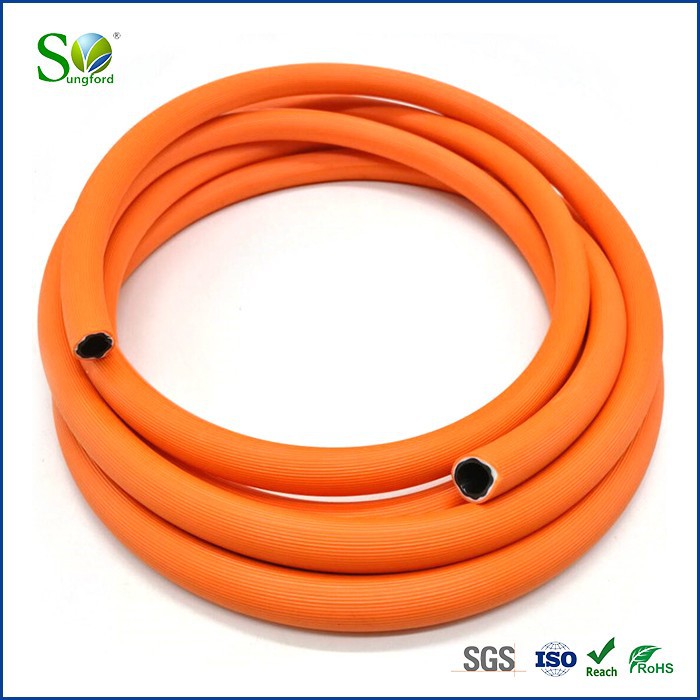
- Use high-quality gas hoses and fittings: Invest in good-quality gas hoses and fittings that are designed for the type of gas you're using. Cheap or inferior products can increase the risk of gas leaks and other problems.
- Inspect the gas hoses regularly: Check the gas hoses for any signs of wear and tear, such as cracks, holes, or bulges. Replace the hoses if they're damaged.
- Keep the gas hoses away from heat sources: Gas hoses can be damaged by heat, so make sure to keep them away from hot surfaces, flames, and other heat sources.
- Have your gas system serviced regularly: It's a good idea to have your gas system serviced by a professional gas fitter at least once a year. They can check for any potential problems and make sure your gas system is safe and working properly.
In conclusion, connecting multiple appliances to a single gas hose is possible, but it requires careful planning and proper installation. By following the tips and guidelines outlined in this blog, you can do it safely and effectively. If you have any questions or need further assistance, don't hesitate to reach out to me. I'm here to help you find the right gas hoses and fittings for your needs. Whether you're a homeowner looking to connect a few appliances in your kitchen or a business owner in need of a more complex gas system, I've got you covered. So, if you're interested in purchasing gas hoses or have any questions about our products, feel free to contact me for a quote or to discuss your requirements. I look forward to working with you!
References:
- Gas Safety Regulations and Guidelines
- Manufacturer's Instructions for Gas Hoses and Appliances