

Hey there! As a PVC air hose supplier, I've been in the business long enough to know that testing the pressure-holding capacity of a PVC air hose is super important. Whether you're using a High Pressure PVC Air Hose, a Compressor PVC Air Hose, or a Pneumatic PVC Air Hose, making sure it can handle the pressure is crucial for safety and performance.
Why Test the Pressure-Holding Capacity?
First off, let's talk about why we even need to test the pressure-holding capacity. Well, if a PVC air hose can't hold the pressure it's supposed to, it can lead to all sorts of problems. For one, it can cause leaks. Leaks not only waste air but can also reduce the efficiency of your pneumatic system. If you're using the hose in an industrial setting, that can mean lost productivity and higher costs.
Secondly, a hose that fails under pressure can be dangerous. It could burst, sending pieces of hose flying around. This could potentially injure workers or damage equipment. So, testing the pressure-holding capacity is a key step in ensuring the safety of everyone using the hose.
Tools You'll Need
Before you start testing, you'll need to gather a few tools. Here's what you'll typically need:
- Pressure gauge: This is essential for measuring the pressure inside the hose. Make sure it's accurate and calibrated.
- Pressure source: You'll need a way to apply pressure to the hose. This could be an air compressor or a pressure pump.
- Sealing fittings: These are used to seal the ends of the hose to prevent air from escaping during the test.
- Safety equipment: Safety goggles and gloves are a must to protect yourself in case the hose fails during the test.
Preparing the Hose for Testing
Once you have your tools ready, it's time to prepare the hose for testing. First, inspect the hose for any visible damage. Look for cuts, abrasions, or signs of wear. If you find any damage, the hose should not be tested and should be replaced.
Next, clean the hose thoroughly. Any dirt or debris inside the hose could affect the test results. You can use compressed air to blow out any loose particles.
After cleaning, attach the sealing fittings to the ends of the hose. Make sure they are tightened securely to prevent leaks.
Conducting the Test
Now it's time to conduct the test. Here's a step-by-step guide:
- Connect the pressure gauge: Attach the pressure gauge to one end of the hose. Make sure it's connected securely and that there are no leaks around the connection.
- Connect the pressure source: Connect the pressure source to the other end of the hose. Again, ensure a secure connection to prevent leaks.
- Apply pressure gradually: Start applying pressure to the hose slowly. Monitor the pressure gauge closely as you do this. You don't want to apply too much pressure too quickly, as this could cause the hose to fail prematurely.
- Reach the test pressure: Once the pressure reaches the recommended test pressure for the hose, hold it there for a specified period of time. This could be anywhere from a few minutes to an hour, depending on the type of hose and the testing standards.
- Monitor for leaks: While the pressure is being held, carefully inspect the hose for any signs of leaks. Look for bubbles or hissing sounds, which could indicate a leak.
- Release the pressure: After the specified time has passed, slowly release the pressure from the hose. Make sure to do this gradually to avoid any sudden pressure changes that could damage the hose.
Interpreting the Results
Once the test is complete, it's time to interpret the results. If there were no leaks and the hose held the pressure throughout the test, it passed the test. This means the hose is in good condition and can be used safely.
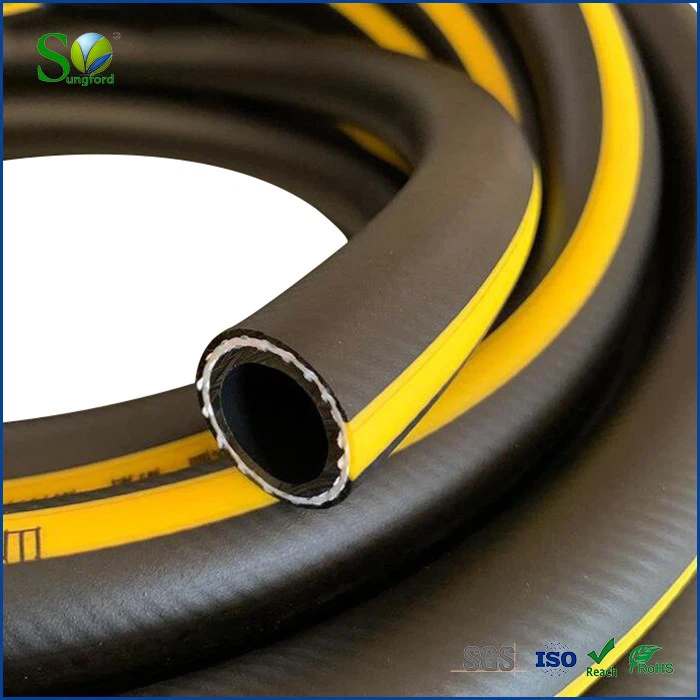

However, if there were leaks or the hose failed under pressure, it did not pass the test. In this case, the hose should be replaced immediately. It's not safe to use a hose that has failed a pressure test.
Factors Affecting Pressure-Holding Capacity
There are several factors that can affect the pressure-holding capacity of a PVC air hose. These include:
- Temperature: PVC is sensitive to temperature. High temperatures can cause the hose to become softer and more prone to failure under pressure. On the other hand, low temperatures can make the hose more brittle.
- Age and usage: Over time, the material of the hose can degrade due to normal wear and tear. The more the hose is used, the more likely it is to experience a decrease in pressure-holding capacity.
- Chemical exposure: If the hose is exposed to certain chemicals, it can cause the material to deteriorate. This can weaken the hose and reduce its ability to hold pressure.
Regular Testing and Maintenance
Testing the pressure-holding capacity of your PVC air hoses should not be a one-time thing. It's important to test them regularly as part of your maintenance routine. How often you test will depend on factors such as how often the hoses are used and the conditions they are used in.
In addition to regular testing, proper maintenance is also crucial. This includes storing the hoses properly when not in use, keeping them clean, and avoiding exposure to harsh chemicals and extreme temperatures.
Conclusion
Testing the pressure-holding capacity of a PVC air hose is an important part of ensuring its safety and performance. By following the steps outlined in this blog post, you can conduct a thorough test and determine whether your hose is in good condition.
If you're in the market for high-quality PVC air hoses, we've got you covered. We offer a wide range of hoses, including High Pressure PVC Air Hose, Compressor PVC Air Hose, and Pneumatic PVC Air Hose. Our hoses are tested to ensure they meet the highest standards of quality and performance.
If you're interested in purchasing our PVC air hoses or have any questions about testing or maintenance, feel free to reach out to us. We're here to help you find the right hose for your needs and ensure its proper use.
References
- ASTM International. (20XX). Standard test methods for rubber and plastics hoses and hose assemblies.
- Manufacturer's guidelines for PVC air hoses.