

Maintaining a gas hose is crucial for ensuring safety, efficiency, and longevity in various applications. As a gas hose supplier, I understand the significance of proper maintenance and the role it plays in the performance of these essential components. In this blog, I'll share some expert tips on how to maintain a gas hose effectively.
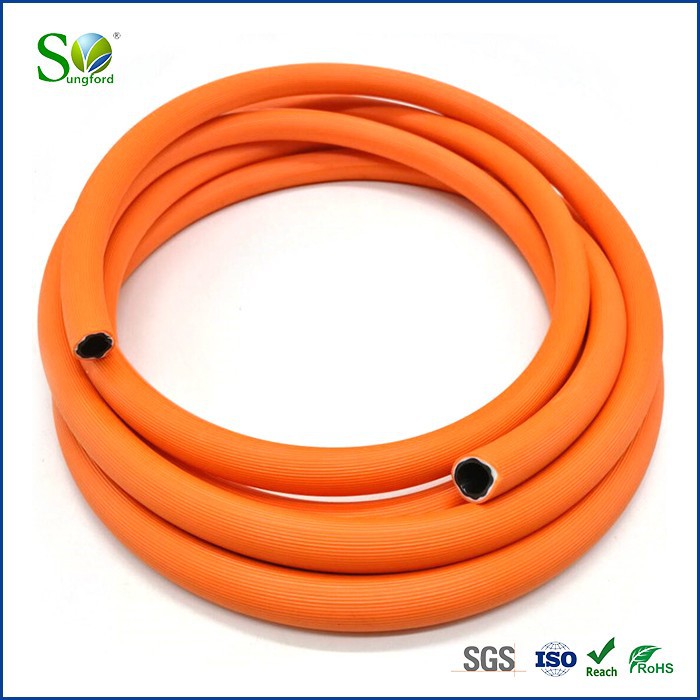

Regular Visual Inspections
The first step in maintaining a gas hose is to conduct regular visual inspections. This simple yet effective practice can help you identify potential issues before they escalate into serious problems. Start by checking the entire length of the hose for any signs of damage, such as cuts, abrasions, cracks, or bulges. Pay close attention to the areas near the connectors, as these are often the most vulnerable parts of the hose.
Look for any signs of wear and tear, including fraying or thinning of the hose material. If you notice any of these issues, it's important to replace the hose immediately to prevent gas leaks and potential safety hazards. Additionally, check the connectors for any signs of corrosion or damage. Make sure they are securely attached to the hose and that there are no loose or missing parts.
Cleaning and Degreasing
Over time, gas hoses can accumulate dirt, debris, and grease, which can affect their performance and lifespan. To keep your gas hose in top condition, it's important to clean it regularly. Use a mild detergent and warm water to gently clean the exterior of the hose. Avoid using harsh chemicals or abrasive cleaners, as these can damage the hose material.
After cleaning, rinse the hose thoroughly with clean water to remove any soap residue. Dry the hose completely before storing it to prevent the growth of mold and mildew. If the hose is particularly dirty or greasy, you may need to use a degreaser to remove the stubborn stains. However, make sure to choose a degreaser that is safe for use on gas hoses and follow the manufacturer's instructions carefully.
Proper Storage
Proper storage is essential for maintaining the integrity of a gas hose. When not in use, store the hose in a cool, dry place away from direct sunlight and heat sources. Exposure to extreme temperatures can cause the hose material to deteriorate over time, leading to cracks and leaks.
Avoid storing the hose in a tightly coiled position for extended periods, as this can cause kinks and damage to the hose. Instead, store the hose in a loose, straight position or use a hose reel to keep it organized. If you need to transport the hose, make sure to protect it from sharp objects and rough surfaces to prevent damage.
Pressure Testing
Periodic pressure testing is an important part of gas hose maintenance. This test helps to ensure that the hose can withstand the pressure of the gas flowing through it without leaking or bursting. Pressure testing should be performed by a qualified professional using specialized equipment.
The frequency of pressure testing depends on the type of gas hose and its application. In general, it's recommended to have the hose pressure tested at least once a year or more frequently if it is used in a high-pressure or critical application. If the hose fails the pressure test, it should be replaced immediately to avoid potential safety risks.
Connector Maintenance
The connectors on a gas hose are just as important as the hose itself. They play a crucial role in ensuring a secure and leak-free connection between the hose and the gas source or appliance. To maintain the connectors, make sure to keep them clean and free of debris.
Inspect the connectors regularly for any signs of wear, corrosion, or damage. If you notice any issues, replace the connectors immediately. When connecting or disconnecting the hose, make sure to use the correct tools and follow the manufacturer's instructions carefully. Over-tightening the connectors can cause damage to the hose or the connectors themselves, while under-tightening can result in gas leaks.
Compatibility with Gas Type
It's important to ensure that the gas hose you are using is compatible with the type of gas it will be carrying. Different gases have different properties and requirements, and using an incompatible hose can lead to serious safety issues.
For example, Natural LPG Gas Hose is designed specifically for use with natural gas and liquefied petroleum gas (LPG). These hoses are made from materials that are resistant to the corrosive effects of these gases and can withstand the pressure and temperature conditions associated with their use.
Similarly, PVC Gas Hose is another type of gas hose that is commonly used for various applications. PVC hoses are lightweight, flexible, and resistant to many chemicals, making them suitable for a wide range of gas types. However, it's important to check the manufacturer's specifications to ensure that the PVC hose is compatible with the specific gas you will be using.
Training and Education
Proper maintenance of a gas hose requires knowledge and skills. It's important to provide training and education to anyone who will be using or maintaining the gas hoses. This includes employees, contractors, and end-users.
Training should cover topics such as proper handling, storage, inspection, and maintenance of gas hoses. It should also include information on the potential hazards associated with gas hoses and how to prevent them. By providing comprehensive training, you can ensure that everyone involved in the use and maintenance of gas hoses understands their responsibilities and knows how to do their jobs safely and effectively.
Conclusion
Maintaining a gas hose is not only important for safety but also for the efficient and reliable operation of your gas system. By following these simple yet effective maintenance tips, you can extend the lifespan of your gas hoses, prevent gas leaks, and ensure the safety of your employees, customers, and the environment.
As a gas hose supplier, we are committed to providing high-quality gas hoses and comprehensive support to our customers. If you have any questions or need further information on gas hose maintenance, please don't hesitate to contact us. We are here to help you make the right choices and ensure the proper maintenance of your gas hoses. Whether you are looking for a Natural LPG Gas Hose or a PVC Gas Hose, we have the expertise and products to meet your needs. Reach out to us today to discuss your requirements and explore the best solutions for your gas hose applications.
References
- "Gas Hose Safety Guidelines," National Fire Protection Association.
- "Maintenance and Inspection of Gas Hoses," Occupational Safety and Health Administration.
- Manufacturer's manuals and specifications for gas hoses.