

Are there any alternatives to hose clamps? Well, as a supplier of Hose Clampls, I've had my fair share of customers asking this question. So, let's dive right in and explore the options out there.
First off, let's talk about what hose clamps are and why they're so commonly used. Hose clamps are those little devices that you use to secure hoses onto fittings. They're super handy because they provide a tight, reliable seal that keeps fluids or gases from leaking out. Whether you're working on a car, a boat, or even some industrial equipment, hose clamps are often the go-to solution.
But, as with anything, there are times when hose clamps might not be the best fit. Maybe you're in a tight space and can't easily get a clamp on. Or perhaps you need a more permanent solution that won't come loose over time. That's when you start looking for alternatives.
One alternative that comes to mind is hose couplings. Hose Couplings are designed to connect two hoses or a hose to a fitting. They come in a variety of styles, like threaded couplings, quick-connect couplings, and push-to-connect couplings. Threaded couplings are great for applications where you need a really tight seal. You just screw them on, and they hold everything in place. Quick-connect couplings, on the other hand, are all about speed. You can connect and disconnect them in a flash, which is perfect for situations where you need to make frequent changes. Push-to-connect couplings are also super easy to use. You just push the hose onto the coupling, and it locks in place.
Another option is adhesive bonding. This involves using a special adhesive to bond the hose to the fitting. It can be a great alternative if you need a permanent, leak-proof seal. The adhesive creates a strong bond between the two surfaces, so there's no chance of the hose coming loose. However, it's important to choose the right adhesive for the job. You need one that's compatible with the materials of the hose and the fitting, and that can withstand the temperature and pressure conditions of your application.
Then there's welding. This is a more permanent solution that's often used in industrial settings. Welding involves melting the metal of the hose and the fitting together to create a single, solid piece. It provides an extremely strong and leak-proof connection. But, it's also a more complex and expensive process. You need specialized equipment and trained personnel to do it properly.
Mechanical fasteners are another alternative. These include things like bolts, nuts, and screws. You can use them to secure the hose to the fitting by creating a mechanical connection. They're relatively easy to install and can provide a strong hold. However, they might not be as effective at preventing leaks as some of the other options.
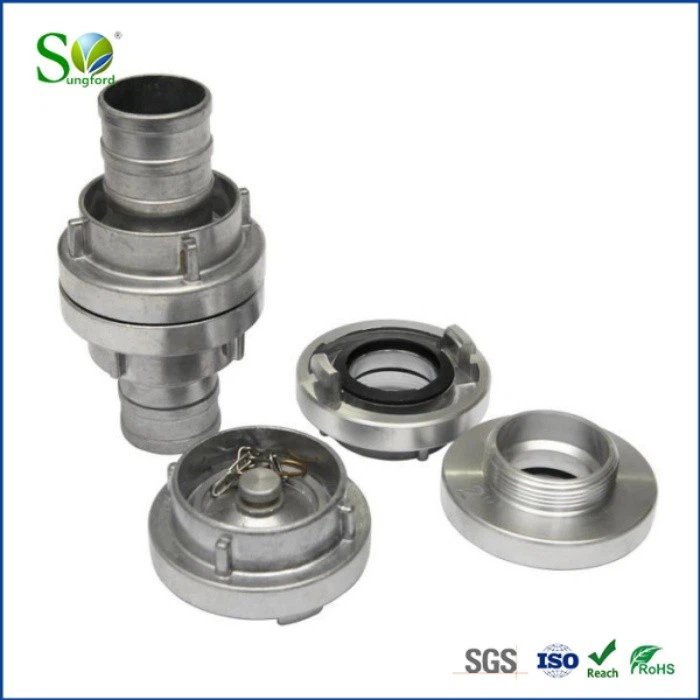
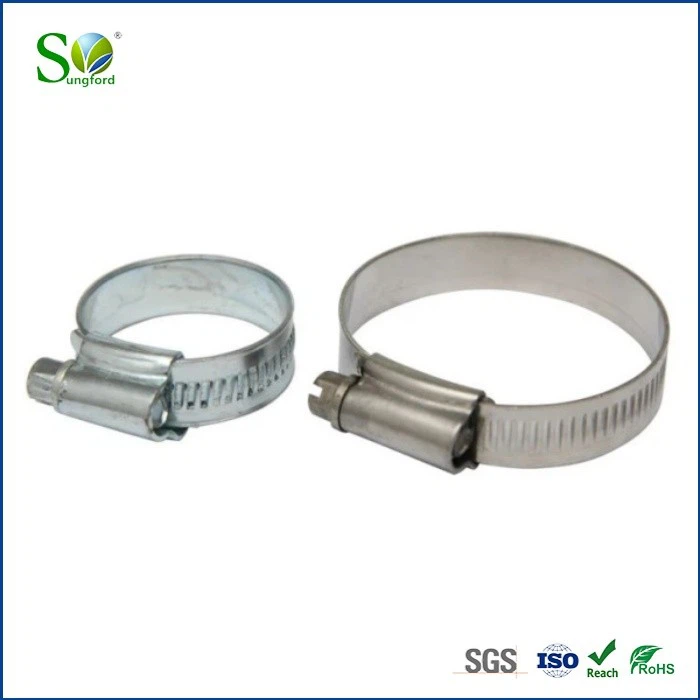
Now, let's talk about the pros and cons of each alternative compared to hose clamps. Hose couplings are great because they're easy to install and remove. They also come in a wide range of styles and sizes, so you can find the perfect one for your application. However, they might not be as secure as hose clamps in some situations. Adhesive bonding provides a very strong and permanent seal, but it can be difficult to remove if you need to make changes later. Welding is extremely strong and leak-proof, but it's expensive and requires specialized skills. Mechanical fasteners are easy to use, but they might not provide the same level of sealing as hose clamps.
So, when should you choose an alternative to hose clamps? Well, if you're in a tight space and can't easily install a clamp, a quick-connect or push-to-connect coupling might be a better option. If you need a permanent, leak-proof seal, adhesive bonding or welding could be the way to go. And if you're looking for a simple, mechanical solution, mechanical fasteners might work for you.
But, let's not forget about the benefits of hose clamps. They're inexpensive, easy to install, and can be adjusted or removed if needed. They're also available in a wide range of sizes and styles, so you can find the perfect one for your application. Plus, as a Hose Clampls supplier, I can offer you high-quality products at competitive prices.
In conclusion, while there are alternatives to hose clamps, they still have their place in many applications. Whether you choose a hose clamp or an alternative depends on your specific needs and the requirements of your project. If you're not sure which option is best for you, don't hesitate to reach out. I'm here to help you make the right decision and provide you with the products you need.
If you're interested in purchasing Hose Clampls or Hose Couplings, or if you have any questions about alternatives to hose clamps, feel free to contact me. I'd be more than happy to discuss your needs and help you find the perfect solution.
References
- General knowledge of industrial fastening and sealing solutions
- Industry standards and best practices for hose connections