

As a supplier of PVC air hoses, I understand the importance of ensuring the integrity of these hoses for optimal performance. Leaks in a PVC air hose can lead to a variety of issues, including reduced efficiency, increased energy consumption, and potential safety hazards. In this blog post, I'll share some effective methods for detecting leaks in a PVC air hose, drawing on my experience in the industry.
Visual Inspection
The first step in detecting leaks in a PVC air hose is a thorough visual inspection. Start by examining the entire length of the hose for any visible signs of damage, such as cuts, abrasions, or cracks. Pay close attention to the areas near the fittings, as these are often the most vulnerable points. Look for any signs of wear and tear, such as fraying or bulging, which could indicate a potential leak.
In addition to physical damage, check for any signs of air leakage, such as hissing sounds or the presence of bubbles if the hose is submerged in water. If you notice any of these signs, it's likely that there is a leak in the hose. Mark the location of the suspected leak with a piece of tape or a marker for further inspection.
Pressure Testing
Pressure testing is a more accurate method for detecting leaks in a PVC air hose. To perform a pressure test, you'll need a pressure gauge and a way to pressurize the hose. Start by disconnecting the hose from the air source and blocking off one end of the hose. Then, attach the pressure gauge to the other end of the hose and gradually increase the pressure to the recommended operating pressure for the hose.
Once the hose is pressurized, monitor the pressure gauge for any signs of a drop in pressure. If the pressure drops over time, it's a clear indication that there is a leak in the hose. To pinpoint the location of the leak, you can use a soapy water solution. Apply the soapy water to the entire length of the hose, paying close attention to the areas near the fittings and any areas where you suspect a leak. If there is a leak, the soapy water will form bubbles at the site of the leak.
Ultrasonic Leak Detection
Ultrasonic leak detection is a non-invasive method for detecting leaks in a PVC air hose. This method uses an ultrasonic detector to detect the high-frequency sound waves produced by air escaping from a leak. To perform an ultrasonic leak detection test, you'll need an ultrasonic detector and a way to pressurize the hose.

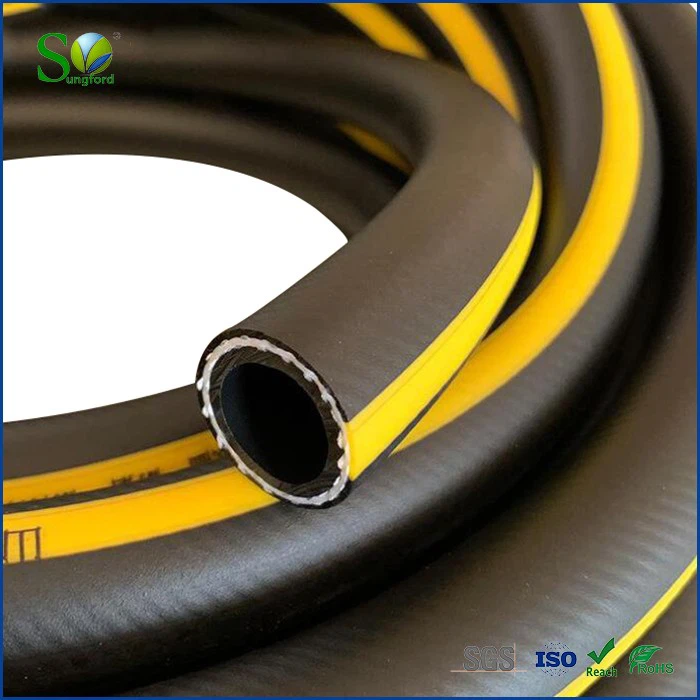
Start by pressurizing the hose to the recommended operating pressure. Then, use the ultrasonic detector to scan the entire length of the hose, paying close attention to the areas near the fittings and any areas where you suspect a leak. The ultrasonic detector will emit a signal when it detects the high-frequency sound waves produced by air escaping from a leak. Mark the location of the suspected leak with a piece of tape or a marker for further inspection.
Thermal Imaging
Thermal imaging is another non-invasive method for detecting leaks in a PVC air hose. This method uses a thermal imaging camera to detect the temperature differences caused by air escaping from a leak. To perform a thermal imaging test, you'll need a thermal imaging camera and a way to pressurize the hose.
Start by pressurizing the hose to the recommended operating pressure. Then, use the thermal imaging camera to scan the entire length of the hose, paying close attention to the areas near the fittings and any areas where you suspect a leak. The thermal imaging camera will detect the temperature differences caused by air escaping from a leak, which will appear as a hot spot on the thermal image. Mark the location of the suspected leak with a piece of tape or a marker for further inspection.
Preventing Leaks in PVC Air Hoses
In addition to detecting leaks in PVC air hoses, it's important to take steps to prevent leaks from occurring in the first place. Here are some tips for preventing leaks in PVC air hoses:
- Choose the right hose for the application: Make sure you choose a PVC air hose that is suitable for the specific application. Consider factors such as the operating pressure, temperature, and chemical compatibility.
- Install the hose correctly: Follow the manufacturer's instructions for installing the hose. Make sure the fittings are tightened properly and that the hose is not kinked or twisted.
- Inspect the hose regularly: Perform regular visual inspections of the hose to check for any signs of damage or wear. Replace the hose if you notice any signs of damage or wear.
- Store the hose properly: When not in use, store the hose in a cool, dry place away from direct sunlight and heat sources.
Conclusion
Detecting leaks in a PVC air hose is an important part of maintaining the performance and safety of your air system. By following the methods outlined in this blog post, you can effectively detect leaks in your PVC air hoses and take steps to prevent them from occurring in the future.
If you're in the market for high-quality PVC air hoses, we offer a wide range of products to meet your needs. Our Pneumatic PVC Air Hose, High Pressure PVC Air Hose, and Compressor PVC Air Hose are all designed to provide reliable performance and durability.
If you have any questions or would like to discuss your specific requirements, please don't hesitate to contact us. We're here to help you find the right PVC air hose for your application and ensure that it performs at its best.
References
- ASME PTC 19.2-2018, "Fluid Meters - Part 2: Pressure and Temperature Measurements"
- ISO 5167-1:2016, "Measurement of fluid flow by means of pressure differential devices inserted in circular cross-section conduits running full - Part 1: General principles and requirements"
- NFPA 99-2021, "Health Care Facilities Code"