

As a seasoned hose clamps supplier, I've witnessed firsthand the common issue of hose damage when using hose clamps. It's a problem that not only leads to additional costs but also disrupts operations. In this blog, I'll share some practical tips on how to avoid damaging the hose when using hose clamps, based on my years of experience in the industry.
Understanding the Basics of Hose and Hose Clamps
Before we dive into the prevention methods, it's essential to understand the nature of hoses and hose clamps. Hoses come in various materials such as rubber, PVC, and silicone, each with its own set of properties. Rubber hoses, for example, are flexible and resistant to abrasion, while PVC hoses are lightweight and cost - effective.
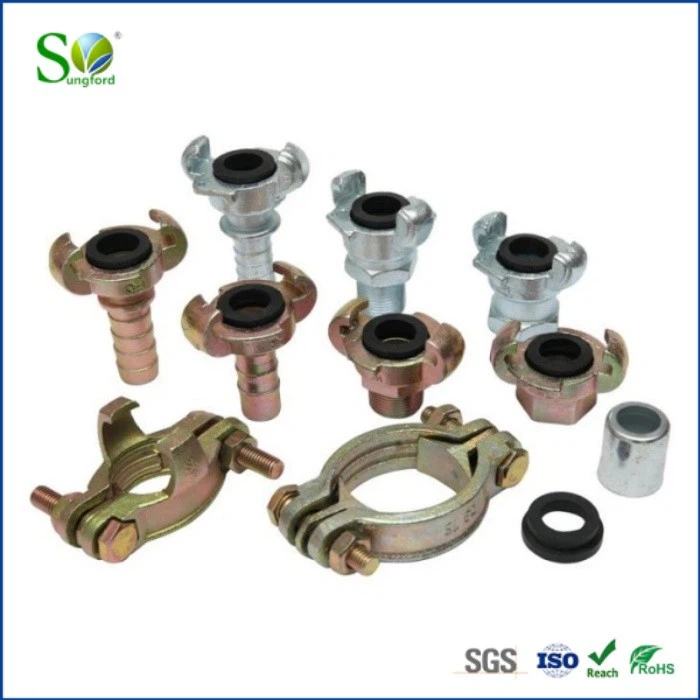
Hose clamps, on the other hand, are used to secure hoses onto fittings. There are different types of hose clamps, including worm drive clamps, spring clamps, and T - bolt clamps. Each type has its own advantages and is suitable for different applications. You can find a wide range of Hose Clampls on our website.
Selecting the Right Hose Clamp
One of the most crucial steps in avoiding hose damage is selecting the right hose clamp for the job. The size of the hose clamp should match the outer diameter of the hose. If the clamp is too small, it will apply excessive pressure on the hose, leading to crushing and cracking. On the other hand, if the clamp is too large, it won't provide a secure fit, and the hose may slip off.
When choosing a hose clamp, consider the application environment. For high - pressure applications, a T - bolt clamp may be more suitable as it can provide a stronger and more uniform clamping force. For low - pressure applications, a worm drive clamp may be sufficient. Also, pay attention to the material of the hose clamp. Stainless steel clamps are corrosion - resistant and are ideal for use in harsh environments, while plastic clamps are lightweight and cost - effective for less demanding applications.
Proper Installation of Hose Clamps
Proper installation is key to preventing hose damage. Here are some steps to follow during the installation process:

1. Prepare the Hose and Fitting
Before installing the hose clamp, make sure the hose and the fitting are clean and free of debris. Any dirt or foreign particles between the hose and the fitting can cause abrasion and damage to the hose. Inspect the hose for any signs of damage, such as cuts or cracks, and replace it if necessary.
2. Position the Hose Clamp Correctly
Place the hose clamp on the hose at the appropriate location. The clamp should be centered over the fitting to ensure a uniform clamping force. Avoid placing the clamp too close to the end of the hose, as this can cause the hose to fold or buckle.
3. Tighten the Clamp Gradually
When tightening the hose clamp, use the appropriate tool. For worm drive clamps, a screwdriver or a clamp tightening tool can be used. Tighten the clamp gradually in a circular motion, applying even pressure. Avoid over - tightening the clamp, as this can cause damage to the hose. A good rule of thumb is to tighten the clamp until it is snug but not overly tight. You can test the tightness by trying to move the hose slightly. If the hose doesn't move, the clamp is tightened enough.
Avoiding Over - Tightening
Over - tightening is one of the most common causes of hose damage. When a hose clamp is over - tightened, it can cause the hose to deform, crack, or even burst. To avoid over - tightening, use a torque wrench if possible. A torque wrench allows you to apply a specific amount of torque, ensuring that the clamp is tightened to the correct level.
If a torque wrench is not available, you can use your judgment. As mentioned earlier, tighten the clamp until it is snug, and then give it a little extra turn. However, be careful not to overdo it. If you notice any signs of deformation or cracking on the hose during the tightening process, loosen the clamp immediately and re - evaluate the situation.
Protecting the Hose Surface
In some cases, the hose clamp itself can cause damage to the hose surface. To prevent this, you can use a protective sleeve or a gasket between the hose and the clamp. A protective sleeve made of a soft material such as rubber or silicone can act as a buffer, reducing the friction between the clamp and the hose.
Another way to protect the hose surface is to use hose clamps with a smooth inner surface. Some hose clamps have serrated or rough inner surfaces, which can cause abrasion to the hose. By choosing clamps with a smooth inner surface, you can minimize the risk of surface damage.
Regular Inspection and Maintenance
Regular inspection and maintenance are essential to ensure the long - term integrity of the hose and the hose clamp. Inspect the hose and the clamp periodically for any signs of wear, damage, or corrosion. Look for cracks, leaks, or loose clamps. If any issues are found, replace the damaged parts immediately.
During the inspection, also check the tightness of the hose clamp. Over time, the clamp may loosen due to vibration or temperature changes. If the clamp is loose, tighten it to the correct level. Additionally, clean the hose and the clamp regularly to remove any dirt or debris that may accumulate on the surface.
Compatibility with Hose Couplings
Hose couplings are another important component in a hose system. It's crucial to ensure that the hose clamps are compatible with the hose couplings. Incompatible components can lead to improper sealing and increased stress on the hose, which can ultimately cause damage. You can find a variety of Hose Couplings on our website that are designed to work well with our hose clamps.
When selecting hose couplings, consider the same factors as you do for hose clamps, such as size, material, and application environment. Make sure that the outer diameter of the coupling matches the inner diameter of the hose and that the clamp can provide a secure fit around the coupling.
Conclusion
Avoiding hose damage when using hose clamps requires a combination of proper selection, installation, and maintenance. By following the tips outlined in this blog, you can significantly reduce the risk of hose damage, ensuring the reliability and longevity of your hose system.
If you're in the market for high - quality hose clamps or have any questions about hose system installation and maintenance, don't hesitate to contact us. Our team of experts is ready to assist you in finding the right solutions for your specific needs. We offer a wide range of Hose Clampls and Hose Couplings that are designed to meet the highest standards of quality and performance.
References
- Industry Standards for Hose and Hose Fittings
- Manufacturer's Guidelines for Hose Clamps and Couplings
- Technical Papers on Hose System Design and Maintenance