

When it comes to soda fountain machines, the choice of hoses is crucial for ensuring the quality and safety of the beverages dispensed. As a supplier of PVC food grade hoses, I often receive inquiries about whether PVC food grade hoses can be used in soda fountain machines. In this blog post, I will delve into this topic, exploring the suitability of PVC food grade hoses for soda fountain applications, their advantages, potential concerns, and more.
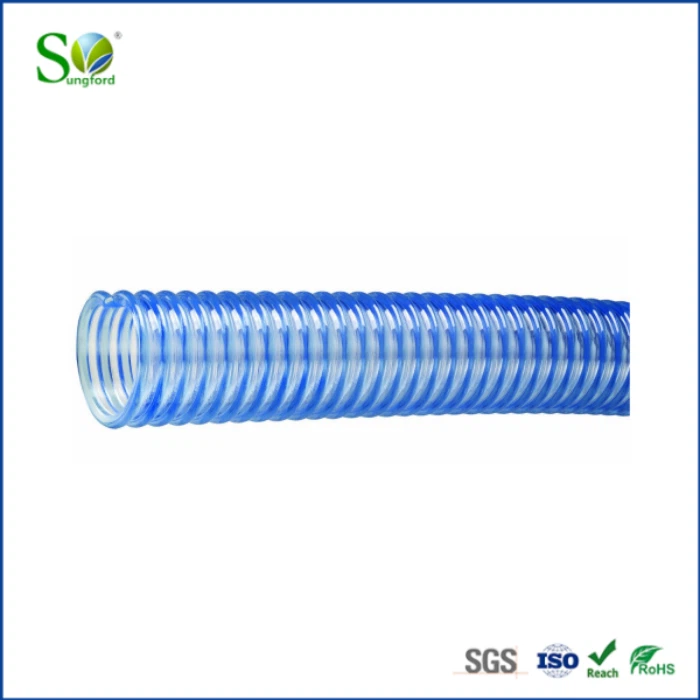

Understanding PVC Food Grade Hoses
PVC, or polyvinyl chloride, is a widely used plastic material known for its versatility, durability, and cost - effectiveness. Food grade PVC hoses are specifically designed and manufactured to meet strict safety and quality standards for use in contact with food and beverages. These hoses are typically made from high - quality PVC resins that are free from harmful substances such as lead, cadmium, and phthalates, which could potentially leach into the food or drink products.
Our company offers a range of PVC food grade hoses, including Food Grade Clear Vinyl Tubing, Food Grade PVC Handling Suction Hose, and Food Grade PVC Steel Wire Hose. Each type of hose has its own unique features and is suitable for different applications.
Suitability of PVC Food Grade Hoses in Soda Fountain Machines
Advantages
- Chemical Resistance: Soda fountain machines dispense a variety of carbonated beverages, which often contain acids, sugars, and other chemicals. PVC food grade hoses have good chemical resistance, which means they can withstand the corrosive effects of these substances without degrading or releasing harmful contaminants into the drinks. For example, they can resist the acidic nature of cola drinks, which typically have a pH of around 2.5 - 3.5.
- Transparency: Many of our PVC food grade hoses, such as the Food Grade Clear Vinyl Tubing, are transparent. This transparency allows operators to easily monitor the flow of the beverages through the hoses, detect any blockages or air bubbles, and ensure that the dispensing process is running smoothly.
- Flexibility: PVC hoses are inherently flexible, which makes them easy to install in soda fountain machines. They can be bent and routed around various components of the machine without kinking, ensuring a continuous and unrestricted flow of the beverages.
- Cost - Effectiveness: Compared to some other types of hoses, such as stainless - steel or silicone hoses, PVC food grade hoses are generally more cost - effective. This makes them an attractive option for soda fountain machine operators who are looking to keep their operating costs down without compromising on quality and safety.
Potential Concerns
- Temperature Sensitivity: PVC hoses can be sensitive to extreme temperatures. In soda fountain machines, the beverages are often chilled, and if the hoses are exposed to very low temperatures for an extended period, they may become brittle and more prone to cracking. However, our PVC food grade hoses are designed to have a certain degree of temperature tolerance, and they can typically withstand the normal operating temperatures of soda fountain machines.
- Long - Term Exposure to Carbonation: Over time, the constant exposure to carbonated beverages may cause some minor changes in the PVC material. For example, there could be a slight loss of flexibility or a change in the surface properties of the hose. However, these changes are usually minimal and do not significantly affect the performance or safety of the hoses as long as they are used within the recommended parameters.
Quality and Safety Standards
To ensure that our PVC food grade hoses are suitable for use in soda fountain machines, we adhere to strict quality and safety standards. Our hoses are manufactured in compliance with international food safety regulations, such as the FDA (Food and Drug Administration) in the United States and the EU (European Union) food contact regulations. These regulations set limits on the migration of substances from the hoses into the food or beverages, ensuring that the hoses do not pose any health risks to consumers.
We also conduct regular quality control tests on our hoses, including tests for chemical composition, physical properties, and microbiological contamination. This ensures that every hose that leaves our factory meets the highest standards of quality and safety.
Installation and Maintenance
Proper installation and maintenance are essential for the optimal performance of PVC food grade hoses in soda fountain machines. When installing the hoses, it is important to ensure that they are cut to the correct length, properly connected to the machine's components, and secured firmly to prevent leaks.
Regular maintenance is also crucial. This includes cleaning the hoses at regular intervals to remove any residue or contaminants that may accumulate inside. We recommend using mild detergents and warm water for cleaning, followed by a thorough rinse to ensure that no cleaning agents are left behind.
Conclusion
In conclusion, PVC food grade hoses can be a suitable choice for use in soda fountain machines. They offer a range of advantages, including chemical resistance, transparency, flexibility, and cost - effectiveness. While there are some potential concerns, such as temperature sensitivity and long - term exposure to carbonation, these can be managed through proper selection, installation, and maintenance of the hoses.
If you are in the market for high - quality PVC food grade hoses for your soda fountain machines, we invite you to explore our product range, including Food Grade Clear Vinyl Tubing, Food Grade PVC Handling Suction Hose, and Food Grade PVC Steel Wire Hose. We are committed to providing our customers with the best products and services. If you have any questions or would like to discuss your specific requirements, please feel free to contact us for a procurement negotiation.
References
- "Food Contact Materials: Regulations and Testing" by International Organization for Standardization (ISO)
- "FDA Food Contact Substances Notification Program" by the U.S. Food and Drug Administration
- "European Union Food Contact Regulations" by the European Commission