

As a seasoned gas hose supplier, I've had numerous inquiries regarding the temperature range suitable for gas hoses. Understanding this critical aspect is fundamental for ensuring both the safety and efficiency of gas systems. In this blog post, I'll delve into the details of the temperature range for gas hoses, the factors influencing it, and why it matters.
Understanding the Basics of Gas Hose Temperature Range
The temperature range of a gas hose refers to the minimum and maximum temperatures within which the hose can operate safely and effectively. This range is determined by several factors, including the materials used in the hose construction, the type of gas being transported, and the intended application.
Most gas hoses are designed to withstand a wide range of temperatures, but it's essential to note that extreme temperatures can significantly impact their performance. At low temperatures, the materials in the hose can become brittle, increasing the risk of cracking and leakage. On the other hand, high temperatures can cause the hose to soften, leading to deformation and potential failure.
Factors Affecting the Temperature Range
Material Composition
The materials used in gas hose manufacturing play a crucial role in determining its temperature resistance. Different polymers and rubber compounds have varying thermal properties, which directly affect the hose's ability to withstand temperature extremes.
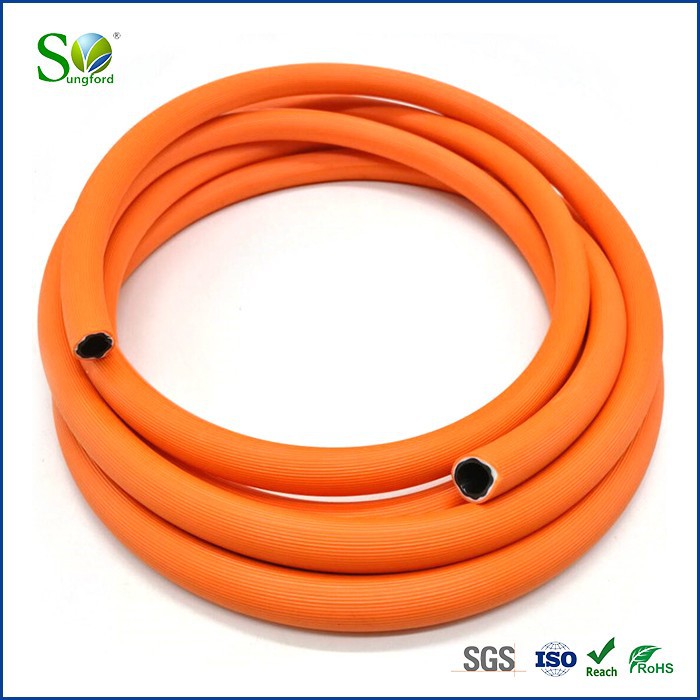

- PVC (Polyvinyl Chloride): PVC gas hoses are known for their affordability and versatility. They typically have a temperature range of -20°C to 60°C (-4°F to 140°F). PVC is a popular choice for many applications due to its resistance to chemicals and abrasion. However, it may not be suitable for high-temperature environments. You can learn more about PVC Gas Hose on our website.
- Natural Rubber: Natural rubber hoses offer good flexibility and resilience at moderate temperatures. They usually have a temperature range of -30°C to 80°C (-22°F to 176°F). While natural rubber provides excellent sealing properties, it may degrade over time when exposed to ozone and certain chemicals.
- Synthetic Rubbers: Synthetic rubbers, such as nitrile rubber (NBR) and ethylene propylene diene monomer (EPDM), are designed to offer superior temperature resistance compared to natural rubber. NBR hoses can withstand temperatures ranging from -40°C to 120°C (-40°F to 248°F), making them suitable for applications involving oils and fuels. EPDM hoses, on the other hand, have a temperature range of -50°C to 150°C (-58°F to 302°F) and are highly resistant to weathering, ozone, and UV radiation.
Gas Type
The type of gas being transported through the hose also influences its temperature range. Different gases have different physical and chemical properties, which can interact with the hose materials in various ways.
- Natural Gas: Natural gas is primarily composed of methane and is typically transported at relatively low pressures and temperatures. Gas hoses used for natural gas applications usually have a temperature range similar to that of the hose material itself. However, it's important to ensure that the hose is compatible with any additives or impurities present in the natural gas.
- LPG (Liquefied Petroleum Gas): LPG consists mainly of propane and butane and is stored and transported as a liquid under pressure. LPG hoses need to be able to withstand the cold temperatures associated with the vaporization process. They also need to be resistant to the solvents and lubricants present in LPG. Our Natural LPG Gas Hose is specifically designed to meet the requirements of LPG applications.
Application Environment
The environment in which the gas hose is used can have a significant impact on its temperature range. Factors such as exposure to sunlight, heat sources, and cold weather can all affect the hose's performance.
- Indoor Applications: In indoor settings, the temperature is generally more stable, and gas hoses are less likely to be exposed to extreme temperatures. However, it's still important to ensure that the hose is installed away from heat sources, such as furnaces and boilers, to prevent overheating.
- Outdoor Applications: Outdoor gas hoses are exposed to a wider range of temperatures and environmental conditions. They need to be able to withstand sunlight, rain, snow, and temperature fluctuations. In cold climates, it's crucial to use hoses with a low-temperature rating to prevent cracking and leakage.
Why Temperature Range Matters
Ensuring that the gas hose operates within its specified temperature range is essential for several reasons:
Safety
Operating a gas hose outside its temperature range can compromise its structural integrity, increasing the risk of gas leaks and potential explosions. Cracks and holes in the hose can allow gas to escape, posing a serious safety hazard to people and property.
Performance
Extreme temperatures can affect the flexibility, durability, and sealing properties of the gas hose. A hose that is too cold may become stiff and difficult to bend, while a hose that is too hot may lose its shape and develop leaks. By operating within the recommended temperature range, the hose can maintain its performance and ensure a reliable gas supply.
Compliance
Many industry standards and regulations specify the temperature requirements for gas hoses. Using a hose that does not meet these requirements can result in non-compliance and potential legal issues. It's important to choose a gas hose that is certified and approved for use in your specific application.
Selecting the Right Gas Hose for Your Temperature Requirements
When choosing a gas hose, it's crucial to consider the temperature range required for your application. Here are some tips to help you make the right choice:
- Determine the Temperature Range: Identify the minimum and maximum temperatures that the hose will be exposed to in your application. Consider factors such as the location, climate, and type of gas being transported.
- Choose the Right Material: Select a hose material that can withstand the temperature range of your application. Consider the properties of different materials, such as flexibility, chemical resistance, and durability.
- Check for Certifications: Look for gas hoses that are certified and approved by relevant industry standards, such as ISO, EN, or UL. These certifications ensure that the hose meets the necessary safety and performance requirements.
- Consult with an Expert: If you're unsure which gas hose is suitable for your application, consult with a professional or an experienced gas hose supplier. They can provide you with expert advice and help you select the right hose for your needs.
Conclusion
In conclusion, understanding the temperature range for gas hoses is essential for ensuring the safety, performance, and compliance of gas systems. By considering factors such as material composition, gas type, and application environment, you can select the right gas hose that can withstand the temperature conditions of your specific application.
As a trusted gas hose supplier, we offer a wide range of high-quality gas hoses that are designed to meet the diverse needs of our customers. Our PVC Gas Hose and Natural LPG Gas Hose are just a few examples of our products that are engineered to provide reliable performance in various temperature ranges.
If you have any questions or need assistance in selecting the right gas hose for your application, please don't hesitate to contact us. Our team of experts is ready to help you find the perfect solution for your gas hose needs.
References
- "Gas Hose Standards and Regulations," International Organization for Standardization (ISO).
- "Safety Guidelines for Gas Hose Installation and Use," European Committee for Standardization (EN).
- "Gas Hose Materials and Their Properties," American Society for Testing and Materials (ASTM).