

Hey there! As a gas hose supplier, I've seen firsthand the importance of safety when it comes to gas hoses in a laboratory setting. Labs are places where precision and safety are non - negotiable, and gas hoses play a crucial role in the whole setup. So, let's dig into what the safety requirements for gas hoses in a laboratory are.
Material Quality
First off, the material of the gas hose is super important. In a lab, you're dealing with all sorts of gases, some of which can be highly reactive or corrosive. A good quality hose should be made from materials that can withstand the chemical properties of the gases it's carrying.
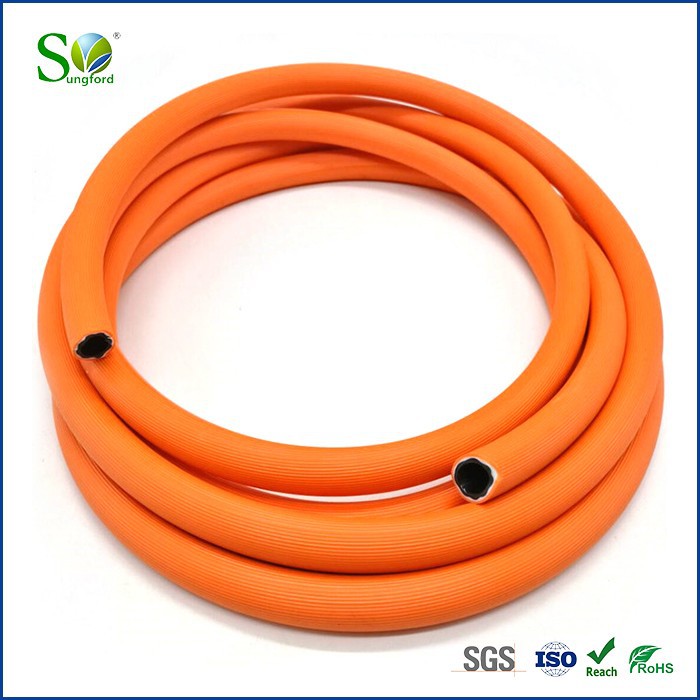
For instance, PVC Gas Hose is a popular choice in many labs. PVC is known for its chemical resistance, which means it can handle a variety of gases without degrading quickly. It's also relatively flexible, making it easy to install and maneuver around lab equipment.
On the other hand, Natural LPG Gas Hose is designed specifically for liquefied petroleum gas (LPG). These hoses are built to be resistant to the unique properties of LPG, like its flammability and pressure characteristics. They're usually made from materials that can handle high pressures and prevent leaks, which is a must - have in a lab environment.
Pressure Ratings
Pressure is another key factor. In a lab, different experiments may require different gas pressures. A gas hose must be rated for the maximum pressure it will encounter. If a hose is used at a pressure higher than its rating, it can burst, leading to a potentially dangerous gas leak.
When choosing a gas hose, you need to know the pressure requirements of your lab equipment. For example, some high - end analytical instruments may need a constant and precise gas pressure. In such cases, you need a hose that can maintain that pressure without any fluctuations. Make sure to check the pressure rating on the hose label before installation. It's better to go for a hose with a slightly higher pressure rating than what you actually need, just to be on the safe side.

Temperature Resistance
Labs can have varying temperatures depending on the experiments being conducted. Some processes may generate a lot of heat, while others may require a cold environment. A gas hose should be able to withstand these temperature changes without losing its integrity.
For high - temperature applications, hoses made from heat - resistant materials are necessary. These materials can prevent the hose from melting or deforming, which could lead to gas leaks. Conversely, in cold environments, the hose should remain flexible and not become brittle. If a hose becomes brittle, it can crack easily, posing a safety risk.
Leak Prevention
Leakage is one of the biggest safety concerns in a laboratory. A gas leak can not only waste valuable resources but also be extremely hazardous. To prevent leaks, gas hoses should have proper fittings and connections.
The fittings should be tightly secured to the hose and the equipment. There are different types of fittings available, such as threaded fittings and compression fittings. Threaded fittings are easy to install and can provide a good seal if tightened correctly. Compression fittings, on the other hand, use a compression ring to create a tight seal. They're often used in applications where a high - quality seal is required.
Regular inspections are also crucial to detect any signs of leakage. You can use leak detection solutions or sensors to check for leaks. If you notice any bubbles forming when you apply a leak detection solution to the hose connections, it's a clear sign of a leak. In such cases, the hose or the fitting should be replaced immediately.
Flexibility and Durability
In a lab, you may need to move equipment around or reconfigure the setup from time to time. A flexible gas hose makes these tasks much easier. It can be bent and routed around obstacles without kinking or blocking the gas flow.
Durability is also important. A lab environment can be tough on hoses, with possible exposure to chemicals, sharp objects, and physical wear and tear. A durable hose will last longer and require less frequent replacement. Look for hoses with reinforced layers or protective coatings to increase their durability.
Installation and Maintenance
Proper installation is the first step towards ensuring the safety of gas hoses in a laboratory. Make sure to follow the manufacturer's instructions carefully. Incorrect installation can lead to leaks, pressure issues, and other problems.
During installation, check for any signs of damage to the hose, such as cuts, abrasions, or bulges. If you find any, don't use the hose. Also, make sure the hose is not twisted or kinked during installation, as this can affect the gas flow and increase the risk of leaks.
Regular maintenance is equally important. Inspect the hoses periodically for signs of wear and tear, like cracks or fraying. Clean the hoses regularly to remove any dirt or debris that could potentially damage the hose. Replace the hoses at regular intervals, even if they seem to be in good condition, as the material can degrade over time.
Compatibility with Lab Equipment
The gas hose must be compatible with the lab equipment it's connected to. Different equipment may have different connection types and requirements. For example, some instruments may have a specific type of valve or fitting that the hose needs to connect to.
Before purchasing a gas hose, check the compatibility with your lab equipment. Make sure the hose diameter, fitting type, and other specifications match the requirements of the equipment. Using an incompatible hose can lead to poor performance and safety risks.
Documentation and Certification
Last but not least, always look for gas hoses that come with proper documentation and certification. Reputable manufacturers will provide detailed information about the hose, including its material, pressure rating, temperature resistance, and other important specifications.
Certification from recognized standards organizations, such as ISO or ASTM, is a good sign of a quality hose. These certifications mean that the hose has been tested and meets certain safety and quality standards. When you're buying a gas hose, ask for the documentation and certification to ensure you're getting a safe and reliable product.
In conclusion, safety is of the utmost importance when it comes to gas hoses in a laboratory. By considering factors like material quality, pressure ratings, temperature resistance, leak prevention, flexibility, durability, installation, maintenance, compatibility, and documentation, you can choose the right gas hose for your lab.
If you're in the market for high - quality gas hoses that meet all these safety requirements, I'd love to help. Whether you need a PVC Gas Hose or a Natural LPG Gas Hose, we've got you covered. Reach out to us for more information and let's start a discussion about your specific needs.
References
- Laboratory Safety Guidelines, National Institute for Occupational Safety and Health (NIOSH)
- Gas Hose Standards and Regulations, American Society for Testing and Materials (ASTM)
- Chemical Compatibility Charts for Gas Hoses, International Organization for Standardization (ISO)