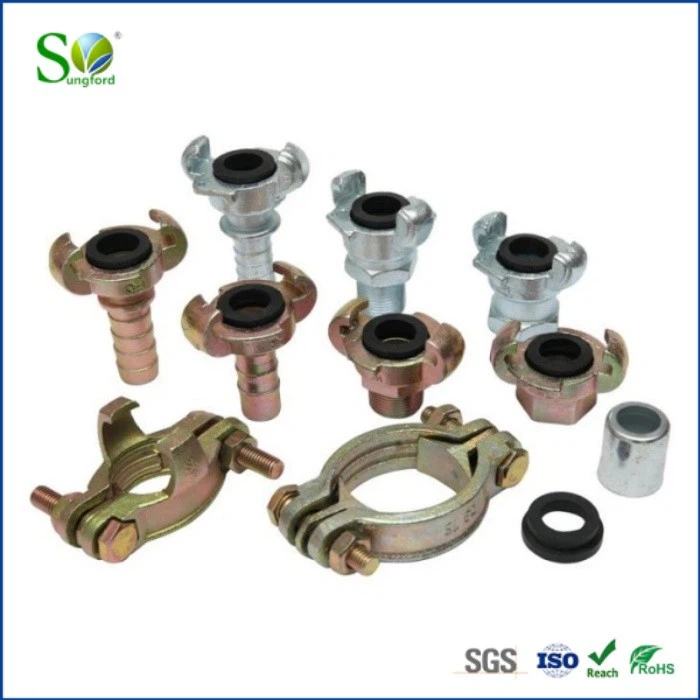
Aluminum hose fittings are essential components in various industries, offering a wide range of benefits and characteristics that make them a popular choice for many applications. As a leading hose fittings supplier, I have had the privilege of working with these versatile products and witnessing their performance firsthand. In this blog post, I will delve into the key characteristics of aluminum hose fittings, exploring their advantages, applications, and considerations for selection.
Lightweight and Durable
One of the most notable characteristics of aluminum hose fittings is their lightweight nature. Aluminum is a relatively low-density metal, which makes the fittings easy to handle and install. This is particularly beneficial in applications where weight is a concern, such as in aerospace, automotive, and portable equipment industries. Despite their lightweight, aluminum hose fittings are also highly durable. Aluminum has excellent corrosion resistance, which helps to protect the fittings from rust and other forms of degradation, ensuring a long service life even in harsh environments.
Corrosion Resistance
Aluminum naturally forms a thin oxide layer on its surface when exposed to air, which acts as a protective barrier against corrosion. This oxide layer is self-healing, meaning that if it is scratched or damaged, it will quickly reform to continue protecting the underlying metal. As a result, aluminum hose fittings are well-suited for use in environments where corrosion is a potential issue, such as in marine, chemical, and food processing industries. Additionally, aluminum can be further treated with coatings or anodizing to enhance its corrosion resistance, making it suitable for even more demanding applications.
High Strength-to-Weight Ratio
Aluminum hose fittings offer an excellent strength-to-weight ratio, which means they can withstand high pressures and loads while remaining relatively lightweight. This makes them a practical choice for applications where both strength and weight are important considerations, such as in hydraulic systems, pneumatic systems, and industrial machinery. The high strength of aluminum also allows for the design of more compact and efficient hose fittings, which can save space and reduce the overall weight of the system.
Good Thermal Conductivity
Aluminum is a good conductor of heat, which makes it useful in applications where heat transfer is required. Aluminum hose fittings can help to dissipate heat from the fluid flowing through the hoses, preventing overheating and ensuring the proper functioning of the system. This characteristic is particularly important in applications such as automotive cooling systems, where efficient heat transfer is crucial for maintaining engine performance.
Easy to Machine and Fabricate
Aluminum is a relatively soft and malleable metal, which makes it easy to machine and fabricate into various shapes and sizes. As a result, aluminum hose fittings can be customized to meet the specific requirements of different applications. Whether it's a standard fitting or a specially designed component, aluminum can be easily cut, drilled, tapped, and formed to create the desired shape. This flexibility in manufacturing allows for the production of high-quality hose fittings that are tailored to the needs of the customer.
Compatibility with a Wide Range of Fluids
Aluminum hose fittings are compatible with a wide range of fluids, including water, oil, gas, and chemicals. This makes them suitable for use in a variety of industries and applications, from plumbing and irrigation systems to chemical processing and fuel delivery. However, it's important to note that the compatibility of aluminum with certain fluids may depend on factors such as the fluid's temperature, pressure, and chemical composition. In some cases, additional coatings or materials may be required to ensure optimal performance and prevent corrosion.
Cost-Effective
Compared to other materials such as stainless steel or brass, aluminum is generally more cost-effective. This makes aluminum hose fittings an attractive option for budget-conscious customers who still require high-quality components. The lower cost of aluminum also makes it a viable choice for large-scale projects or applications where a large number of fittings are needed.
Applications of Aluminum Hose Fittings
Aluminum hose fittings are used in a wide variety of industries and applications, including:
- Automotive Industry: Aluminum hose fittings are commonly used in automotive cooling systems, fuel systems, and pneumatic systems. Their lightweight and corrosion-resistant properties make them ideal for these applications, where weight reduction and long-term reliability are important.
- Aerospace Industry: In the aerospace industry, aluminum hose fittings are used in hydraulic systems, fuel systems, and environmental control systems. Their high strength-to-weight ratio and excellent corrosion resistance make them suitable for the demanding conditions of aerospace applications.
- Marine Industry: Aluminum hose fittings are widely used in marine applications, such as boat plumbing systems, fuel systems, and hydraulic systems. Their corrosion resistance makes them well-suited for use in saltwater environments.
- Industrial Machinery: Aluminum hose fittings are used in various industrial machinery, including hydraulic presses, pneumatic tools, and conveyor systems. Their ability to withstand high pressures and loads, combined with their lightweight nature, makes them a practical choice for these applications.
- Food and Beverage Industry: Aluminum hose fittings are often used in the food and beverage industry due to their hygienic properties and compatibility with food-grade fluids. They are used in applications such as beer dispensing systems, milk processing systems, and water treatment plants.
Considerations for Selecting Aluminum Hose Fittings
When selecting aluminum hose fittings, there are several factors to consider, including:
- Application Requirements: Consider the specific requirements of your application, such as the type of fluid, pressure, temperature, and flow rate. This will help you determine the appropriate size, shape, and material of the hose fittings.
- Compatibility: Ensure that the aluminum hose fittings are compatible with the fluid and the hose material. Some fluids may react with aluminum, causing corrosion or other issues.
- Quality and Standards: Look for hose fittings that meet industry standards and specifications, such as ISO, SAE, or DIN. This will ensure the quality and reliability of the fittings.
- Manufacturer Reputation: Choose a reputable manufacturer with a proven track record of producing high-quality hose fittings. This will give you confidence in the performance and durability of the products.
Conclusion
Aluminum hose fittings offer a combination of lightweight, durability, corrosion resistance, and cost-effectiveness, making them a popular choice for a wide range of applications. As a hose fittings supplier, I understand the importance of providing high-quality products that meet the specific needs of our customers. Whether you're looking for standard fittings or custom-designed components, we have the expertise and resources to help you find the right solution for your application.
If you're interested in learning more about our aluminum hose fittings or would like to discuss your specific requirements, please don't hesitate to contact us. We're here to assist you with your procurement needs and provide you with the best possible products and services.
References
-
ASM Handbook, Volume 2: Properties and Selection: Nonferrous Alloys and Special-Purpose Materials. ASM International.
-
Aluminum Association. Aluminum Design Manual.
-
Hose Fittings Manufacturer's Catalogs.
-