

Storing a gas hose properly is crucial for its longevity and safety. As a gas hose supplier, I've seen firsthand the importance of correct storage methods. In this blog, I'll share some tips on how to store a gas hose to keep it in top - notch condition.
Why Proper Storage Matters
First off, let's talk about why proper storage is so important. Gas hoses are made of materials that can degrade over time, especially when exposed to harsh conditions. If you don't store your gas hose correctly, it can develop cracks, leaks, or other damage. These issues not only reduce the lifespan of the hose but also pose a significant safety risk. A leaking gas hose can lead to gas leaks, which are not only a waste of energy but can also cause fires or explosions.
Pre - Storage Preparation
Before you store your gas hose, there are a few things you need to do. First, make sure the hose is completely disconnected from any gas sources. This is a no - brainer, but it's important to double - check. You don't want any residual gas in the hose, so open the valve at the end of the hose to release any remaining gas.
Next, give the hose a good clean. Use a mild soap and water solution to remove any dirt, debris, or grease that might have accumulated on the surface. This helps prevent corrosion and keeps the hose looking good. After cleaning, rinse the hose thoroughly with clean water and let it dry completely. You can hang it up in a well - ventilated area to speed up the drying process.

Choosing the Right Storage Location
Now, let's talk about where to store your gas hose. The ideal storage location should be cool, dry, and away from direct sunlight. Sunlight contains UV rays that can break down the materials in the hose over time, making it brittle and more prone to damage. A garage or a shed can be a great option, as long as it's not too damp.
Avoid storing the hose near sources of heat, like heaters or hot water tanks. High temperatures can also cause the hose to deteriorate. Also, keep it away from sharp objects or rough surfaces that could puncture or scratch the hose.
Storage Methods
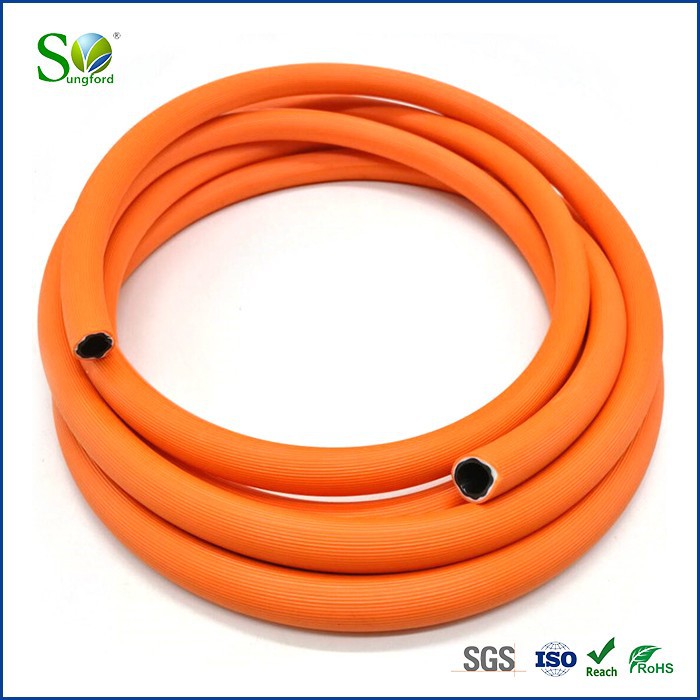
There are a few different ways to store a gas hose. One popular method is to coil it up. Start from one end of the hose and carefully coil it in a circular motion. Make sure the coils are not too tight, as this can put stress on the hose and cause kinks. You can use a hose reel to make coiling easier and more organized. If you don't have a hose reel, you can simply tie the coiled hose with a piece of string or a hose tie to keep it in place.
Another option is to hang the hose. You can use hooks or a hose hanger to hang the hose vertically. This helps prevent kinking and allows air to circulate around the hose, which is good for its overall condition. Just make sure the hooks or hanger are strong enough to support the weight of the hose.
Protecting the Hose During Storage
To further protect your gas hose during storage, you can use a hose cover. A hose cover is a simple sleeve that goes over the hose, shielding it from dust, dirt, and UV rays. You can find hose covers in various sizes and materials, so choose one that fits your hose properly.
If you're storing the hose for an extended period, you might also want to consider using a storage container. A plastic storage bin or a wooden box can provide an extra layer of protection. Just make sure the container is clean and dry before you put the hose inside.
Different Types of Gas Hoses and Their Storage Requirements
We offer a variety of gas hoses, such as PVC Gas Hose and Natural LPG Gas Hose. PVC gas hoses are lightweight and flexible, but they can be more sensitive to temperature changes. When storing PVC gas hoses, it's especially important to keep them in a cool environment. Extreme cold can make the PVC brittle, while extreme heat can cause it to soften and lose its shape.
Natural LPG gas hoses, on the other hand, are designed to handle the specific properties of natural LPG gas. They are often more durable, but they still need proper storage. Make sure to follow the general storage guidelines mentioned above to keep these hoses in good condition.
Regular Inspections
Even when your gas hose is in storage, it's a good idea to do regular inspections. Check for any signs of damage, such as cracks, leaks, or wear and tear. If you notice any issues, it's best to replace the hose before using it again. Inspecting the hose regularly helps catch problems early and ensures that it's safe to use when you need it.
Conclusion
Storing a gas hose properly is not that difficult, but it does require a bit of attention. By following these tips, you can extend the lifespan of your gas hose and keep it safe to use. Remember, a well - stored gas hose is a reliable gas hose.
If you're in the market for a new gas hose or have any questions about gas hose storage, feel free to reach out. We're here to help you find the best gas hose for your needs and provide you with all the information you need to keep it in great condition. Whether you need a PVC Gas Hose or a Natural LPG Gas Hose, we've got you covered. Contact us today to start the procurement process and let's have a chat about your requirements.
References
- Gas Hose Manufacturer's Guidelines
- Industry Safety Standards for Gas Hose Storage