

Rust is the arch - enemy of metal hose clamps. As a hose clamps supplier, I've seen firsthand how rust can turn a perfectly good clamp into a useless piece of junk. In this blog, I'm gonna share some practical tips on how to prevent rust on metal hose clamps.
Understanding Rust
Before we dive into prevention methods, it's important to understand what rust is. Rust is basically the result of a chemical reaction called oxidation. When metal, especially iron or steel, comes into contact with oxygen and moisture, a compound called iron oxide is formed. This iron oxide is what we know as rust. It weakens the metal, makes it brittle, and can even cause the clamp to break apart over time.
Choosing the Right Material
One of the most effective ways to prevent rust is to choose the right material for your hose clamps. Stainless steel is a great option. It contains chromium, which forms a thin, invisible layer on the surface of the metal. This layer acts as a barrier, preventing oxygen and moisture from reaching the underlying metal and causing rust. There are different grades of stainless steel, and for hose clamps that will be exposed to harsh environments, 316 stainless steel is a top - notch choice as it has excellent corrosion resistance.
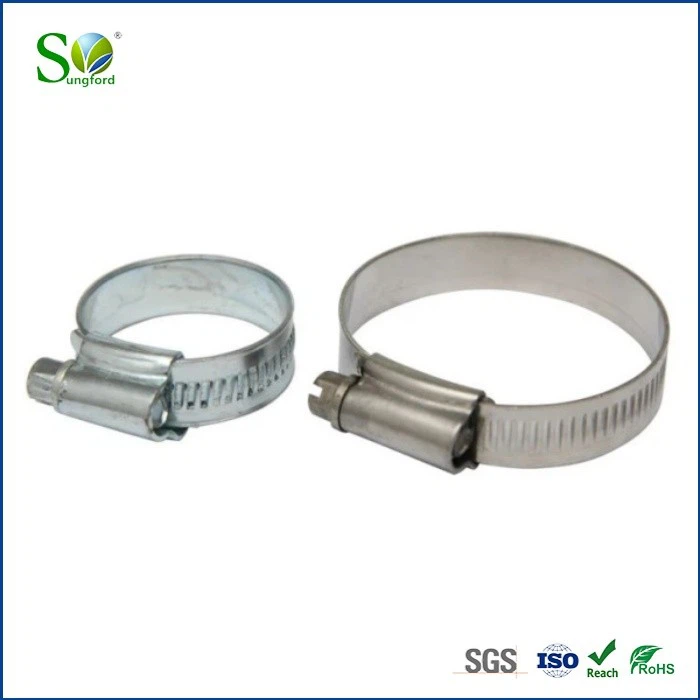
Another option is zinc - plated steel. Zinc is more reactive than iron, so when it's used as a coating on steel, it sacrifices itself to protect the steel from rust. The zinc reacts with oxygen and moisture first, forming a protective layer of zinc oxide. This layer slows down the oxidation process of the underlying steel. You can find high - quality Hose Clampls made from these rust - resistant materials in our product range.
Proper Surface Treatment
Even if you've chosen a rust - resistant material, proper surface treatment can add an extra layer of protection. One common method is powder coating. In powder coating, a dry powder is electrostatically applied to the surface of the hose clamp. Then, the clamp is heated, and the powder melts and forms a smooth, durable coating. This coating acts as a physical barrier between the metal and the environment, preventing moisture and oxygen from getting to the metal.
Galvanizing is another popular surface treatment. It involves coating the metal with a layer of zinc, either through hot - dip galvanizing or electro - galvanizing. Hot - dip galvanizing is a more robust method where the metal is submerged in a bath of molten zinc. This creates a thick, durable zinc coating that provides long - term rust protection. Electro - galvanizing, on the other hand, uses an electric current to deposit a thin layer of zinc on the metal surface. It's a more cost - effective option but may not be as durable as hot - dip galvanizing in extremely harsh conditions.
Storage and Handling
How you store and handle your hose clamps can also have a big impact on their rust resistance. When storing hose clamps, make sure they're kept in a dry place. Moisture is one of the main culprits behind rust, so avoid storing them in damp basements or areas prone to condensation. If possible, store the clamps in sealed containers or bags with desiccants to absorb any moisture.

When handling the clamps, wear gloves to prevent the transfer of sweat and oils from your hands to the metal. Sweat contains salts and acids that can accelerate the rusting process. Also, be careful not to scratch the surface of the clamps during handling. Scratches can expose the underlying metal to the environment, making it more susceptible to rust.
Environmental Considerations
The environment in which the hose clamps are used plays a crucial role in rust prevention. If the clamps are going to be used in a marine environment, they'll be exposed to saltwater, which is highly corrosive. In this case, you should definitely opt for 316 stainless steel clamps or clamps with a heavy - duty surface treatment. You can also use anti - corrosion sprays or coatings specifically designed for marine applications.
In industrial settings where there are chemicals in the air or on surfaces, choose clamps that are resistant to those chemicals. Some chemicals can react with the metal and cause rust or other forms of corrosion. If you're not sure which type of clamp is suitable for your specific environment, feel free to reach out to us. We have a team of experts who can help you select the right Hose Clampls for your needs.
Regular Inspection and Maintenance
Regular inspection and maintenance are key to preventing rust on hose clamps. Check your clamps periodically for any signs of rust or damage. If you notice any rust spots, you can remove them using a wire brush or sandpaper. After removing the rust, apply a rust - inhibitor or a protective coating to the area to prevent further rusting.
It's also a good idea to lubricate the moving parts of the hose clamps, such as the screws or bolts. Lubrication not only helps the clamps function smoothly but also provides a thin layer of protection against moisture and rust. You can use a silicone - based lubricant or a light machine oil for this purpose.
Compatibility with Other Components
When using hose clamps, it's important to consider their compatibility with other components in the system. For example, if you're using a hose clamp to secure a hose to a fitting, make sure the materials of the clamp and the fitting are compatible. Different metals in contact with each other can cause galvanic corrosion. Galvanic corrosion occurs when two different metals are in an electrolyte (such as water) and form a galvanic cell. This can lead to accelerated rusting of one of the metals.
If you need to connect different metals, you can use insulating materials or gaskets to separate them. This prevents the formation of a galvanic cell and reduces the risk of corrosion. We also offer a wide range of Hose Couplings that are designed to be compatible with our hose clamps, ensuring a corrosion - free and reliable connection.
Conclusion
Preventing rust on metal hose clamps is all about taking a proactive approach. By choosing the right material, applying proper surface treatments, storing and handling the clamps correctly, considering the environment, and performing regular maintenance, you can significantly extend the lifespan of your hose clamps.
As a hose clamps supplier, we're committed to providing you with high - quality products and expert advice. If you have any questions about rust prevention or need help selecting the right hose clamps for your project, don't hesitate to get in touch. We're here to assist you in making the best choices for your needs and ensuring that your hose clamps perform well for years to come. Contact us today to start a discussion about your hose clamp requirements and let's work together to find the perfect solution for you.
References
- "Corrosion Basics" by the National Association of Corrosion Engineers (NACE).
- "Materials Science and Engineering: An Introduction" by William D. Callister, Jr. and David G. Rethwisch.