

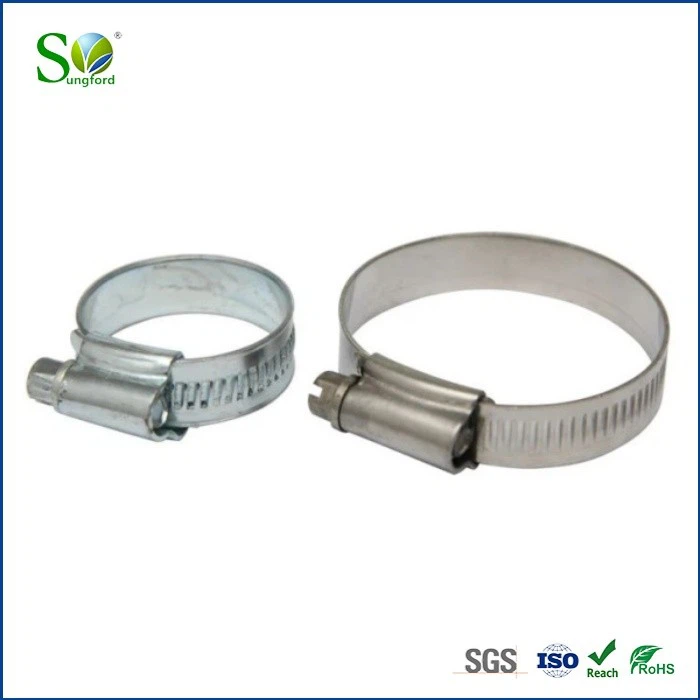
Hey there! As a supplier of hose clamps, I've seen firsthand how important it is to keep these little guys in tip - top shape. Hose clamps might seem like small components, but they play a huge role in ensuring that hoses stay securely attached, preventing leaks and maintaining the efficiency of various systems. So, let's dive into how to maintain hose clamps.
Regular Inspection
The first step in maintaining hose clamps is regular inspection. You should take a good look at your hose clamps at least once a month, or more frequently if they're in a high - stress environment. Check for any signs of wear and tear, like rust, corrosion, or cracks. Rust can weaken the clamp over time, and cracks can cause it to lose its grip.
When you're inspecting, also make sure the clamp is still tight. You can do this by trying to wiggle the hose gently. If there's any movement, the clamp might need to be tightened. And don't forget to check the screw or the locking mechanism. Sometimes, the screw can loosen up on its own, especially if there's a lot of vibration in the system.
Cleaning
Cleaning your hose clamps is another crucial step. Dirt, grime, and debris can build up on the clamps, which not only looks bad but can also cause problems. For example, if dirt gets into the screw mechanism, it can make it difficult to tighten or loosen the clamp.
To clean the clamps, you can use a mild detergent and a soft brush. Just soak the clamps in the soapy water for a few minutes, then gently scrub them to remove any dirt. Rinse them thoroughly with clean water and dry them completely. Avoid using harsh chemicals or abrasive materials, as these can damage the surface of the clamps.
Lubrication
Lubricating the moving parts of the hose clamps is a great way to keep them working smoothly. The screw or the locking mechanism should be lubricated regularly. You can use a light machine oil or a silicone - based lubricant. Just apply a small amount of lubricant to the threads of the screw or the contact points of the locking mechanism.
Lubrication not only makes it easier to adjust the clamps but also helps prevent rust and corrosion. It reduces friction, which means the clamps will last longer and perform better.
Proper Installation
Proper installation is key to the long - term maintenance of hose clamps. When you're installing a hose clamp, make sure you choose the right size for the hose. A clamp that's too small won't fit properly, and a clamp that's too large won't provide a secure grip.
Also, make sure the clamp is centered on the hose. If it's off - center, it can cause uneven pressure, which might lead to leaks or damage to the hose. Tighten the clamp just enough to hold the hose securely, but don't over - tighten it. Over - tightening can damage the hose and the clamp itself.
Storage
If you have extra hose clamps that you're not using, proper storage is important. Store them in a dry, cool place. Humidity can cause rust and corrosion, so avoid storing the clamps in damp areas like basements or near water sources.
You can keep the clamps in a plastic container or a sealed bag to protect them from dust and dirt. Label the container so you know what size and type of clamps are inside.
Compatibility
When you're replacing a hose clamp, make sure it's compatible with the hose and the system it's being used in. Different hoses have different requirements, and using an incompatible clamp can lead to problems. For example, some hoses are used in high - pressure systems, and they need a clamp that can withstand that pressure.
Check the specifications of the hose and the clamp to ensure they're a good match. You can also refer to the manufacturer's guidelines for more information.
Upgrading
Sometimes, it might be necessary to upgrade your hose clamps. As technology advances, new and improved clamps are being developed. These clamps might offer better performance, longer lifespan, or more features.
If you're using an old - fashioned hose clamp in a high - tech system, it might be time to consider an upgrade. Look for clamps that are made from high - quality materials, have a better locking mechanism, or are designed for specific applications. You can find a wide range of options on our website Hose Clampls.
Monitoring the Environment
The environment in which the hose clamps are used can have a big impact on their maintenance. If the clamps are exposed to extreme temperatures, chemicals, or UV rays, they might require more frequent maintenance.
For example, if the clamps are used in an outdoor environment, they're more likely to be exposed to UV rays, which can cause the plastic parts (if any) to degrade. In a chemical - rich environment, the clamps might need to be made from a corrosion - resistant material.
Keep an eye on the environment and adjust your maintenance schedule accordingly. If you notice that the clamps are deteriorating faster than normal, it might be because of the environment.
Training
If you have employees or colleagues who are responsible for working with hose clamps, providing them with proper training is essential. They should know how to inspect, clean, lubricate, and install the clamps correctly.
Training can help prevent mistakes that could lead to premature wear or failure of the clamps. It also ensures that everyone is following the same maintenance procedures, which is important for consistency.
Using Quality Products
As a hose clamp supplier, I can't stress enough the importance of using quality products. Cheaper, low - quality hose clamps might seem like a good deal at first, but they often don't last as long and can cause more problems in the long run.
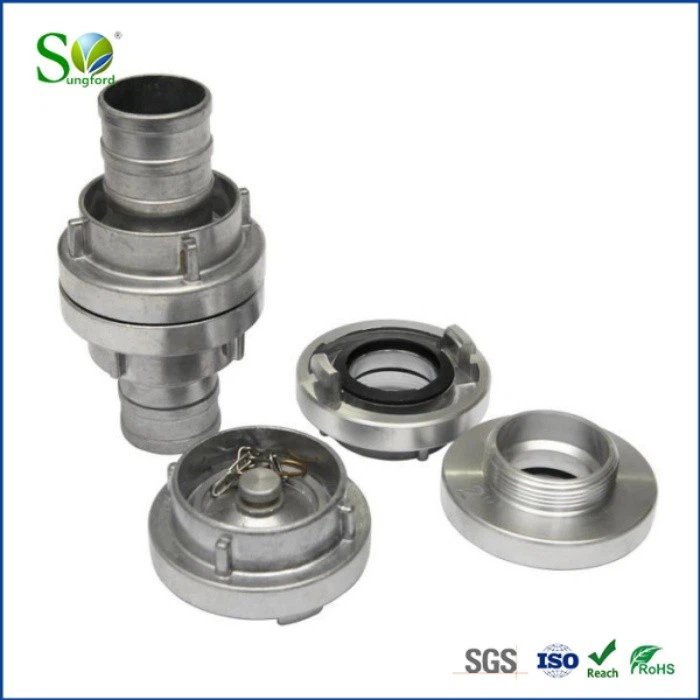
Invest in high - quality hose clamps from a reputable supplier. Quality clamps are made from better materials, have better manufacturing processes, and are more reliable. They'll save you time and money in the long term by reducing the need for frequent replacements and repairs. You can explore our range of high - quality Hose Clampls and Hose Couplings on our website.
Conclusion
Maintaining hose clamps is not that difficult, but it does require some attention and effort. By following these simple steps - regular inspection, cleaning, lubrication, proper installation, and storage - you can ensure that your hose clamps last a long time and perform well.
If you're in the market for high - quality hose clamps or need more information about their maintenance, don't hesitate to get in touch with us. We're here to help you find the right products for your needs and offer advice on how to keep them in the best condition. Contact us to start a procurement discussion, and let's work together to keep your systems running smoothly.
References
- General knowledge from years of experience as a hose clamp supplier.
- Industry standards and best practices for hose clamp maintenance.