

As a welding hose supplier, I've seen firsthand how important it is to extend the life of these crucial pieces of equipment. Welding hoses are essential for delivering gases like oxygen and acetylene to the welding torch, and they can be quite an investment. So, let's dive into some practical tips on how to make your welding hoses last longer.
Proper Storage
One of the first steps in extending the life of a welding hose is proper storage. When you're not using the hoses, you should store them in a cool, dry place. Exposure to extreme temperatures can damage the rubber or PVC material of the hoses. For example, if you leave them out in the hot sun for long periods, the material can become brittle and crack. On the other hand, freezing temperatures can make the hoses stiff and more prone to damage when bent.
You should also make sure to coil the hoses neatly. Avoid kinking them during the coiling process, as kinks can weaken the hose structure and lead to leaks over time. A good way to coil the hoses is to use a hose reel. It keeps the hoses organized and prevents them from getting tangled up, which can cause unnecessary wear and tear.
Regular Inspection
Regular inspection is key to catching any potential issues early on. Before each use, take a few minutes to visually inspect the welding hose. Look for signs of wear, such as cuts, abrasions, or bulges. Cuts and abrasions can expose the inner layers of the hose, making it more likely to leak. Bulges, on the other hand, can indicate a weak spot in the hose where the pressure may cause it to burst.
Check the fittings as well. Make sure they are tightly connected to the hose and that there are no signs of corrosion or damage. Loose fittings can cause gas leaks, which are not only a waste of gas but also a safety hazard. If you notice any issues during the inspection, don't use the hose until it has been repaired or replaced.
Correct Handling
How you handle the welding hose can have a big impact on its lifespan. When moving the hose, be careful not to drag it across rough surfaces. Rough surfaces can cause abrasions on the outside of the hose, which can lead to leaks. Instead, lift the hose and carry it carefully.
Avoid sharp bends or kinks when using the hose. Sharp bends can restrict the flow of gas and put extra stress on the hose material. If you need to bend the hose, make sure the bend radius is at least the minimum recommended by the manufacturer.
Cleaning
Keeping the welding hose clean is another important aspect of extending its life. Over time, dirt, debris, and welding spatter can accumulate on the surface of the hose. This can not only make the hose look dirty but also cause damage to the material.
To clean the hose, use a mild soap and water solution. Avoid using harsh chemicals, as they can damage the rubber or PVC material. Gently scrub the hose with a soft brush to remove any dirt or debris. Rinse the hose thoroughly with clean water and let it dry completely before storing it.
Protection from Chemicals
Welding hoses can be damaged by exposure to certain chemicals. For example, some solvents and oils can break down the rubber or PVC material of the hose. If you're working in an environment where there are chemicals present, make sure to protect the hose.
You can use a protective sleeve or cover to shield the hose from chemicals. This will help prevent damage and extend the life of the hose. If the hose does come into contact with a chemical, clean it immediately with a mild soap and water solution.
Use the Right Hose for the Job
Using the right welding hose for the job is crucial. Different types of welding require different types of hoses. For example, if you're using oxygen and acetylene for welding, you'll need an Oxygen Acetylene Welding Hose. This type of hose is designed to handle the high pressures and temperatures associated with oxygen and acetylene welding.
If you're working on a smaller project, a PVC Twin Welding Hose may be more suitable. PVC twin welding hoses are lightweight and flexible, making them easy to handle. Using the wrong hose can lead to premature failure and safety issues.
Training
Proper training is essential for anyone who uses welding hoses. Make sure your employees or colleagues are trained on how to handle, store, and inspect the hoses correctly. This will help prevent damage to the hoses and ensure safe operation.
Training should cover topics such as proper coiling and storage, regular inspection procedures, correct handling techniques, and cleaning methods. By providing your team with the knowledge and skills they need, you can extend the life of your welding hoses and improve safety in the workplace.
Conclusion
Extending the life of a welding hose requires a combination of proper storage, regular inspection, correct handling, cleaning, protection from chemicals, using the right hose for the job, and training. By following these tips, you can get the most out of your welding hoses and save money in the long run.
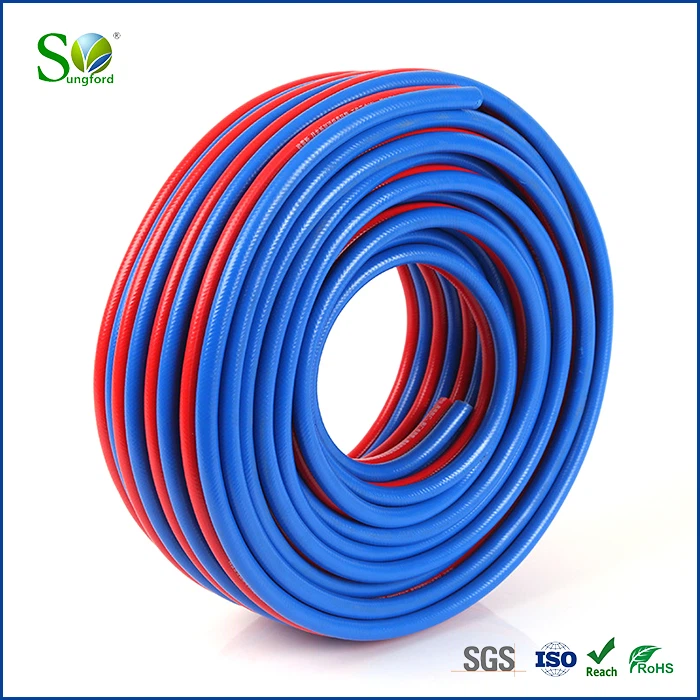

If you're in the market for high-quality welding hoses, we're here to help. We offer a wide range of welding hoses to suit your needs. Whether you need an oxygen acetylene welding hose or a PVC twin welding hose, we've got you covered. Contact us to discuss your requirements and start a procurement conversation.
References
- American Welding Society (AWS) Standards
- Welding Equipment Manufacturer's Association (WEMA) Guidelines