

Hey there! As a supplier of Hose Clampls, I've seen firsthand the importance of getting a proper seal with hose clamps. A good seal not only prevents leaks but also ensures the safety and efficiency of your hose systems. In this blog, I'm gonna share some tips and tricks on how to ensure a proper seal with hose clamps.
Understanding the Basics of Hose Clamps
Before we dive into the details of getting a proper seal, let's quickly go over what hose clamps are and how they work. Hose clamps are devices used to secure hoses to fittings or other components. They come in various types, including worm gear clamps, spring clamps, and T-bolt clamps, each with its own unique features and applications.
The basic principle behind hose clamps is simple: you tighten the clamp around the hose and fitting, creating a tight seal that prevents fluid or gas from leaking out. However, achieving a proper seal isn't always as straightforward as it sounds. There are several factors to consider, such as the type of hose and fitting, the size of the clamp, and the tightening method.
Choosing the Right Hose Clamp
The first step in ensuring a proper seal is choosing the right hose clamp for your application. Here are some things to keep in mind:
- Type of Hose and Fitting: Different types of hoses and fittings require different types of clamps. For example, worm gear clamps are commonly used for general-purpose applications, while spring clamps are better suited for low-pressure systems. Make sure you choose a clamp that is compatible with the material and size of your hose and fitting.
- Size of the Clamp: The size of the clamp is crucial for achieving a proper seal. If the clamp is too small, it won't be able to provide enough tension to hold the hose in place. On the other hand, if the clamp is too large, it may not tighten properly, resulting in a leak. Measure the outside diameter of the hose and choose a clamp that is slightly smaller than the measured diameter.
- Material of the Clamp: The material of the clamp can also affect its performance. Stainless steel clamps are corrosion-resistant and suitable for most applications, while plastic clamps are lightweight and inexpensive but may not be as durable. Consider the environment in which the clamp will be used and choose a material that can withstand the conditions.
Preparing the Hose and Fitting
Once you've chosen the right hose clamp, it's time to prepare the hose and fitting for installation. Here's what you need to do:
- Clean the Hose and Fitting: Before installing the clamp, make sure the hose and fitting are clean and free of dirt, debris, and oil. This will help ensure a good seal and prevent the clamp from slipping.
- Cut the Hose to the Right Length: Cut the hose to the appropriate length, leaving enough room for the clamp to be installed. Make sure the cut is clean and straight to prevent leaks.
- Inspect the Hose and Fitting: Check the hose and fitting for any signs of damage or wear. If there are any cracks, holes, or other defects, replace the hose or fitting before installing the clamp.
Installing the Hose Clamp
Now that the hose and fitting are prepared, it's time to install the hose clamp. Here's a step-by-step guide:
- Place the Clamp on the Hose: Slide the clamp onto the hose, making sure it is positioned over the fitting.
- Position the Clamp: Align the clamp so that it is centered over the fitting and the screw or bolt is accessible.
- Tighten the Clamp: Use a screwdriver or wrench to tighten the clamp until it is snug. Be careful not to overtighten the clamp, as this can damage the hose or fitting.
- Check the Seal: Once the clamp is tightened, check the seal by applying pressure to the hose or fitting. If there are any leaks, loosen the clamp slightly and reposition it until the leak stops.
Maintaining the Hose Clamp
To ensure a proper seal over time, it's important to maintain the hose clamp. Here are some tips:
- Inspect the Clamp Regularly: Check the clamp for any signs of wear or damage, such as rust, corrosion, or cracks. If you notice any problems, replace the clamp immediately.
- Tighten the Clamp as Needed: Over time, the clamp may loosen due to vibration or temperature changes. Check the tightness of the clamp periodically and tighten it as needed to maintain a proper seal.
- Replace the Clamp When Necessary: Even with proper maintenance, hose clamps will eventually wear out and need to be replaced. Replace the clamp according to the manufacturer's recommendations or when you notice any signs of damage or wear.
Using Hose Couplings for a Better Seal
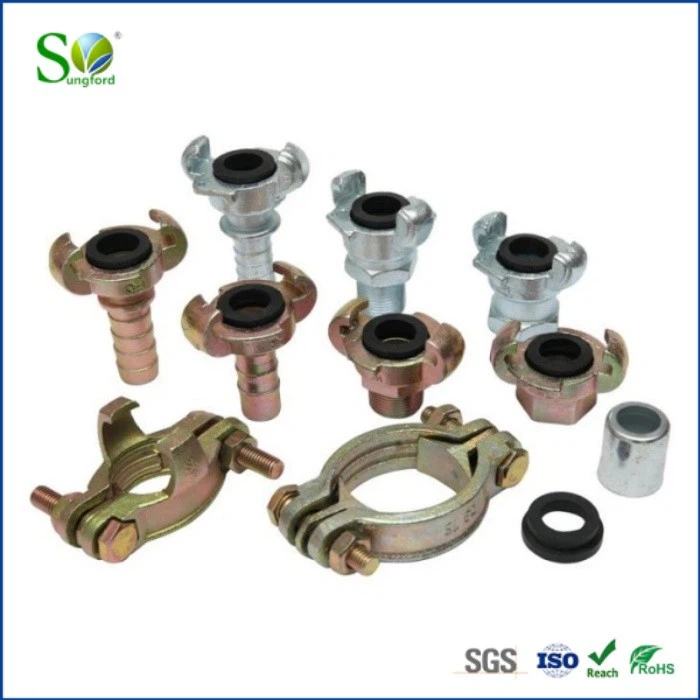
In some cases, using hose couplings in conjunction with hose clamps can help ensure a better seal. Hose couplings are devices used to connect two hoses or a hose to a fitting. They come in various types, including threaded couplings, quick-connect couplings, and barb couplings.
When using hose couplings, make sure you choose a coupling that is compatible with the type and size of your hose and fitting. Follow the manufacturer's instructions for installing the coupling and use a hose clamp to secure the coupling to the hose. This will help prevent leaks and ensure a tight seal.
Conclusion
Ensuring a proper seal with hose clamps is essential for the safety and efficiency of your hose systems. By choosing the right hose clamp, preparing the hose and fitting properly, installing the clamp correctly, and maintaining it regularly, you can achieve a reliable seal that will last for years.
If you have any questions or need help choosing the right hose clamps or couplings for your application, don't hesitate to contact us. We're here to help you find the best solutions for your needs. Whether you're a DIY enthusiast or a professional installer, we have the products and expertise to get the job done right.
Let's start a conversation about your hose clamp requirements. Reach out to us, and we can discuss your specific needs, provide detailed product information, and offer competitive pricing. Looking forward to working with you!

References
- "Hose Clamps: A Guide to Selection and Installation." Parker Hannifin Corporation.
- "How to Install Hose Clamps." The Home Depot.
- "Hose Couplings: Types and Applications." Grainger KnowHow.