

Yo, folks! I'm a supplier of gas hoses, and today I wanna chat about how temperature can mess with these crucial pieces of equipment. Gas hoses are everywhere – from your backyard grills to industrial setups. But did you know that temperature can have a huge impact on how well they work and how long they last? Let's dig in.
Cold Temperatures: The Freeze Factor
When it gets cold outside, gas hoses don't exactly throw a party. Cold temperatures can make the materials that gas hoses are made of become stiffer. You know how your fingers get all clumsy in the cold? Well, hoses are kind of the same. They lose their flexibility.
Most gas hoses are made from materials like rubber or PVC. In cold weather, these materials can become brittle. For example, a PVC Gas Hose that's usually nice and bendy can turn into something that's more like a rigid pipe. This lack of flexibility is a big problem because it can lead to cracks.
Cracks in a gas hose are a nightmare. They can cause gas leaks, which are not only a waste of gas but also super dangerous. Gas leaks can lead to fires or explosions, and no one wants that. So, if you're using a gas hose in cold conditions, you gotta be extra careful.
Another issue with cold temperatures is that they can affect the seals at the ends of the hose. The seals are what keep the gas from leaking out where the hose connects to the appliance or the gas source. When it's cold, the seals can shrink or harden, which means they might not seal as well. This can also lead to those pesky gas leaks.
Hot Temperatures: The Meltdown Risk
On the flip side, hot temperatures can be just as bad for gas hoses. When it's really hot outside, the materials in the hose can start to break down. Rubber hoses, for instance, can start to soften and lose their shape. This is a big deal because a hose that's out of shape might not fit properly where it's supposed to, and that can lead to leaks.
A Natural LPG Gas Hose is often used for LPG (liquefied petroleum gas) applications. In high temperatures, the LPG inside the hose can expand. If the hose can't handle the increased pressure from the expanding gas, it can burst. That's a major safety hazard, and it's definitely not something you want to happen.
High temperatures can also cause the outer layer of the hose to degrade. The outer layer is there to protect the inner parts of the hose from things like abrasion and UV rays. When it starts to break down, the inner layers are exposed, which can lead to faster wear and tear and a shorter lifespan for the hose.
Temperature Cycling: The Double Whammy
Temperature cycling is when the temperature goes up and down a lot. This can be really tough on gas hoses. Every time the temperature changes, the materials in the hose expand and contract. Over time, this constant expansion and contraction can weaken the hose.
Think of it like stretching and squeezing a rubber band over and over again. Eventually, the rubber band will start to break. The same thing happens to gas hoses. Temperature cycling can cause the hose to develop small cracks or tears that can grow over time and lead to leaks.
How to Protect Your Gas Hoses from Temperature
So, what can you do to keep your gas hoses in good shape in different temperatures? Well, first of all, you need to choose the right hose for the job. If you're in a cold climate, look for hoses that are designed to be flexible in low temperatures. There are hoses out there that are made with special materials that can handle the cold better.
In hot climates, you want a hose that can withstand high temperatures. Some hoses have heat-resistant coatings or are made from materials that don't break down as easily in the heat.

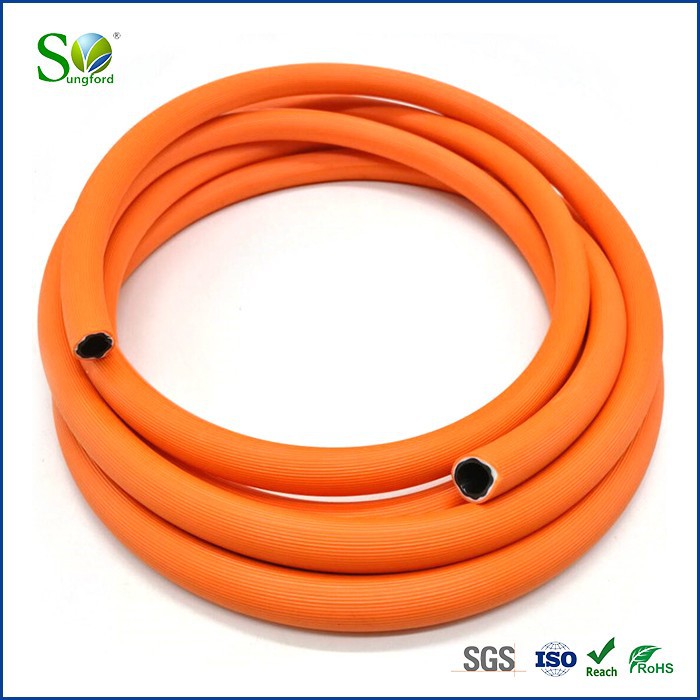
You also need to store your hoses properly. When it's cold, try to keep the hoses indoors or in a sheltered area. This will help prevent them from getting too cold and becoming brittle. In hot weather, keep them out of direct sunlight as much as possible. Sunlight can heat up the hoses and cause them to degrade faster.
Regular inspections are also a must. Check your hoses for any signs of damage, like cracks, tears, or soft spots. If you notice any problems, replace the hose right away. It's better to be safe than sorry when it comes to gas hoses.
Conclusion
As a gas hose supplier, I know how important it is to understand how temperature affects these products. Whether it's the cold making them brittle or the heat causing them to break down, temperature can have a big impact on the performance and safety of gas hoses.
If you're in the market for a new gas hose, make sure you consider the temperature conditions it will be used in. And if you have any questions about which hose is right for you, don't hesitate to reach out. We're here to help you find the best solution for your needs. Whether you need a Natural LPG Gas Hose or a PVC Gas Hose, we've got you covered. So, let's start a conversation and get you the perfect gas hose for your situation.
References
- Smith, J. (2020). "The Effects of Temperature on Rubber Products." Journal of Material Science.
- Johnson, A. (2019). "Safety Considerations for Gas Hoses in Extreme Temperatures." Industrial Safety Journal.