

How does a welding hose work with a plasma cutting machine?
As a supplier of welding hoses, I've witnessed firsthand the crucial role these components play in the performance of plasma cutting machines. In this blog, I'll delve into the intricate relationship between welding hoses and plasma cutting machines, exploring how they work together to achieve precise and efficient cutting operations.
Understanding Plasma Cutting Machines
Before we discuss the role of welding hoses, it's essential to understand how plasma cutting machines operate. Plasma cutting is a process that uses a high-velocity jet of ionized gas (plasma) to melt and blow away metal. The plasma is created by passing an electric arc through a gas, typically compressed air, nitrogen, or oxygen. This process generates temperatures of up to 30,000°F (16,650°C), allowing for clean and precise cuts through various metals, including steel, aluminum, and copper.
Plasma cutting machines consist of several key components, including a power supply, a torch, a gas supply system, and a control panel. The power supply provides the electrical energy needed to create the plasma arc, while the torch directs the plasma jet onto the workpiece. The gas supply system delivers the necessary gas to the torch, and the control panel allows the operator to adjust the cutting parameters, such as the amperage, gas flow rate, and cutting speed.
The Role of Welding Hoses in Plasma Cutting
Welding hoses are an integral part of the gas supply system in a plasma cutting machine. They are responsible for transporting the gas from the source (such as a gas cylinder or a compressor) to the torch. The type of gas used in plasma cutting depends on the material being cut and the desired cutting quality. For example, oxygen is commonly used for cutting ferrous metals, while nitrogen is preferred for non-ferrous metals.
There are two main types of welding hoses used in plasma cutting: PVC Twin Welding Hose and Oxygen Acetylene Welding Hose. PVC twin welding hoses are designed to carry two different gases simultaneously, typically oxygen and acetylene. They are made of a durable PVC material that is resistant to abrasion, chemicals, and weathering. Oxygen acetylene welding hoses, on the other hand, are specifically designed for use with oxygen and acetylene gases. They are made of a rubber or synthetic material that is flexible and can withstand high pressures.
How Welding Hoses Work with Plasma Cutting Machines
The operation of a welding hose in a plasma cutting machine is relatively straightforward. The hose is connected to the gas source at one end and to the torch at the other end. The gas flows through the hose under pressure, and the operator can control the flow rate using the regulator on the gas cylinder or the compressor.
When the operator activates the plasma cutting machine, the power supply sends an electrical current through the torch, creating a plasma arc. At the same time, the gas supply system delivers the gas to the torch through the welding hose. The gas is then ionized by the plasma arc, creating a high-velocity jet of plasma that melts and blows away the metal.
To ensure optimal performance, it's important to choose the right welding hose for your plasma cutting machine. The hose should be compatible with the type of gas being used, the pressure rating of the system, and the length and diameter required for your application. It's also important to inspect the hose regularly for signs of damage or wear, such as cracks, leaks, or abrasions. If any damage is detected, the hose should be replaced immediately to prevent safety hazards and ensure the quality of the cutting operation.
Factors Affecting the Performance of Welding Hoses
Several factors can affect the performance of welding hoses in a plasma cutting machine. These include:
- Gas Compatibility: As mentioned earlier, it's important to choose a welding hose that is compatible with the type of gas being used. Using an incompatible hose can result in chemical reactions, leaks, or other safety hazards.
- Pressure Rating: The pressure rating of the welding hose should match the pressure requirements of the plasma cutting machine. Using a hose with a lower pressure rating can result in leaks or bursts, while using a hose with a higher pressure rating can be overkill and may increase the cost.
- Length and Diameter: The length and diameter of the welding hose can affect the gas flow rate and pressure. A longer hose or a smaller diameter hose can result in a decrease in gas flow rate and pressure, which can affect the quality of the cutting operation.
- Temperature and Environment: The temperature and environment in which the welding hose is used can also affect its performance. Extreme temperatures, exposure to sunlight, and contact with chemicals or abrasive materials can cause the hose to degrade over time.
Tips for Maintaining Welding Hoses
To ensure the longevity and performance of your welding hoses, it's important to follow these maintenance tips:
- Store the Hoses Properly: When not in use, store the welding hoses in a cool, dry place away from direct sunlight and heat sources. Avoid storing the hoses in a tightly coiled position, as this can cause kinks and damage to the hose.
- Inspect the Hoses Regularly: Before each use, inspect the welding hoses for signs of damage or wear. Check for cracks, leaks, abrasions, or other defects. If any damage is detected, replace the hose immediately.
- Clean the Hoses: Periodically clean the welding hoses to remove dirt, debris, and other contaminants. Use a mild detergent and water to clean the hoses, and rinse them thoroughly with clean water.
- Avoid Overbending the Hoses: When using the welding hoses, avoid overbending them. Overbending can cause kinks and damage to the hose, which can affect the gas flow rate and pressure.
- Use the Right Fittings: Make sure to use the right fittings when connecting the welding hoses to the gas source and the torch. Using the wrong fittings can result in leaks or other safety hazards.
Conclusion
In conclusion, welding hoses play a crucial role in the performance of plasma cutting machines. They are responsible for transporting the gas from the source to the torch, and their proper selection and maintenance are essential for ensuring optimal performance and safety. By understanding how welding hoses work with plasma cutting machines and following the tips outlined in this blog, you can choose the right hose for your application and keep it in good condition for years to come.

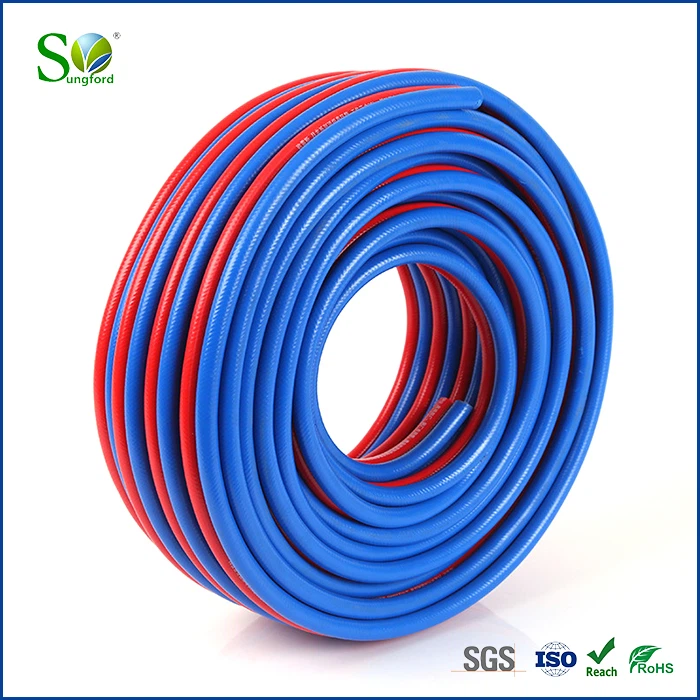
If you're in the market for high-quality welding hoses for your plasma cutting machine, I invite you to contact me for more information. I'm a leading supplier of welding hoses, and I offer a wide range of products to meet your needs. Whether you need a PVC twin welding hose or an oxygen acetylene welding hose, I can help you find the right solution for your application.
References
- "Plasma Cutting Basics." The Fabricator. Accessed September 15, 2023.
- "Welding Hose Selection Guide." Welding Tips and Tricks. Accessed September 15, 2023.
- "How to Maintain Welding Hoses." Miller Electric. Accessed September 15, 2023.