

Hey there! As a supplier of hose clamps, I've seen firsthand how these little devices play a crucial role in various industries. Today, I'm gonna break down how hose clamps work and why they're so important.
First off, let's talk about what hose clamps are. Hose clamps are used to secure hoses onto fittings, preventing leaks and ensuring a tight connection. They come in different types, such as worm gear clamps, spring clamps, and T-bolt clamps, each designed for specific applications.
Let's start with the most common type - the worm gear clamp. You've probably seen these before. They consist of a metal band with a screw mechanism. The band is wrapped around the hose and the fitting, and then the screw is tightened. As you turn the screw, it pulls the band tighter around the hose, creating a secure seal. It's like tightening a belt around your waist to keep your pants up. The more you tighten the screw, the more pressure is applied to the hose, making the connection stronger.
One of the great things about worm gear clamps is their adjustability. You can easily loosen or tighten them as needed, which is super handy if you need to make changes or replace a hose. They're also relatively inexpensive and widely available, making them a popular choice for both professional and DIY applications.
Spring clamps, on the other hand, work a bit differently. They're made of a coiled spring that exerts constant pressure on the hose. When you place the spring clamp around the hose and fitting, the spring compresses, creating a tight seal. Spring clamps are often used in applications where a quick and easy installation is required, like in automotive and plumbing systems. They're also great for applications where the hose may expand or contract due to temperature changes, as the spring can adjust to these changes and maintain a tight seal.
T-bolt clamps are another type of hose clamp that's commonly used in high-pressure applications. They consist of a metal band with a T-bolt and nut. The T-bolt is inserted through a slot in the band and then tightened using a wrench. T-bolt clamps can provide a very high clamping force, making them ideal for applications where a leak-proof seal is essential, such as in industrial machinery and hydraulic systems.
Now, let's talk about why hose clamps are so important. In many industries, a leaky hose can cause serious problems. For example, in the automotive industry, a leaking coolant hose can lead to overheating and engine damage. In the plumbing industry, a leaking water hose can cause water damage to a building. Hose clamps help prevent these issues by ensuring a tight and secure connection between the hose and the fitting.
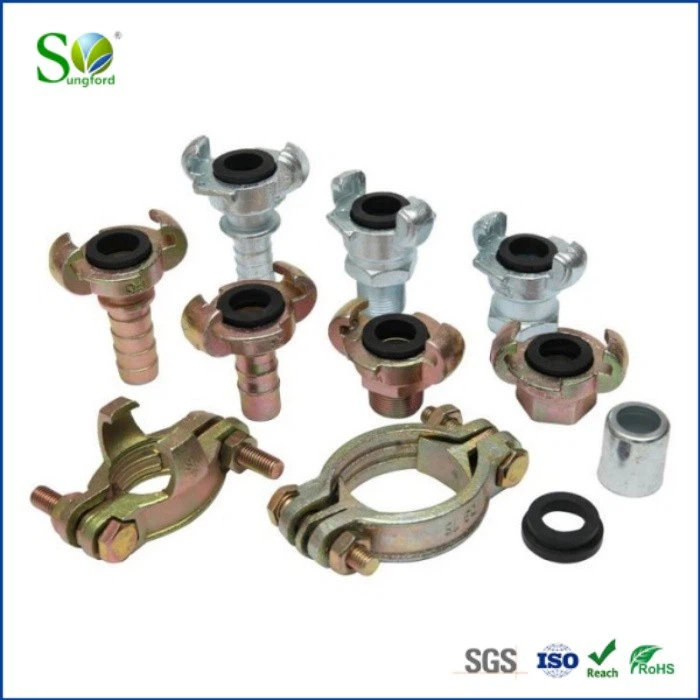
Another important aspect of hose clamps is their durability. Most hose clamps are made of high-quality materials, such as stainless steel or zinc-plated steel, which can withstand harsh environments and resist corrosion. This means that they can last for a long time, providing reliable performance over the life of the hose.
As a hose clamps supplier, I know that choosing the right hose clamp for your application is crucial. That's why we offer a wide range of hose clamps to meet the needs of different industries and applications. Whether you need a worm gear clamp for a simple DIY project or a T-bolt clamp for a high-pressure industrial application, we've got you covered.
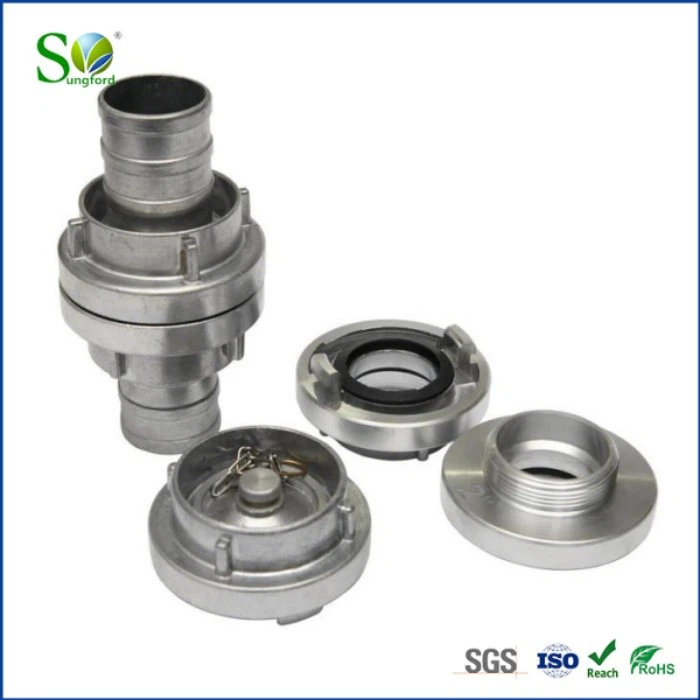
If you're interested in learning more about our Hose Clampls, or if you need help choosing the right clamp for your application, feel free to reach out to us. We have a team of experts who can provide you with the information and support you need. And if you're also looking for Hose Couplings, we offer those as well.
In conclusion, hose clamps are simple yet essential devices that play a vital role in ensuring the proper functioning of hoses in various industries. By understanding how they work and choosing the right type for your application, you can prevent leaks, protect your equipment, and ensure a safe and reliable operation. So, if you're in the market for hose clamps or hose couplings, don't hesitate to contact us. We're here to help you find the best solutions for your needs.
References:
- "Hose Clamps: A Comprehensive Guide" - Various industry publications
- "The Basics of Hose Fittings and Clamps" - Manufacturer's manuals and technical guides