

As a reputable hose fittings supplier, I often receive inquiries from customers about the suitability of our products in various environments. One question that comes up frequently is, "Can I use a hose fitting in a dusty environment?" In this blog post, I'll delve into this topic, exploring the challenges and considerations when using hose fittings in dusty conditions and providing guidance on how to ensure optimal performance and longevity.
Understanding the Challenges of Dusty Environments
Dusty environments pose unique challenges to hose fittings. Dust particles can infiltrate the fitting connections, causing abrasion, corrosion, and blockages. Over time, this can lead to leaks, reduced flow rates, and even complete failure of the hose system. Additionally, the presence of dust can make it difficult to maintain a proper seal between the hose and the fitting, increasing the risk of fluid or gas leakage.
Types of Hose Fittings Suitable for Dusty Environments
Not all hose fittings are created equal when it comes to dusty environments. Some types of fittings are better suited to withstand the challenges posed by dust and debris. Here are a few examples:

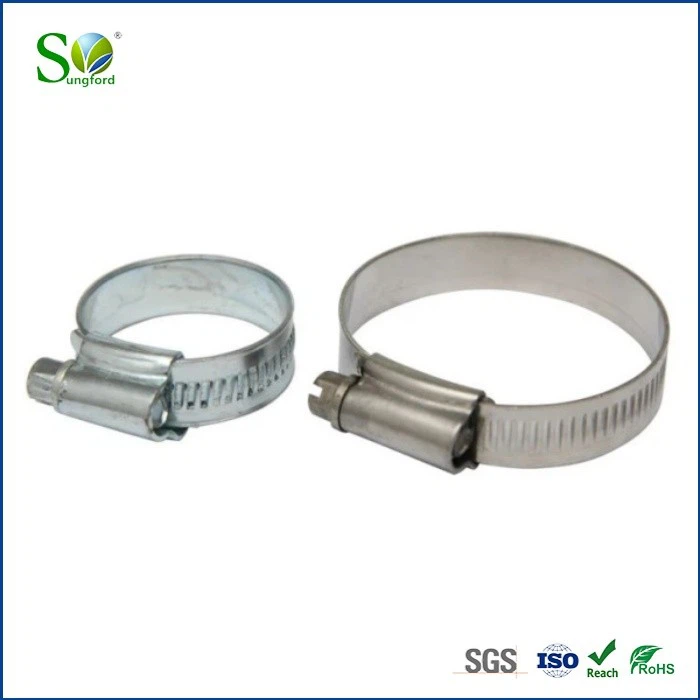
- Hose Clamps: Hose Clampls are a popular choice for securing hoses in dusty environments. They provide a tight, reliable seal that helps prevent dust from entering the fitting connection. Look for hose clamps made from corrosion-resistant materials, such as stainless steel, to ensure long-term durability.
- Hose Couplings: Hose Couplings are another option for use in dusty environments. They are designed to provide a quick and easy way to connect and disconnect hoses, while also maintaining a secure seal. Choose hose couplings with a dust-resistant design, such as those with O-rings or gaskets, to prevent dust from entering the fitting.
Factors to Consider When Using Hose Fittings in Dusty Environments
When using hose fittings in a dusty environment, there are several factors to consider to ensure optimal performance and longevity. Here are some key considerations:
- Material Selection: Choose hose fittings made from materials that are resistant to abrasion, corrosion, and dust. Stainless steel, brass, and plastic are all good options, depending on the specific application.
- Sealing Mechanism: Ensure that the hose fittings have a reliable sealing mechanism to prevent dust from entering the fitting connection. O-rings, gaskets, and seals can all help to create a tight seal and prevent leaks.
- Maintenance and Cleaning: Regular maintenance and cleaning are essential to keep hose fittings in good working condition in a dusty environment. Clean the fittings regularly to remove dust and debris, and inspect them for signs of wear or damage. Replace any worn or damaged fittings promptly to prevent further problems.
- Environmental Conditions: Consider the specific environmental conditions in which the hose fittings will be used. Factors such as temperature, humidity, and the type of dust present can all affect the performance and longevity of the fittings. Choose fittings that are designed to withstand the specific environmental conditions of your application.
Tips for Using Hose Fittings in Dusty Environments
Here are some additional tips to help you use hose fittings effectively in a dusty environment:
- Use Protective Covers: Consider using protective covers or sleeves to shield the hose fittings from dust and debris. These covers can help to prevent dust from entering the fitting connection and reduce the risk of abrasion and corrosion.
- Install Filters: Install filters in the hose system to remove dust and debris from the fluid or gas flowing through the hoses. This can help to prevent blockages and damage to the hose fittings.
- Monitor Performance: Regularly monitor the performance of the hose system to detect any signs of problems early on. Look for leaks, reduced flow rates, or unusual noises, and take appropriate action to address any issues promptly.
- Train Employees: Ensure that employees who work with the hose system are trained on the proper use and maintenance of the hose fittings in a dusty environment. This can help to prevent accidents and ensure the safe and efficient operation of the system.
Conclusion
In conclusion, it is possible to use hose fittings in a dusty environment, but it requires careful consideration and proper maintenance. By choosing the right type of hose fittings, using a reliable sealing mechanism, and following the tips outlined in this blog post, you can ensure optimal performance and longevity of your hose system in a dusty environment.
If you have any questions or need further guidance on using hose fittings in a dusty environment, please don't hesitate to contact us. As a leading hose fittings supplier, we have the expertise and experience to help you find the right solutions for your specific application. We look forward to working with you to meet your hose fitting needs.
References
- ASME B31.1: Power Piping
- ASTM D2000: Standard Classification System for Rubber Products in Automotive Applications
- ISO 14743: Rubber and Plastics Hoses and Hose Assemblies - Vocabulary