

Hey there! As a supplier of hose couplings, I often get asked a bunch of questions about using our products in different systems. One question that pops up quite a bit is, "Can I use a hose coupling for a well - water system?" Well, let's dive right into it and figure this out together.
First off, let's understand what a well - water system is. A well - water system is basically a setup that pumps water from an underground well to your home or wherever you need it. It involves a pump, pipes, and other components that work together to bring that precious water to the surface.
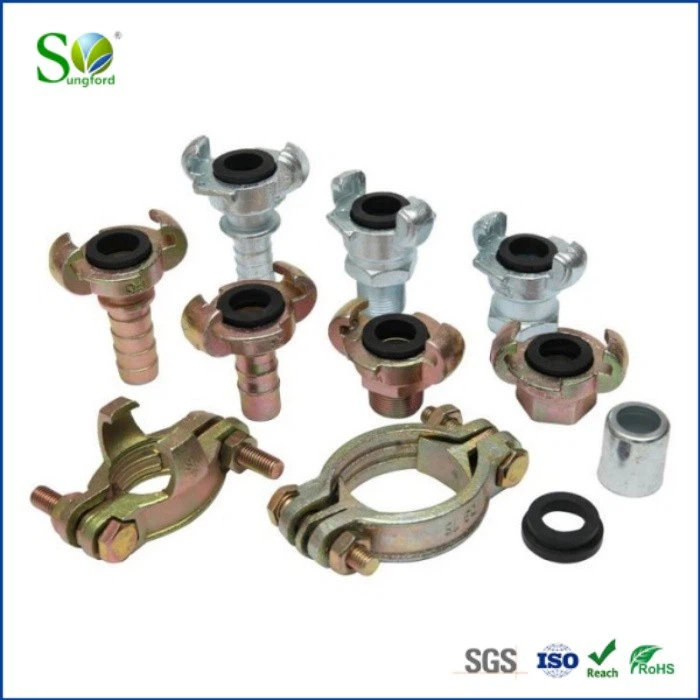
Now, what are hose couplings? Hose couplings are those nifty little devices that connect hoses to other hoses, pipes, or equipment. They come in different shapes, sizes, and materials, and their main job is to create a secure and leak - free connection. You can check out a wide range of Hose Couplings on our website.
So, can you use a hose coupling in a well - water system? The answer is, it depends. There are a few factors you need to consider before making that decision.

Pressure Rating
One of the most important things to think about is the pressure rating of the hose coupling. Well - water systems can generate a fair amount of pressure, especially if the well is deep or the pump is powerful. You need to make sure that the hose coupling you choose can handle the pressure that your well - water system produces. If the coupling can't handle the pressure, it could lead to leaks, or even worse, it might burst. This could cause water damage and be a real headache to fix.
Most well - water systems operate at pressures between 30 and 80 psi (pounds per square inch). You'll want to pick a hose coupling with a pressure rating that exceeds the maximum pressure of your system. For example, if your well - water system has a maximum pressure of 60 psi, look for a coupling with a pressure rating of at least 80 psi. This gives you a safety margin and ensures that the coupling can handle any sudden pressure spikes.
Material Compatibility
Another crucial factor is material compatibility. The water in a well can have different chemical compositions depending on the location. It might be acidic, alkaline, or contain minerals like iron or calcium. You need to choose a hose coupling material that won't corrode or degrade when it comes into contact with the well water.
Common materials for hose couplings include brass, stainless steel, and plastic. Brass is a popular choice because it's relatively inexpensive and has good corrosion resistance. However, if your well water is highly acidic, brass might not be the best option as it can corrode over time. Stainless steel is more resistant to corrosion and is a great choice for well - water systems, especially if you're dealing with aggressive water. Plastic couplings are lightweight and affordable, but they might not be as durable as metal ones. Make sure to choose a high - quality plastic that's designed for water applications.
Size and Thread Type
Getting the right size and thread type of the hose coupling is also essential. The size of the coupling needs to match the size of your hoses and pipes. If the coupling is too small, it can restrict the flow of water, reducing the efficiency of your well - water system. If it's too large, it won't create a proper seal, and you'll end up with leaks.
There are different thread types, such as NPT (National Pipe Thread) and BSP (British Standard Pipe). You need to make sure that the thread type of the coupling matches the thread type of your hoses and pipes. Using the wrong thread type can lead to a loose connection and leaks.
Temperature Considerations
Well - water temperatures can vary depending on the season and the depth of the well. In some areas, well water can be quite cold, especially during the winter months. In other cases, the water might be warmer if the well is shallow. You need to choose a hose coupling that can withstand the temperature range of your well - water system.
Some materials might become brittle in cold temperatures, which can increase the risk of cracking or breaking. Make sure to select a coupling material that remains flexible and durable over the temperature range of your well - water.
Installation and Maintenance
Proper installation and maintenance are key to ensuring that your hose coupling works well in a well - water system. When installing the coupling, make sure to follow the manufacturer's instructions carefully. Use the right tools and techniques to ensure a tight and secure connection.
Regular maintenance is also important. Check the coupling for any signs of wear, corrosion, or leaks on a regular basis. If you notice any issues, replace the coupling as soon as possible to prevent further problems.
Other Components in the System
Don't forget about the other components in your well - water system. Hose couplings often work in conjunction with other parts like Hose Clampls. These clamps help to secure the hoses to the couplings and prevent leaks. Make sure that all the components in your system are compatible and work together properly.
In conclusion, you can use a hose coupling for a well - water system, but you need to do your homework first. Consider the pressure rating, material compatibility, size, thread type, temperature, and installation and maintenance requirements. By choosing the right hose coupling and taking proper care of it, you can ensure a reliable and efficient well - water system.
If you're still not sure which hose coupling is right for your well - water system, don't hesitate to reach out to us. We've got a team of experts who can help you make the right choice. Whether you're a homeowner looking to upgrade your well - water system or a contractor working on a big project, we're here to assist you. Contact us today to start the procurement process and get the best hose couplings for your needs.
References
- "Water Well Systems Handbook"
- Industry standards and guidelines for hose couplings and well - water systems.