

As a seasoned supplier of hose couplings, I often encounter various inquiries from customers regarding the compatibility and application of our products. One question that frequently comes up is, "Can I use a hose coupling for a refrigeration hose?" This blog post aims to provide a comprehensive answer to this question, delving into the technical aspects, safety considerations, and industry standards.

Understanding Refrigeration Hoses and Hose Couplings
Refrigeration hoses are specialized components designed to carry refrigerants in air conditioning and refrigeration systems. These hoses must withstand high pressures, extreme temperatures, and chemical reactions with refrigerants. They are typically made of materials such as rubber or synthetic polymers, which are resistant to the corrosive effects of refrigerants and can maintain their integrity under harsh conditions.
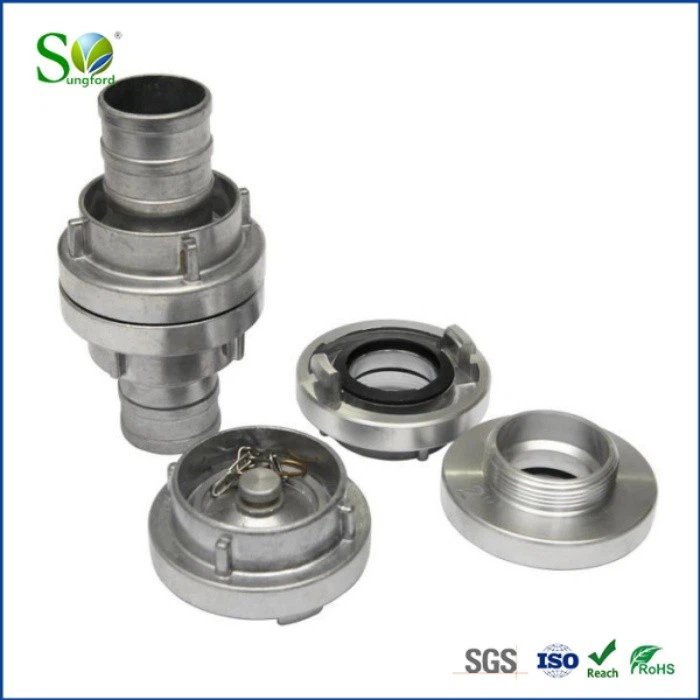
On the other hand, hose couplings are used to connect hoses to other components, such as valves, pumps, or other hoses. They come in a variety of types, including threaded, quick-connect, and compression couplings, each designed for specific applications and operating conditions. Hose couplings are made from materials such as brass, stainless steel, or plastic, depending on the requirements of the system.
Compatibility Considerations
When considering using a hose coupling for a refrigeration hose, several factors need to be taken into account to ensure compatibility and safe operation.
Pressure Rating
Refrigeration systems operate at high pressures, and the hose coupling must be able to withstand these pressures without leaking or failing. The pressure rating of the coupling should be equal to or higher than the maximum operating pressure of the refrigeration system. It is essential to check the manufacturer's specifications for both the hose and the coupling to ensure they are compatible in terms of pressure rating.
Temperature Resistance
Refrigeration systems can experience extreme temperature variations, from very cold to very hot. The hose coupling must be able to maintain its integrity and performance over this temperature range. Some materials may become brittle at low temperatures or lose their strength at high temperatures, so it is crucial to choose a coupling made from a material that can withstand the expected temperature conditions.
Chemical Compatibility
Refrigerants can be highly reactive and corrosive, and the hose coupling must be resistant to these chemicals. The material of the coupling should not react with the refrigerant or any other chemicals present in the system, as this could lead to degradation, leakage, or failure of the coupling. It is important to consult the manufacturer's guidelines to ensure that the coupling is compatible with the specific refrigerant being used.
Size and Fitting
The size and fitting of the hose coupling must match the size and type of the refrigeration hose. A proper fit is essential to ensure a secure and leak-free connection. Incorrect sizing or fitting can result in leaks, reduced performance, or even system failure. It is recommended to use couplings that are specifically designed for refrigeration hoses to ensure a proper fit and compatibility.
Industry Standards and Regulations
The use of hose couplings in refrigeration systems is subject to various industry standards and regulations. These standards are in place to ensure the safety and reliability of refrigeration systems and to protect the environment. Some of the key standards and regulations that apply to refrigeration hoses and couplings include:
ASHRAE Standards
The American Society of Heating, Refrigerating and Air-Conditioning Engineers (ASHRAE) has developed a series of standards for refrigeration systems, including standards for hoses and couplings. These standards specify the requirements for materials, construction, performance, and testing of refrigeration hoses and couplings.
UL Standards
Underwriters Laboratories (UL) is a global safety certification company that has developed standards for a wide range of products, including refrigeration hoses and couplings. UL standards ensure that products meet specific safety requirements and are suitable for use in various applications.
EPA Regulations
The Environmental Protection Agency (EPA) regulates the use of refrigerants in the United States to protect the environment. The EPA has established regulations regarding the handling, storage, and disposal of refrigerants, as well as the use of equipment and components in refrigeration systems. It is important to comply with these regulations to avoid fines and penalties.
Choosing the Right Hose Coupling for a Refrigeration Hose
Based on the above considerations, it is clear that not all hose couplings are suitable for use with refrigeration hoses. When choosing a hose coupling for a refrigeration application, it is important to select a coupling that is specifically designed for this purpose and meets the relevant industry standards and regulations.
At [Supplier Name], we offer a wide range of hose couplings that are designed for use in refrigeration systems. Our couplings are made from high-quality materials, such as brass and stainless steel, and are available in a variety of sizes and types to meet the needs of different applications. We also provide detailed product specifications and technical support to help our customers choose the right coupling for their specific requirements.
Safety Considerations
When working with refrigeration hoses and couplings, it is important to follow proper safety procedures to avoid accidents and injuries. Some of the key safety considerations include:
Wear Protective Gear
When handling refrigerants and working on refrigeration systems, it is important to wear appropriate protective gear, such as gloves, goggles, and a respirator. This will help to protect you from exposure to refrigerants, which can be harmful to your health.
Follow Manufacturer's Instructions
Always follow the manufacturer's instructions when installing, using, and maintaining refrigeration hoses and couplings. This will help to ensure that the equipment is installed correctly and operates safely.
Test the System
Before putting a refrigeration system into operation, it is important to test the system for leaks and proper operation. This will help to identify any potential problems and ensure that the system is safe and reliable.
Dispose of Refrigerants Properly
Refrigerants are harmful to the environment and must be disposed of properly. When replacing a refrigeration hose or coupling, it is important to follow the proper procedures for recovering and recycling the refrigerant.
Conclusion
In conclusion, while it is possible to use a hose coupling for a refrigeration hose, it is important to choose the right coupling and ensure that it is compatible with the hose and the refrigeration system. By considering factors such as pressure rating, temperature resistance, chemical compatibility, size and fitting, and industry standards, you can select a coupling that will provide a safe and reliable connection for your refrigeration system.
At [Supplier Name], we are committed to providing our customers with high-quality hose couplings that are designed for use in refrigeration systems. Our couplings are manufactured to the highest standards and are backed by our technical expertise and customer support. If you have any questions or need assistance in choosing the right coupling for your application, please do not hesitate to contact us. We look forward to working with you to meet your hose coupling needs.
References
- American Society of Heating, Refrigerating and Air-Conditioning Engineers (ASHRAE). (Year). ASHRAE Standards for Refrigeration Systems.
- Underwriters Laboratories (UL). (Year). UL Standards for Refrigeration Hoses and Couplings.
- Environmental Protection Agency (EPA). (Year). EPA Regulations for Refrigerants and Refrigeration Systems.