

Hey there! As a supplier of hose couplings, I often get asked a bunch of questions about what these things can and can't do. One question that pops up more often than you'd think is, "Can I use a hose coupling for a gas hose?" It's a super important question, and I'm gonna break it down for you in this blog.
First off, let's talk a bit about what hose couplings are. Hose couplings are basically the connectors that join two hoses together or connect a hose to a piece of equipment. They come in all shapes and sizes, and you can find them at Hose Couplings. These little guys are crucial for making sure your hoses work properly and don't leak.

Now, when it comes to gas hoses, things get a bit more serious. Gas is flammable and can be dangerous if not handled correctly. So, using the right coupling for a gas hose is a must. You can't just slap any old coupling on a gas hose and expect it to be safe.
There are some key differences between regular hose couplings and those designed for gas hoses. Gas hose couplings are made to meet strict safety standards. They're usually made from materials that can withstand the pressure and chemical properties of the gas flowing through them. For example, they might be made from brass or stainless steel, which are resistant to corrosion and can handle high pressures.
Regular hose couplings, on the other hand, might be made from cheaper materials like plastic or rubber. These materials might not be able to handle the harsh conditions of a gas hose. They could crack, break, or degrade over time, leading to gas leaks. And as I said before, gas leaks are a big no - no.
Another important factor is the seal. Gas hose couplings need to have a really tight seal to prevent any gas from escaping. They often use special gaskets or O - rings that are designed to create a leak - proof connection. Regular hose couplings might not have these high - quality sealing components, which means there's a greater risk of gas seeping out.
So, can you use a regular hose coupling for a gas hose? The short answer is no. It's just not worth the risk. Using the wrong coupling could lead to a gas leak, which could cause an explosion or a fire. And trust me, you don't want that.
But what if you're in a pinch and you think you can make it work? Well, don't even try. It's better to be safe than sorry. Instead, look for a coupling that's specifically designed for gas hoses. You can find a wide range of these at Hose Couplings. These couplings are tested and certified to meet the necessary safety standards, so you can have peace of mind knowing that your gas hose is properly connected.
When you're choosing a gas hose coupling, there are a few things you should keep in mind. First, make sure it's the right size for your hose. You don't want a coupling that's too big or too small, as this can also lead to leaks. Second, check the pressure rating. The coupling should be able to handle the pressure of the gas in your system. If the pressure is too high for the coupling, it could fail.
You also need to consider the type of gas you're using. Different gases have different chemical properties, and some couplings might be better suited for certain gases than others. For example, natural gas and propane have different characteristics, so you'll need a coupling that's compatible with the specific gas you're working with.
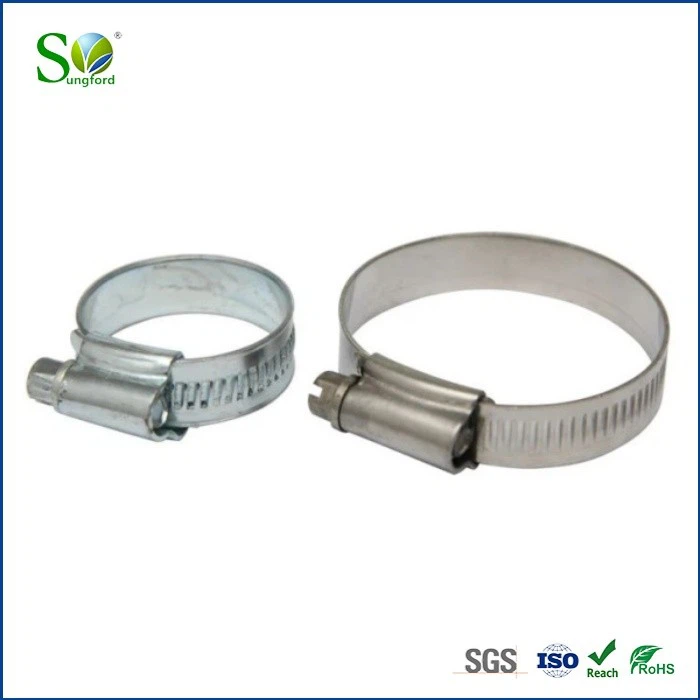
In addition to the coupling itself, you'll also need to think about hose clamps. Hose clamps are used to secure the hose to the coupling, making sure it doesn't come loose. You can find a variety of hose clamps at Hose Clampls. These clamps come in different sizes and styles, so you can choose the one that's right for your application.
Using the right hose clamp is just as important as using the right coupling. A loose clamp can cause the hose to slip off the coupling, leading to a gas leak. So, make sure you tighten the clamp properly and check it regularly to make sure it's still secure.
If you're still not sure which coupling or clamp to choose, don't worry. That's what we're here for. As a hose coupling supplier, we have a team of experts who can help you find the right products for your needs. We can answer all your questions and give you advice on installation and maintenance.
Whether you're a professional in the industry or a DIY enthusiast, safety should always be your top priority when working with gas hoses. Using the wrong coupling or clamp is a huge safety risk, so it's always better to invest in high - quality, certified products.
In conclusion, using a regular hose coupling for a gas hose is a bad idea. It's dangerous and could lead to serious consequences. Instead, opt for a coupling that's specifically designed for gas hoses. And don't forget about the hose clamps! They're an essential part of the system.
If you're in the market for hose couplings or hose clamps, we'd love to hear from you. We offer a wide range of products at competitive prices, and we're committed to providing excellent customer service. Whether you have a small project or a large industrial application, we can help you find the right solutions.
So, if you have any questions or if you're ready to start your purchase, feel free to reach out. We're here to make sure you get the best products for your gas hose needs.
References
- Industry safety standards for gas hose couplings
- Manufacturer's guidelines for hose couplings and clamps