

As a seasoned supplier of hose clamps, I often get asked the question: "Can I make my own hose clamps?" It's a valid inquiry, especially for those who are hands - on, looking to save some money, or simply enjoy the DIY process. In this blog, I'll explore the feasibility of making your own hose clamps, the pros and cons, and when it might be a better idea to stick with purchasing from a reliable supplier like us.
Understanding Hose Clamps
Before we dive into the DIY aspect, let's briefly understand what hose clamps are. Hose clamps are used to secure hoses onto fittings, preventing leaks and ensuring a tight seal. They come in various types, such as worm - drive clamps, constant - tension clamps, and spring clamps. Each type has its own unique features and applications. For instance, worm - drive clamps are very common and can be adjusted easily using a screwdriver, making them suitable for a wide range of hose sizes and materials. You can find more information about different types of Hose Clampls on our website.
The Feasibility of Making Your Own Hose Clamps
Tools and Materials
Making your own hose clamps requires a certain set of tools and materials. For the materials, you'll need a suitable metal strip. Stainless steel is a popular choice due to its corrosion resistance, but you could also use other metals like mild steel. You'll also need a way to cut the metal strip to the right length, which could be a hacksaw or a metal cutting shear.
To form the clamp, you'll need a bending tool. A simple vice can be used for basic bends, but for more precise and consistent bends, a specialized bending jig might be necessary. Additionally, if you're making a worm - drive clamp, you'll need a screw mechanism. This could involve sourcing small screws and nuts or even machining your own.
Skills Required
Making hose clamps is not a beginner - level DIY project. It requires a good understanding of metalworking techniques. You need to be able to cut the metal accurately, bend it without cracking or deforming it too much, and assemble the parts properly. For example, when bending the metal strip to form the circular shape of the clamp, it needs to be a perfect circle or oval to fit the hose and fitting correctly. If the bend is off, the clamp might not provide a tight seal.
Advantages of Making Your Own Hose Clamps
Cost - Savings
One of the main reasons people consider making their own hose clamps is cost - savings. Buying high - quality hose clamps in small quantities can be relatively expensive. By making your own, you can source the materials in bulk at a lower cost per unit. For example, if you need just a few clamps for a home project, buying them individually from a store can be pricey. But if you buy a large roll of stainless - steel strip and other components in bulk, you can make multiple clamps at a fraction of the cost.
Customization
Another advantage is the ability to customize the clamps. You can make them in non - standard sizes or shapes to fit a specific application. Maybe you have a unique hose or fitting that requires a clamp with a particular diameter or width. By making your own, you have the freedom to create a clamp that is tailored to your exact needs.
Disadvantages of Making Your Own Hose Clamps
Quality Control
When you make your own hose clamps, you are solely responsible for the quality. There is no standardized manufacturing process or quality - control checks like there are in a professional production facility. This means that the clamps you make might not have the same level of reliability and performance as commercially - made ones. For example, the metal might not be heat - treated properly, which could lead to the clamp losing its tension over time and causing leaks.
Time - Consuming
Making hose clamps is a time - consuming process. It involves multiple steps, from sourcing the materials to cutting, bending, and assembling. If you are in a hurry to complete a project, spending hours or even days making your own clamps might not be practical. In contrast, when you purchase from a supplier like us, you can get the clamps delivered quickly and start your project right away.
When to Make Your Own and When to Buy
DIY Projects with Low Requirements
If you are working on a small - scale DIY project at home where the performance requirements of the hose clamps are not extremely high, making your own might be a viable option. For example, if you are building a simple water - irrigation system in your garden and the pressure is relatively low, you can make your own clamps with a bit of care.
Professional or High - Performance Applications
For professional applications or projects where the reliability of the hose clamps is crucial, it is almost always better to buy from a trusted supplier. In industrial settings, for example, where high - pressure fluids or gases are involved, a faulty clamp can lead to serious safety hazards and costly downtime. Commercially - made hose clamps are designed and tested to meet strict industry standards.
The Benefits of Buying from a Supplier
Quality Assurance
As a hose - clamp supplier, we have strict quality - control measures in place. Our clamps are manufactured using advanced machinery and processes to ensure consistent quality. We test each clamp to make sure it can withstand the required pressure and environmental conditions. This gives you peace of mind knowing that the clamps you are using are reliable and safe.

Wide Range of Options
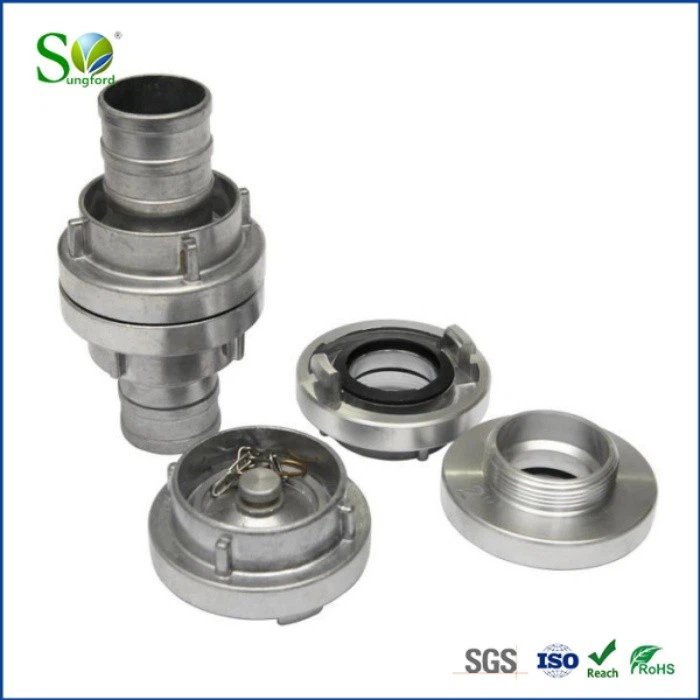
We offer a wide range of hose clamps to suit different applications. Whether you need worm - drive clamps for general use, constant - tension clamps for automotive applications, or spring clamps for quick - connect systems, we have them all. You can also find a variety of sizes and materials to choose from. Additionally, we also supply related products such as Hose Couplings, which can be used in conjunction with the clamps.
Technical Support
When you buy from us, you have access to our technical support team. If you have any questions about which type of clamp is best for your application, or how to install them properly, our experts are here to help. We can provide detailed instructions and advice based on our years of experience in the industry.
Conclusion
In conclusion, while it is possible to make your own hose clamps, it is not without its challenges. There are certainly advantages in terms of cost - savings and customization, but the quality and reliability might be compromised. For most professional and high - performance applications, it is recommended to buy from a reputable supplier like us.
If you are in the market for high - quality hose clamps or have any questions about our products, we encourage you to reach out to us for a purchasing consultation. Our team is ready to assist you in finding the perfect hose - clamp solutions for your needs.
References
- "Handbook of Hose Fittings and Couplings" - A comprehensive guide on hose - related products and their applications.
- "Metalworking for Beginners" - A book that provides basic knowledge about metal - cutting, bending, and other related techniques.