

In the realm of fluid transfer systems, hose fittings play a crucial role in ensuring seamless connections and efficient operation. As a dedicated hose fittings supplier, I often encounter inquiries from customers about the suitability of our products in corrosive environments. This blog post aims to delve into this topic, exploring the factors that determine whether hose fittings can be used in such challenging conditions and highlighting the solutions we offer to meet these demands.
Understanding Corrosive Environments
Corrosive environments are characterized by the presence of substances that can cause the deterioration of materials over time. These substances can include chemicals, acids, alkalis, salts, and moisture. The severity of corrosion depends on various factors, such as the type and concentration of the corrosive agent, temperature, pressure, and the duration of exposure.

Industries such as chemical processing, oil and gas, food and beverage, and marine are particularly prone to corrosive environments. In these sectors, hose fittings are exposed to a wide range of aggressive substances, which can compromise their integrity and performance if not properly selected and maintained.
Factors Affecting the Performance of Hose Fittings in Corrosive Environments
Several factors influence the ability of hose fittings to withstand corrosive environments. Understanding these factors is essential for selecting the right fittings for specific applications.
Material Selection
The choice of material is perhaps the most critical factor in determining the corrosion resistance of hose fittings. Different materials have varying degrees of resistance to different types of corrosive agents. Some of the commonly used materials for hose fittings in corrosive environments include:
- Stainless Steel: Stainless steel is a popular choice due to its excellent corrosion resistance, strength, and durability. It contains chromium, which forms a passive oxide layer on the surface, protecting the metal from further corrosion. Different grades of stainless steel are available, each with its own level of corrosion resistance. For example, 316 stainless steel is more resistant to corrosion in chloride-rich environments compared to 304 stainless steel.
- Brass: Brass is a copper-zinc alloy that offers good corrosion resistance in many applications. It is relatively inexpensive and easy to machine, making it a common choice for general-purpose hose fittings. However, brass may not be suitable for highly corrosive environments, especially those containing ammonia or certain acids.
- Plastic: Plastic materials such as polypropylene, polyethylene, and PVC are lightweight, corrosion-resistant, and cost-effective. They are often used in applications where chemical resistance is a primary concern. However, plastic fittings may have limitations in terms of temperature and pressure ratings compared to metal fittings.
Surface Treatment
In addition to material selection, surface treatment can also enhance the corrosion resistance of hose fittings. Some common surface treatments include:
- Electroplating: Electroplating involves depositing a thin layer of metal onto the surface of the fitting to provide a protective barrier against corrosion. Common electroplating materials include nickel, chrome, and zinc.
- Galvanizing: Galvanizing is a process of coating the fitting with a layer of zinc to prevent rusting. It is commonly used for steel fittings in outdoor or marine applications.
- Powder Coating: Powder coating is a method of applying a dry powder to the surface of the fitting and then curing it to form a durable, protective finish. Powder coatings can provide excellent corrosion resistance and can be customized in terms of color and texture.
Design and Construction
The design and construction of hose fittings can also affect their performance in corrosive environments. Fittings with smooth surfaces and minimal crevices are less likely to trap corrosive substances, reducing the risk of corrosion. Additionally, proper sealing and gasketing can prevent the ingress of corrosive agents into the fitting, further enhancing its corrosion resistance.
Our Solutions for Corrosive Environments
As a leading hose fittings supplier, we understand the challenges faced by our customers in corrosive environments. That's why we offer a wide range of high-quality hose fittings that are specifically designed to withstand these conditions.
Corrosion-Resistant Materials
We offer hose fittings made from a variety of corrosion-resistant materials, including stainless steel, brass, and plastic. Our stainless steel fittings are available in different grades, ensuring that we can provide the right solution for your specific application. Whether you need fittings for a chemical processing plant, an oil and gas refinery, or a marine vessel, we have the expertise and products to meet your needs.
Customized Surface Treatments
In addition to our standard product offerings, we also provide customized surface treatments to enhance the corrosion resistance of our hose fittings. Our electroplating, galvanizing, and powder coating services can be tailored to your specific requirements, ensuring that your fittings are protected against the most aggressive corrosive agents.
Expert Advice and Support
Our team of experienced engineers and technicians is available to provide expert advice and support on the selection and installation of hose fittings in corrosive environments. We can help you evaluate your application requirements, recommend the most suitable materials and surface treatments, and ensure that your fittings are installed correctly to maximize their performance and longevity.
Applications of Our Hose Fittings in Corrosive Environments
Our hose fittings are used in a wide range of applications in corrosive environments. Some of the common industries and applications include:
Chemical Processing
In the chemical processing industry, hose fittings are used to transfer a variety of chemicals, including acids, alkalis, solvents, and polymers. Our corrosion-resistant fittings are designed to withstand the harsh chemical environments found in chemical plants, ensuring reliable and safe operation.
Oil and Gas
The oil and gas industry operates in some of the most challenging environments, including offshore platforms, refineries, and pipelines. Our hose fittings are used to connect hoses for the transfer of oil, gas, and other fluids, providing a secure and leak-free connection in corrosive conditions.
Food and Beverage
In the food and beverage industry, hose fittings are used to transfer liquids such as water, milk, juice, and wine. Our fittings are made from food-grade materials that are resistant to corrosion and contamination, ensuring the safety and quality of the products being transferred.
Marine
The marine environment is highly corrosive due to the presence of saltwater and moisture. Our hose fittings are used in a variety of marine applications, including shipbuilding, offshore oil and gas platforms, and marine transportation. Our corrosion-resistant fittings are designed to withstand the harsh marine conditions, providing reliable performance and long service life.
Conclusion
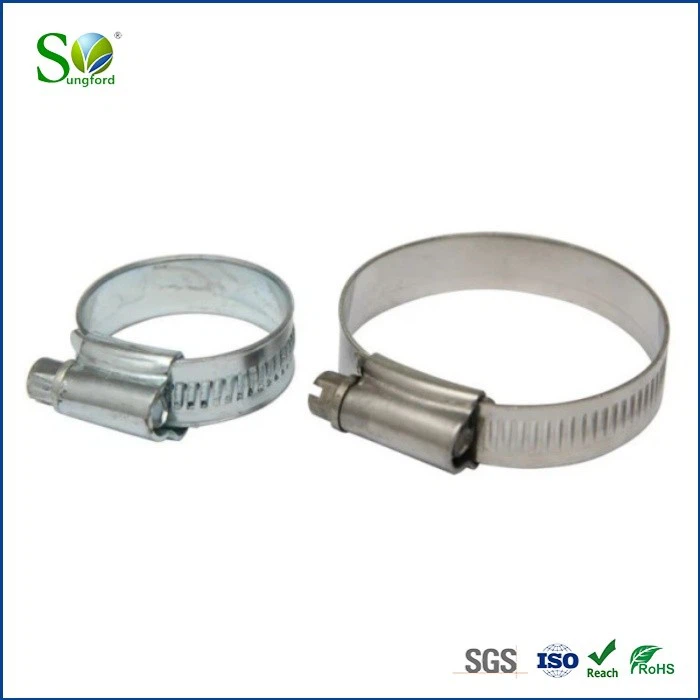
In conclusion, hose fittings can be used in corrosive environments, provided that the right materials, surface treatments, and design features are selected. As a hose fittings supplier, we are committed to providing our customers with high-quality products and solutions that meet their specific needs in corrosive environments. Whether you are looking for Hose Couplings or Hose Clampls, we have the expertise and products to help you achieve reliable and efficient fluid transfer in even the most challenging conditions.
If you have any questions or need further information about our hose fittings for corrosive environments, please do not hesitate to contact us. Our team of experts is ready to assist you with your procurement and technical inquiries. We look forward to the opportunity to work with you and provide you with the best hose fitting solutions for your applications.
References
- Fontana, M. G. (1986). Corrosion Engineering. McGraw-Hill.
- Uhlig, H. H., & Revie, R. W. (1985). Corrosion and Corrosion Control. Wiley-Interscience.
- ASTM International. (2023). Standards related to corrosion testing and materials. Retrieved from https://www.astm.org/