

Can hose clamps be used in vacuum systems? This is a question that many engineers, technicians, and hobbyists often ask when dealing with vacuum applications. As a supplier of Hose Clampls, I have encountered this query numerous times, and in this blog post, I will delve into the feasibility, considerations, and best practices of using hose clamps in vacuum systems.
Understanding Vacuum Systems
Before we discuss the use of hose clamps in vacuum systems, it's essential to understand what a vacuum system is. A vacuum system is designed to create and maintain a pressure lower than the ambient atmospheric pressure. These systems are used in a wide range of applications, from scientific research and industrial manufacturing to household appliances. The integrity of the vacuum is crucial, as any leakage can compromise the performance and efficiency of the system.

The Role of Hose Clamps
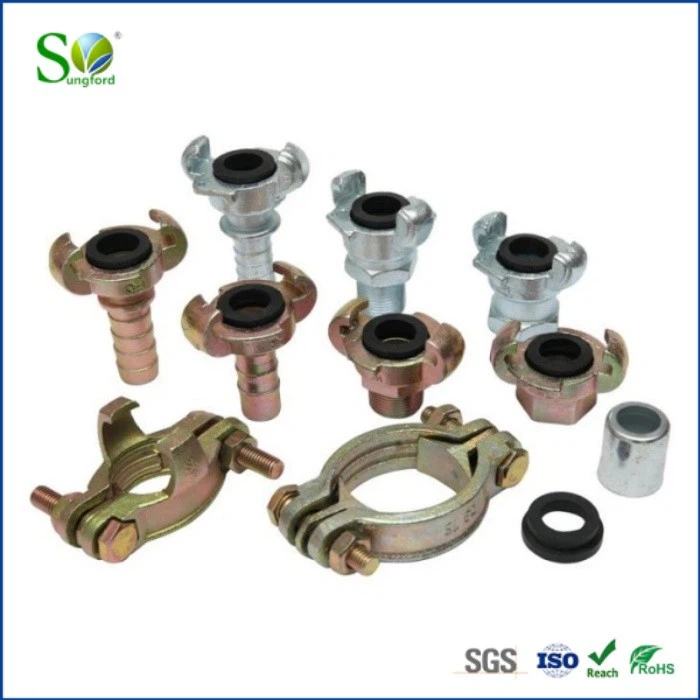
Hose clamps are mechanical devices used to secure hoses onto fittings, preventing the leakage of fluids or gases. They come in various types, including worm gear clamps, T-bolt clamps, and spring clamps, each with its own advantages and applications. In a vacuum system, hose clamps play a similar role, ensuring a tight seal between the hose and the fitting to maintain the vacuum.
Feasibility of Using Hose Clamps in Vacuum Systems
The short answer is yes, hose clamps can be used in vacuum systems. However, several factors need to be considered to ensure their effectiveness and reliability.
Material Compatibility
The materials used in the hose clamp and the hose must be compatible with the vacuum environment. Some materials may outgas under vacuum conditions, releasing gases that can contaminate the system or affect the vacuum level. For example, certain plastics and rubber compounds may outgas at low pressures, so it's important to choose materials that are specifically designed for vacuum applications. Stainless steel is a popular choice for hose clamps in vacuum systems due to its low outgassing properties and corrosion resistance.
Seal Integrity
A proper seal is crucial in a vacuum system to prevent air leakage. Hose clamps need to provide sufficient clamping force to ensure a tight seal between the hose and the fitting. The clamping force should be evenly distributed around the circumference of the hose to prevent any gaps or leaks. Worm gear clamps are commonly used in vacuum systems because they can provide a high clamping force and can be easily adjusted to achieve the desired tightness.
Vacuum Rating
Not all hose clamps are suitable for high-vacuum applications. Some clamps may be rated for low-vacuum environments, while others are designed for high-vacuum or ultra-high-vacuum systems. It's important to choose a hose clamp with a vacuum rating that meets the requirements of your specific application. The vacuum rating indicates the maximum pressure differential that the clamp can withstand without leaking.
Temperature and Pressure Range
The temperature and pressure conditions in the vacuum system can also affect the performance of the hose clamp. Extreme temperatures can cause the materials to expand or contract, which may affect the clamping force and the seal integrity. Similarly, high pressures can put additional stress on the clamp, so it's important to choose a clamp that can withstand the temperature and pressure range of your system.
Considerations for Using Hose Clamps in Vacuum Systems
In addition to the factors mentioned above, there are several other considerations when using hose clamps in vacuum systems.
Installation
Proper installation is crucial to ensure the effectiveness of the hose clamp. The clamp should be installed correctly on the hose and the fitting, with the screw or bolt tightened to the recommended torque. Over-tightening the clamp can damage the hose or the fitting, while under-tightening can result in a leak. It's also important to ensure that the hose is clean and free of any debris before installing the clamp to prevent any contamination of the system.
Maintenance
Regular maintenance is necessary to ensure the long-term performance of the hose clamp in a vacuum system. The clamp should be inspected periodically for signs of wear, corrosion, or damage. If any issues are detected, the clamp should be replaced immediately to prevent any potential leaks. Additionally, the hose and the fitting should also be inspected for any signs of damage or wear, as these can also affect the seal integrity.
Compatibility with Other Components
Hose clamps need to be compatible with other components in the vacuum system, such as Hose Couplings. The size and shape of the clamp should match the size and shape of the hose and the fitting to ensure a proper fit. It's also important to consider the overall design of the system and how the clamp will interact with other components to ensure a seamless and efficient operation.
Best Practices for Using Hose Clamps in Vacuum Systems
To ensure the successful use of hose clamps in vacuum systems, the following best practices should be followed:
Choose the Right Clamp
Select a hose clamp that is specifically designed for vacuum applications and has the appropriate vacuum rating, material compatibility, and clamping force. Consider the temperature and pressure range of your system, as well as the type of hose and fitting you are using.
Install the Clamp Correctly
Follow the manufacturer's instructions for installing the hose clamp. Use the recommended torque settings to ensure a proper seal without over-tightening the clamp. Make sure the hose is clean and free of any debris before installation.
Inspect and Maintain Regularly
Regularly inspect the hose clamp and the hose for signs of wear, corrosion, or damage. Replace any components that show signs of deterioration to prevent any potential leaks. Keep a record of the maintenance schedule and any issues that are detected.
Consider Additional Sealing Measures
In some cases, additional sealing measures may be required to ensure a reliable seal in a vacuum system. For example, using a vacuum-compatible sealant or gasket can provide an extra layer of protection against air leakage. However, it's important to choose a sealant or gasket that is compatible with the materials used in the hose clamp and the hose.
Conclusion
In conclusion, hose clamps can be used in vacuum systems, but careful consideration must be given to material compatibility, seal integrity, vacuum rating, temperature and pressure range, installation, and maintenance. By choosing the right hose clamp and following the best practices outlined in this blog post, you can ensure the effectiveness and reliability of your vacuum system.
If you are in the market for high-quality hose clamps for your vacuum system, we are here to help. As a leading supplier of Hose Clampls, we offer a wide range of products that are specifically designed for vacuum applications. Our experienced team can provide you with expert advice and guidance to help you choose the right hose clamp for your needs. Contact us today to discuss your requirements and start a procurement negotiation.
References
- ASME B31.3 Process Piping Code
- ASTM F1388 Standard Specification for Stainless Steel Worm Gear Hose Clamps
- Vacuum Technology Handbook