

Hey there! As a supplier of PVC gas hoses, I often get asked if a PVC gas hose can be repaired when it's damaged. Well, let's dive right into this topic and figure it out.
First off, let's understand what PVC gas hoses are. PVC, or polyvinyl chloride, is a common material used to make these hoses. They're widely used in various applications where the transfer of gas is required, like in some home appliances and small - scale industrial setups. Our PVC Gas Hose products are known for their durability and flexibility, but even the best - made hoses can get damaged over time.
So, what are the common causes of damage to PVC gas hoses? One of the most common reasons is wear and tear. If the hose is constantly bent, twisted, or rubbed against rough surfaces, it can start to develop cracks. Exposure to extreme temperatures can also be a culprit. For example, if the hose is left in direct sunlight for long periods, the PVC material can become brittle and crack. Chemical exposure is another factor. Some chemicals can react with the PVC, causing it to degrade and lose its integrity.
Now, the big question: Can a damaged PVC gas hose be repaired? The short answer is, it depends. In some minor cases, a repair might be possible. For instance, if there's a small surface crack on the hose, you could use a specialized PVC repair tape. This tape is designed to adhere to the PVC surface and seal the crack. It's a quick and relatively easy fix, but it's important to note that it's only a temporary solution. The tape might not be able to withstand high - pressure gas flow for an extended period.
Another option for minor damage is using a PVC adhesive. If the crack is small and clean, you can apply the adhesive to the damaged area and let it dry. This can create a bond that holds the hose together. However, just like with the repair tape, this is also a short - term fix.

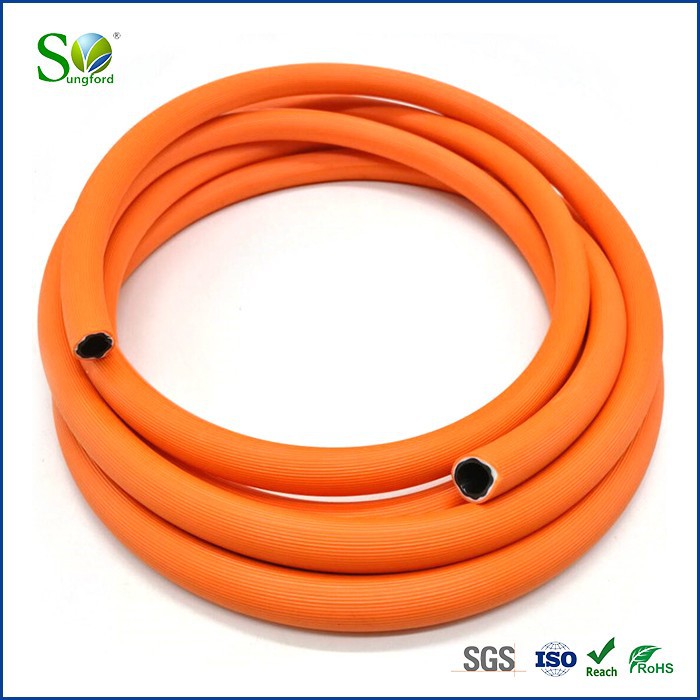
But here's the thing. When it comes to gas hoses, safety is of the utmost importance. Gas leaks can be extremely dangerous, leading to fires, explosions, or even health issues due to inhalation of toxic gases. So, if the damage to the PVC gas hose is more than just a minor surface crack, it's usually not recommended to attempt a repair.
For example, if the hose has a large tear, a hole, or if the damage affects the inner lining of the hose, it's better to replace the hose altogether. A damaged inner lining can compromise the integrity of the gas flow and increase the risk of a leak. Our Natural LPG Gas Hose is a great replacement option as it's designed to handle natural LPG gas safely and efficiently.
Even if you do manage to repair a damaged hose, it's crucial to have it inspected by a professional. They can determine if the repair is sufficient and if the hose is still safe to use. A professional inspection can also identify any potential issues that might not be visible to the untrained eye.
It's also important to follow the manufacturer's guidelines when it comes to repairs. Some manufacturers explicitly state that their PVC gas hoses should not be repaired and should be replaced if damaged. This is because they've conducted tests and know the limitations of their products.
In a home setting, if you notice any signs of damage to your PVC gas hose, don't try to fix it on your own unless you're absolutely sure it's a minor issue. Instead, turn off the gas supply immediately and contact a qualified technician. They have the expertise and tools to handle the situation safely.
In an industrial setting, the stakes are even higher. Industrial gas systems often operate at higher pressures and with larger volumes of gas. A damaged PVC gas hose in an industrial environment can have catastrophic consequences. So, strict safety protocols should be followed, and any damaged hoses should be replaced promptly.
As a PVC gas hose supplier, I always recommend regular inspections of your hoses. Check for any signs of damage, such as cracks, bulges, or discoloration. By catching potential problems early, you can avoid more serious issues down the line.
So, to sum it up, while minor damage to a PVC gas hose can sometimes be repaired using tape or adhesive, these are usually temporary solutions. For more significant damage, replacement is the safest option. Safety should always be your top priority when dealing with gas hoses.
If you're in the market for high - quality PVC gas hoses or need advice on hose maintenance and safety, don't hesitate to reach out. We're here to help you make the right choices for your gas transfer needs. Whether it's for your home or your business, we've got the products and expertise to support you. Contact us today to start a conversation about your PVC gas hose requirements.
References
- General knowledge about PVC gas hoses from industry experience
- Safety guidelines from gas hose manufacturers