

Are there different colors for gas hoses? What do they mean?
As a gas hose supplier, I often encounter customers who are curious about the various colors of gas hoses and what they signify. In this blog post, I'll delve into the topic, shedding light on the reasons behind the color - coding of gas hoses and what each color typically represents.
The Importance of Color - Coding
Color - coding in the gas hose industry serves a crucial purpose. It's a simple yet effective way to quickly identify the type of gas a hose is designed to handle, its intended application, and sometimes even its safety features. This visual cue helps installers, users, and inspectors make informed decisions, reducing the risk of using the wrong hose for a particular gas, which could lead to dangerous situations such as gas leaks, fires, or explosions.
Common Colors and Their Meanings
Black Gas Hoses
Black gas hoses are quite common and are often used for general - purpose applications. They are typically designed to handle natural gas. Natural gas is a widely used fuel for heating, cooking, and powering various appliances in homes and industries. Black hoses are known for their durability and resistance to abrasion. They are suitable for both indoor and outdoor use, as long as they are properly installed and maintained. For instance, if you're connecting a natural gas - powered stove in your kitchen, a black gas hose might be the go - to option. These hoses are usually made from materials that can withstand the pressure and chemical properties of natural gas.
Red Gas Hoses
Red gas hoses are commonly associated with propane gas. Propane is a popular fuel for outdoor grills, heaters, and some industrial applications. Red is a highly visible color, which makes it easy to distinguish propane hoses from those used for other gases. Propane has different properties compared to natural gas, such as a higher energy density and different pressure requirements. Red gas hoses are designed to handle these specific characteristics of propane. They are often reinforced to withstand the higher pressures associated with propane systems. For example, when you're setting up a propane - powered patio heater, a red gas hose is the appropriate choice to ensure safe and efficient operation.
Blue Gas Hoses
Blue gas hoses are often used for liquefied petroleum gas (LPG). LPG is a mixture of propane and butane and is commonly used in both residential and commercial settings. Blue hoses are engineered to handle the unique properties of LPG, including its vaporization characteristics and pressure levels. They are typically made from materials that are resistant to the solvents and chemicals present in LPG. In many countries, blue is the standard color for LPG hoses, which helps in standardizing the installation and use of LPG systems. For example, in a commercial kitchen that uses LPG - powered equipment, blue gas hoses are used to connect the appliances to the LPG supply.
Yellow Gas Hoses
Yellow gas hoses are sometimes used for special - purpose applications or for gases with specific safety requirements. For example, some yellow hoses are designed for use with high - pressure gases or gases that require additional safety features. These hoses may have enhanced reinforcement or special coatings to prevent leaks and ensure safe operation. Yellow is a color that stands out, alerting users to the fact that there may be additional safety considerations when using these hoses. In industrial settings where high - pressure gas systems are in place, yellow gas hoses might be used to connect various components.

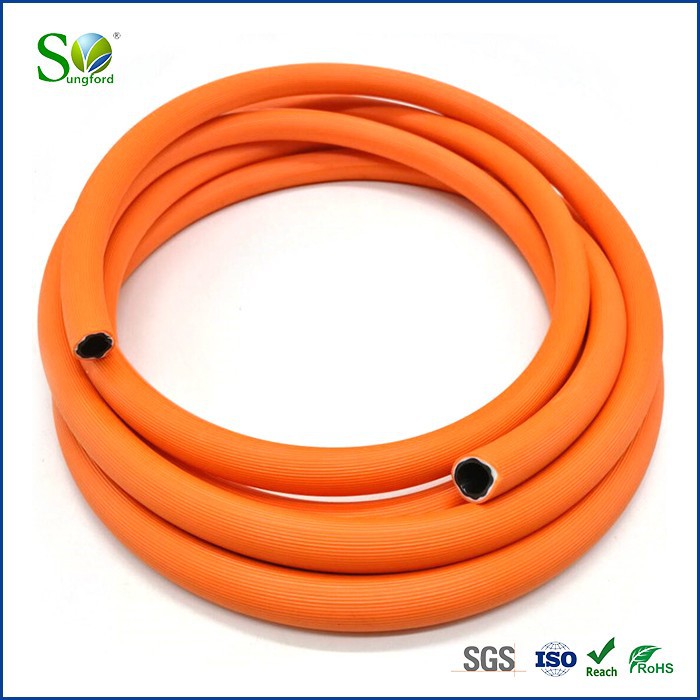
Other Factors Affecting Hose Selection
While color is an important factor in selecting a gas hose, it's not the only one. Other considerations include the length of the hose, the diameter, the pressure rating, and the quality of the materials used. For example, a longer hose may require a larger diameter to ensure proper gas flow without excessive pressure drop. The pressure rating of the hose must match the pressure of the gas system it's being used with. Using a hose with a lower pressure rating than required can lead to hose failure and gas leaks.
Our Gas Hose Products
At our company, we offer a wide range of gas hoses to meet different customer needs. Our Natural LPG Gas Hose is designed to handle both natural gas and LPG safely and efficiently. It is made from high - quality materials that are resistant to wear, tear, and chemical damage. The hose is available in different lengths and diameters to suit various applications.
Our PVC Gas Hose is another popular option. PVC hoses are lightweight, flexible, and cost - effective. They are suitable for a variety of gas applications, including residential and commercial use. Our PVC gas hoses are manufactured to meet strict quality standards, ensuring reliable performance and long - term durability.
Quality Assurance
We understand the importance of safety when it comes to gas hoses. That's why all our products undergo rigorous testing before they reach the market. We test for factors such as pressure resistance, leak prevention, and chemical compatibility. Our hoses are also compliant with relevant industry standards and regulations, giving our customers peace of mind knowing that they are using a safe and reliable product.
Contact Us for Procurement
If you're in the market for gas hoses, whether for a residential, commercial, or industrial application, we're here to help. Our team of experts can assist you in selecting the right hose for your specific needs. We offer competitive pricing, high - quality products, and excellent customer service. Don't hesitate to reach out to us to discuss your requirements and start the procurement process. We're committed to providing you with the best gas hose solutions to ensure the safety and efficiency of your gas systems.
References
- "Gas Hose Safety Standards and Guidelines" - Industry publication on gas hose safety.
- "Properties of Different Gases and Their Impact on Hose Selection" - Technical report on gas characteristics and hose design.
- "Color - Coding in the Gas Industry" - Research paper on the importance of color - coding in gas systems.