

As a supplier of PVC gas hoses, I've encountered numerous non - professionals who are contemplating installing these hoses on their own. A common question that arises time and time again is whether PVC gas hoses are easy to install for non - professionals. In this blog, I'll delve into this topic, weighing the pros and cons, and providing some practical insights to help you make an informed decision.
Understanding PVC Gas Hoses
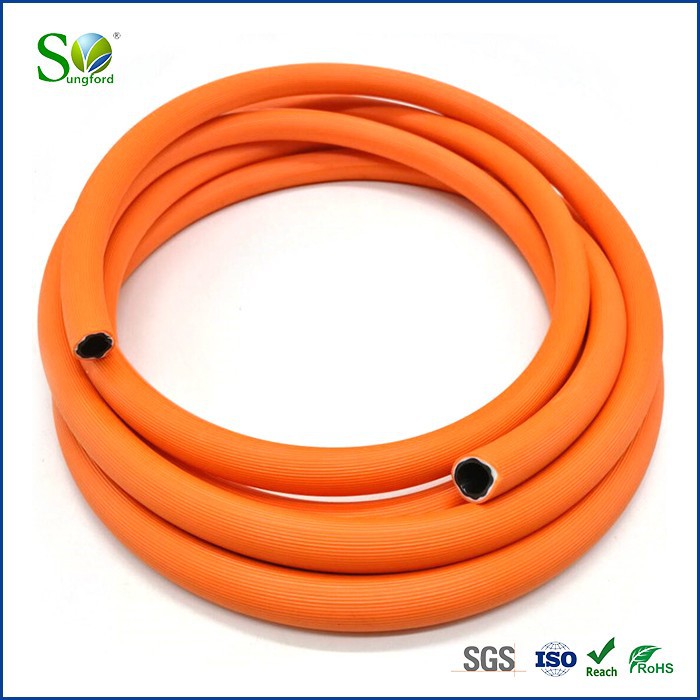
Before assessing the installation process, it's essential to understand what PVC gas hoses are. PVC, or polyvinyl chloride, is a synthetic plastic polymer. PVC gas hoses are designed to convey gas safely from a source to an appliance. They are known for their flexibility, durability, and affordability. Our PVC Gas Hose range is crafted with high - quality PVC materials, ensuring reliable performance and long - term use.
Advantages of PVC Gas Hoses for Non - Professional Installation
Flexibility
One of the significant advantages of PVC gas hoses is their flexibility. Unlike rigid metal pipes, PVC hoses can be easily bent and maneuvered around obstacles. This makes it easier for non - professionals to route the hose according to the layout of their gas system. For example, if you need to connect a gas stove in a kitchen with limited space, a flexible PVC hose can be bent to fit the available area without the need for complex cutting and fitting as you would with metal pipes.
Lightweight
PVC gas hoses are lightweight, which simplifies the handling process during installation. Non - professionals can easily carry and position the hoses without much physical exertion. This is particularly beneficial when installing the hose in hard - to - reach areas, as it reduces the risk of injury compared to heavier metal alternatives.
Ease of Cutting
When installing a PVC gas hose, you may need to cut it to the appropriate length. PVC is relatively easy to cut using common tools such as a sharp utility knife or a pair of hose cutters. This allows non - professionals to make adjustments on - site without the need for specialized cutting equipment.
Challenges Faced by Non - Professionals During Installation
Knowledge of Gas Safety Regulations
Installing a gas hose is not just about connecting the parts; it also involves ensuring compliance with gas safety regulations. Non - professionals may not be fully aware of these regulations, which vary from region to region. For example, there are specific requirements regarding the length of the hose, the types of connectors to be used, and the proper ventilation in the area where the gas is being used. Failure to comply with these regulations can pose serious safety risks, including gas leaks, explosions, and carbon monoxide poisoning.
Proper Connection Techniques
Making a proper connection between the gas hose and the gas source or the appliance is crucial for safety. Non - professionals may struggle with ensuring a tight and secure connection. Incorrect connections can lead to gas leaks, which are not only dangerous but can also result in wasted gas. For instance, over - tightening or under - tightening the fittings can cause the hose to either burst or leak.
Detection of Potential Issues
Non - professionals may have difficulty detecting potential issues during the installation process. For example, they may not be able to identify a kink in the hose that could restrict gas flow or a damaged section of the hose that could lead to a leak in the future. In contrast, professional installers have the experience and tools to conduct thorough inspections and identify such problems before they become major safety hazards.
Tips for Non - Professional Installation
Research Local Regulations
Before starting the installation, it's essential to research the local gas safety regulations. You can visit the official websites of your local gas authority or regulatory body to obtain the necessary information. This will ensure that your installation is legal and safe.
Use the Right Tools
Invest in the right tools for the installation. This includes a sharp utility knife or hose cutters for cutting the hose, and appropriate wrenches for tightening the fittings. Using the correct tools will make the installation process easier and more secure.
Inspect the Hose Thoroughly
Before installation, carefully inspect the PVC gas hose for any signs of damage, such as cuts, abrasions, or kinks. If you find any damage, do not use the hose. Instead, contact your supplier, like us, to get a replacement. Our Natural LPG Gas Hose is inspected for quality before leaving the factory, but it's still a good practice to double - check.

Test the Connection
Once the installation is complete, it's crucial to test the connection for leaks. You can use a simple soap - and - water solution to check for leaks. Apply the solution to all the connections, and if you see bubbles forming, it indicates a leak. In such a case, tighten the fittings or replace any faulty parts.
When to Seek Professional Help
While it is possible for non - professionals to install PVC gas hoses, there are situations where it is advisable to seek professional help. If you are unsure about any aspect of the installation, such as the compliance with regulations or the proper connection techniques, it's best to hire a qualified gas fitter. Additionally, if you are installing the hose in a complex or high - risk environment, such as a commercial kitchen or a large industrial facility, professional installation is highly recommended.
Conclusion
In conclusion, PVC gas hoses have some features that make them relatively accessible for non - professional installation, such as flexibility, lightweight, and ease of cutting. However, non - professionals also face challenges, mainly related to gas safety regulations and proper installation techniques. With proper research, the right tools, and careful inspection, non - professionals can successfully install PVC gas hoses. But when in doubt, it's always better to call in a professional.
If you are considering purchasing PVC gas hoses for your project, we are here to help. We offer a wide range of high - quality PVC gas hoses, including our Natural LPG Gas Hose and PVC Gas Hose. Our products are designed to meet the highest safety standards and provide reliable performance. Contact us to discuss your requirements and start a procurement negotiation.
References
- Local gas safety regulations from relevant authorities.
- Industry standards for PVC gas hoses.